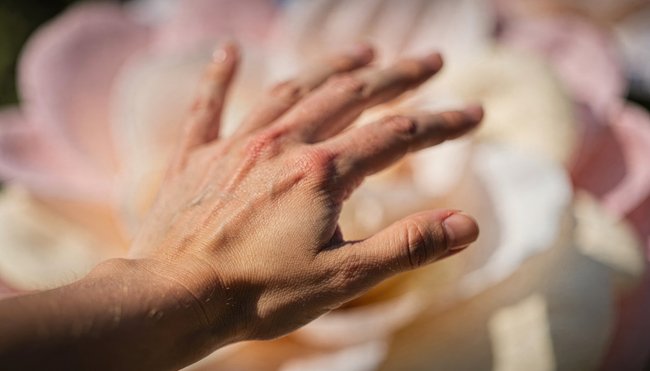
Poor Circulation in Hands: Symptoms, Causes, and Ways to Improve Blood Flow
Do your hands often feel cold, numb, tingly, or weak? While occasional symptoms may simply be caused by cold weather or sleeping in an awkward position, persistent circulation problems can affect comfort, dexterity, and overall hand health.
Your hands rely on a steady supply of oxygen-rich blood to function properly. When circulation slows, tissues may not receive the oxygen and nutrients they need, leading to uncomfortable symptoms that range from mild tingling to ongoing numbness and weakness.
The good news is that many circulation problems can be improved through lifestyle changes, exercise, nutrition, and addressing underlying health conditions.
What You’ll Find in This Article
In this article you’ll learn:
- Common symptoms of poor circulation in the hands
- Why healthy blood flow is important for hand function
- Conditions that may contribute to circulation problems
- The difference between circulation issues and nerve problems
- Natural ways to improve circulation and oxygen delivery
- When hand symptoms may require medical evaluation
Why Good Circulation Matters
Every cell in your hands depends on oxygen and nutrients carried through the bloodstream. Healthy circulation allows muscles, nerves, tendons, and skin to function properly while removing waste products from tissues.
When blood flow becomes restricted or inefficient, the hands are often among the first places where symptoms appear. Because fingers are located at the farthest reaches of the circulatory system, they can be especially sensitive to circulation problems.
For many people, cold fingers or occasional tingling may simply be an annoyance. For others, persistent symptoms can interfere with daily activities such as writing, gardening, cooking, typing, or gripping objects.
Common Symptoms of Poor Circulation in Hands
Poor circulation can produce a variety of symptoms, including:
Cold Hands and Fingers
One of the most common signs is hands that remain cold even when the surrounding environment is comfortable.
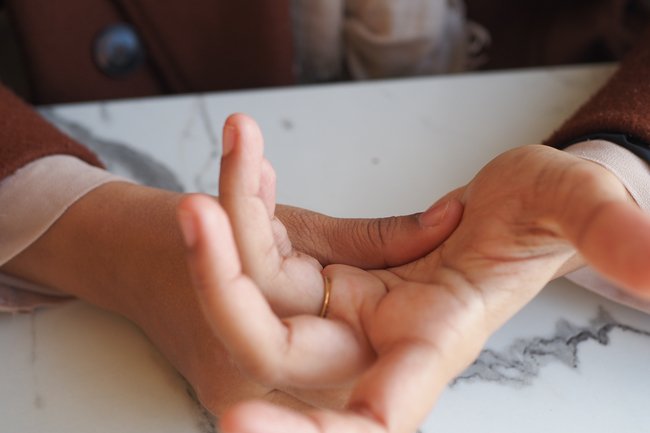
Tingling or “Pins and Needles”
Reduced blood flow may contribute to abnormal sensations that feel like tingling, prickling, or mild burning.
Numbness
Some people experience temporary numbness in their fingers or hands, particularly after prolonged inactivity or exposure to cold temperatures.
Color Changes
Fingers may appear pale, bluish, or unusually red when circulation is impaired.
Weak Grip Strength
When tissues are not receiving adequate oxygen and nutrients, hand strength and coordination may be affected.
Slow Healing
Cuts, scrapes, and minor injuries may take longer to heal when circulation is compromised.
Causes of Poor Circulation in the Hands
Several factors can contribute to reduced blood flow.
Aging and Reduced Circulatory Efficiency
As we age, blood vessels may become less flexible and circulation can become less efficient. This does not happen to everyone, but it is one reason circulation concerns become more common after age 50.
Lack of Physical Activity
Movement helps stimulate circulation. Long periods of sitting can reduce blood flow throughout the body, including the hands and feet.
Peripheral Artery Disease (PAD)
PAD occurs when arteries become narrowed by plaque buildup, reducing blood flow to the extremities.
Diabetes
High blood sugar levels can damage both blood vessels and nerves, contributing to numbness, tingling, and circulation problems.
Smoking
Smoking damages blood vessels and reduces oxygen delivery throughout the body.
Raynaud’s Phenomenon
Raynaud’s causes blood vessels in the fingers to temporarily narrow, often triggered by cold temperatures or stress.
Cardiovascular Conditions
Heart disease, high blood pressure, and other circulatory disorders can affect blood flow to the extremities.
Circulation Problems vs. Nerve Problems
Many people assume numbness or tingling automatically means poor circulation. In reality, nerve compression can cause very similar symptoms.
Conditions such as:
- Carpal tunnel syndrome
- Cervical spine problems
- Pinched nerves in the neck
- Peripheral neuropathy
may produce numbness and tingling even when circulation is normal.
In some cases, both circulation and nerve issues may be contributing to symptoms.
Natural Ways to Improve Poor Circulation in Your Hands
Stay Physically Active
Regular walking remains one of the best ways to improve overall circulation. Even short walks encourage blood flow throughout the body. Don’t forget that rebounding can be a great help.
Use Gentle Hand Exercises
Opening and closing your fists, finger stretches, and grip exercises may help stimulate circulation.
Keep Warm
Wearing gloves in cold weather helps prevent blood vessels from constricting excessively.
Stay Hydrated
Proper hydration supports healthy blood volume and circulation.
Eat Circulation-Friendly Foods
A diet rich in fruits, vegetables, healthy fats, and lean proteins supports cardiovascular health and blood vessel function.
Support Healthy Oxygen Delivery
Circulation and oxygen delivery work together. Healthy red blood cells, adequate hydration, good nutrition, and regular movement all contribute to getting oxygen where it is needed most.
Avoid Smoking
Smoking can significantly impair circulation and oxygen delivery throughout the body.
When to Seek Medical Attention
Occasional cold hands are usually not cause for concern. However, you should contact a healthcare professional if you experience:
- Persistent numbness
- Increasing weakness
- Severe pain
- Significant color changes
- Non-healing wounds
- Symptoms that suddenly appear or worsen
A proper evaluation can help determine whether circulation, nerve function, or another medical condition is contributing to your symptoms.
Conclusion
Poor circulation in the hands can lead to cold fingers, tingling, numbness, and decreased hand function. While aging and inactivity can contribute to circulation problems, other conditions such as diabetes, Raynaud’s phenomenon, cardiovascular disease, and nerve compression may also play a role.
The encouraging news is that many people can support healthier circulation through regular activity, proper nutrition, hydration, and lifestyle habits that promote healthy blood flow and oxygen delivery throughout the body.
About the Author
Pamela M. Rumley, ND is a Doctor of Naturopathy and natural health educator who writes about circulation, nutrition, oxygen delivery, and practical wellness strategies. She previously operated a natural health clinic where she worked directly with clients and studied techniques such as darkfield microscopy to observe live blood samples. Today she focuses on research, writing, and education to help readers better understand how the body works and how lifestyle choices can support long-term wellness.
Credentials
Doctor of Naturopathy – Trinity School of Natural Health • Master Herbalist – Dr. Christopher School of Natural Healing • Certified Natural Health Professional – National Association of Certified Natural Health Professionals • Former Natural Health Clinic Practitioner • Training in Darkfield Microscopy and Live Blood Analysis
Learn more at PamRumley.com
FAQ:
What are the first signs of poor circulation in the hands?
Cold fingers, tingling sensations, numbness, and occasional color changes are among the earliest symptoms people notice.
Can poor circulation make my hands feel numb?
Yes. Reduced blood flow may contribute to numbness, although nerve compression and neuropathy can produce similar symptoms.
Why are my hands cold all the time?
Cold hands may be caused by circulation issues, cold temperatures, Raynaud’s phenomenon, low body weight, certain medications, or other health conditions.
Does exercise improve circulation in the hands?
Yes. Regular movement and exercise help improve overall blood flow throughout the body, including the hands and fingers.
Can dehydration affect circulation?
Mild dehydration can reduce blood volume and make circulation less efficient, especially in susceptible individuals.
Is poor circulation common after age 60?
Circulation problems become more common with age because blood vessels may lose some flexibility and underlying health conditions become more prevalent.