Cold Hands and Feet : Causes & Meaning – Circulation May Be the Problem
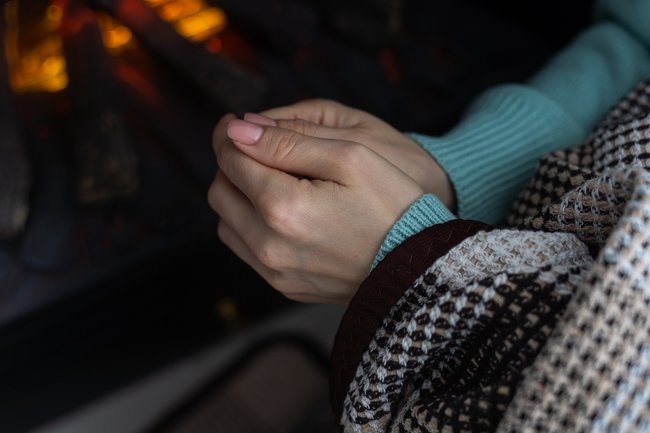
Cold hands and feet are a common complaint, especially during colder months or as people get older. Many people notice their fingers or toes feeling unusually cold even when the rest of the body feels comfortable. In some cases, cold extremities may simply be a reaction to temperature, but in other cases they may point to circulation problems or other health conditions.
Understanding the causes of cold hands and feet can help identify when the symptom is harmless and when it may be worth paying attention to.
What You’ll Find in This Article
In this article you will learn:
-
The most common causes of cold hands and feet
-
What cold hands and feet may mean for circulation
-
Why some people experience cold hands and sweaty feet
-
How circulation and oxygen delivery affect extremities
-
Natural ways to support healthy circulation
-
Why Are My Feet Always Cold?
Cold feet are one of the most common circulation-related symptoms people experience. Because the feet are the farthest point from the heart, they are often the first place where reduced blood flow becomes noticeable.
People who experience persistently cold feet may notice that their toes remain cold even when wearing warm socks or when the rest of the body feels comfortable. In many cases this can be related to circulation changes, low iron levels, thyroid imbalance, or reduced oxygen delivery in the blood.
In some individuals, cold feet may also occur alongside symptoms such as numbness, tingling, or burning sensations in the toes
Signs Your Cold Hands and Feet May Be Related to Circulation
Cold hands and feet are common, but certain symptoms may suggest circulation issues.
You may notice:
• fingers or toes that feel cold even in warm environments
• numbness or tingling in the hands or feet
• pale or bluish skin on fingers or toes
• slow warming after exposure to cold
• fatigue or heaviness in the legs
If these symptoms occur frequently, circulation may be a factor worth exploring.
What Causes Cold Hands and Feet?
Cold hands and feet are usually caused by reduced blood flow to the extremities. When circulation slows, less warm blood reaches the fingers and toes, making them feel cold. Common causes include poor circulation, low iron levels, thyroid imbalance, stress, or sensitivity to cold temperatures.
Some people may also experience cold hands and sweaty feet when the nervous system affects both blood vessels and sweat glands.
Common causes include:
• poor circulation
• anemia
• thyroid imbalance
• stress
• cold sensitivity
Temperature Sensitivity
The body naturally restricts blood flow to the hands and feet when exposed to cold temperatures in order to preserve core body heat. Some people are simply more sensitive to cold environments.
Enjoy my related article: Burning Feet at Night? Causes, Symptoms and More
Circulation Problems
Poor circulation is one of the most common causes of cold extremities. When blood flow is reduced, less oxygen and warmth reach the hands and feet.
Symptoms that may occur along with circulation problems include:
-
numbness or tingling
-
pale or bluish skin
-
cold fingers or toes even in warm environments
-
fatigue in the legs
Cold hands and feet are often one of the earliest signs of poor circulation in the body.

Low Iron Levels
Iron plays an important role in the production of red blood cells, which carry oxygen throughout the body. When iron levels are low, oxygen delivery may be reduced, sometimes contributing to cold hands and feet. Healthy circulation depends on red blood cells delivering oxygen throughout the body.
Thyroid Function
The thyroid helps regulate metabolism and body temperature. When thyroid function is low, the body may produce less heat, which can make the hands and feet feel cold.
Stress and Blood Vessel Constriction
Stress hormones can cause blood vessels to narrow, which may temporarily reduce blood flow to extremities.
Cold Hands and Sweaty Feet
Some people experience an unusual combination of cold hands with sweaty feet or clammy palms. This may occur when the nervous system triggers both blood vessel constriction and sweating.
Possible causes include:
-
stress or anxiety
-
nervous system responses
-
circulation changes
While usually harmless, persistent symptoms should be evaluated by a healthcare professional.
What Do Cold Hands and Feet Mean?
Occasional cold hands and feet are common and often harmless. However, frequent or persistent cold extremities may indicate that blood circulation is not delivering enough warmth and oxygen to the tissues.
Conditions that may contribute include:
-
circulation disorders
-
anemia
-
thyroid imbalance
-
nerve sensitivity
Understanding the meaning of cold hands and feet can help determine when the symptom deserves further attention. As circulation changes with age, oxygen delivery throughout the body may decline.
Natural Ways to Support Circulation
Improving circulation may help reduce cold extremities.
Helpful habits include:
Stay Physically Active
Movement helps stimulate blood flow.
Maintain Healthy Mineral Intake
Minerals like magnesium support muscle and blood vessel function.
Stay Warm
Keeping the core body temperature warm helps maintain circulation to the extremities.
Stretch and Move Regularly
Long periods of sitting may reduce circulation.
Minerals such as magnesium also play a role in supporting healthy circulation.
When to Seek Medical Advice
Cold hands and feet should be evaluated by a healthcare professional if they occur with:
-
severe pain
-
color changes in fingers or toes
-
numbness or loss of sensation
-
wounds that heal slowly
These symptoms may indicate circulation or vascular issues.
Related Article: Why Do My Legs Cramp at Night
About the Author
Pamela M. Rumley, ND is a Doctor of Naturopathy and natural health educator who writes about circulation, nutrition, oxygen delivery, and practical wellness strategies. She previously operated a natural health clinic where she worked directly with clients and studied techniques such as darkfield microscopy to observe live blood samples. Today she focuses on research, writing, and education to help readers better understand how the body works and how lifestyle choices can support long-term wellness.
Credentials
- Doctor of Naturopathy – Trinity School of Natural Health
• Master Herbalist – Dr. Christopher School of Natural Healing
• Certified Natural Health Professional – National Association of Certified Natural Health Professionals
• Former Natural Health Clinic Practitioner
• Training in Darkfield Microscopy and Live Blood Analysis
Learn more at PamRumley.com
As always, please feel free to contact me with questions or comments.
FAQ
Why are my hands and feet always cold?
Cold hands and feet are often caused by reduced blood flow, temperature sensitivity, or circulation issues.
Are cold hands and feet a sign of poor circulation?
They can be. Poor circulation may reduce blood flow to extremities, making them feel cold.
Why do I have cold hands but sweaty feet?
This combination may occur when the nervous system affects both blood vessels and sweat glands.
Can mineral deficiencies cause cold hands and feet?
In some cases, mineral deficiencies affecting circulation or nerve function may contribute to the symptom.