Signs of Low Oxygen in Your Body (And What Oxygen Levels Mean)

When we think about health, we often focus on vitamins, diet, or exercise. But one of the most fundamental factors in how the body functions is something even more basic: oxygen. I’ve listed 15 signs of low oxygen that should be considered.
Every cell in the body depends on oxygen to produce energy and maintain normal function. When oxygen delivery declines, even slightly, the body may begin to show subtle warning signs.
Low oxygen levels in the blood — sometimes referred to as low oxygen saturation — can affect energy levels, circulation, brain function, and overall well-being.
The good news is that the body often provides clues when oxygen levels are not optimal. Learning to recognize these signals can help you better understand what your body may be trying to tell you.
What Oxygen Level Is Considered Low?
Oxygen levels in the blood are commonly measured using a pulse oximeter, a small device placed on the fingertip.
Typical oxygen saturation ranges include:
• 95–100% – considered normal for most healthy individuals
• 90–94% – slightly lower than normal and worth monitoring
• Below 90% – generally considered low oxygen levels and may require medical evaluation
These readings reflect how well red blood cells are carrying oxygen throughout the body.
When oxygen levels fall below optimal levels, tissues may not receive enough oxygen to function efficiently. Over time, this can contribute to fatigue, poor circulation, and other symptoms.
15 Signs Your Body May Be Low in Oxygen
Low oxygen levels do not always cause obvious symptoms at first. In many cases, the body sends subtle signals before more serious problems develop.
Here are some of the most common clues.
1. Persistent Fatigue
One of the most common signs of low oxygen levels is ongoing fatigue.
When cells do not receive adequate oxygen, they cannot produce energy efficiently. As a result, you may feel tired even after getting adequate rest.
2. Brain Fog or Difficulty Concentrating
The brain uses a significant amount of the body’s oxygen supply.
When oxygen delivery declines, some people experience:
• difficulty concentrating
• memory lapses
• mental fatigue
• slower thinking
This is one reason oxygen and circulation play such an important role in brain health after 50.
3. Shortness of Breath – Another Sign of Low Oxygen
Shortness of breath can occur when the body is trying to compensate for reduced oxygen levels.
Even mild activity may leave you feeling winded if oxygen delivery is impaired.
4. Dizziness or Lightheadedness
When the brain temporarily receives less oxygen than it needs, dizziness or lightheadedness may occur.
This may be especially noticeable when standing up quickly or after physical activity.
5. Cold Hands and Feet
Poor oxygen delivery is often linked with circulation problems.
When blood flow slows or oxygen levels decline, the extremities may feel unusually cold.
Cold hands and feet are sometimes an early sign that circulation may not be functioning optimally.
6. Bluish Fingernails or Lips
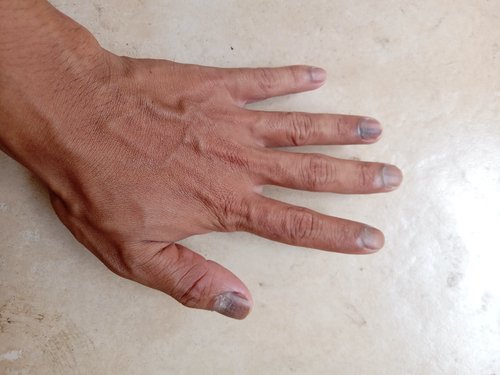
One of the more noticeable signs of low oxygen levels can be a bluish tint to the lips or fingernails.
This condition, sometimes called cyanosis, occurs when blood is carrying less oxygen than normal.
Because fingernails can reflect circulation and oxygen status, changes in nail color can sometimes provide helpful health clues.
7. Rapid Heart Rate – Think ‘Sign of Low Oxygen’
When oxygen levels decline, the body may try to compensate by increasing heart rate.
A faster pulse helps circulate blood more quickly in an effort to deliver more oxygen to tissues.
Over time, this can place extra strain on the cardiovascular system.
8. Headaches
Reduced oxygen delivery to the brain may contribute to headaches in some individuals.
These headaches may be accompanied by fatigue, mental fogginess, or light sensitivity.
9. Poor Physical Endurance
If oxygen delivery is not optimal, physical activity may feel more difficult than usual.
You may notice:
• decreased stamina
• faster fatigue during exercise
• longer recovery times
10. Slow Healing
Oxygen plays a crucial role in tissue repair and regeneration.
When oxygen supply is limited, wounds and injuries may take longer to heal.
11. Pale or Dull Skin Tone
Healthy circulation helps maintain normal skin color.
If oxygen levels are reduced, the skin may appear pale, dull, or slightly grayish in tone.
12. Low Oxygen and Frequent Yawning
Yawning is sometimes the body’s natural attempt to increase oxygen intake.
While occasional yawning is normal, frequent yawning may occur when the body is trying to compensate for reduced oxygen availability.
13. Weakness or Low Energy
Low oxygen levels can interfere with the body’s ability to produce cellular energy.
This may result in generalized weakness or a persistent feeling of low energy.
14. Sleep Disturbances
Some individuals experience drops in oxygen levels during sleep.
Conditions such as sleep apnea can lead to low oxygen during sleep, which may contribute to:
• restless sleep
• nighttime awakenings
• morning fatigue
Poor nighttime oxygen levels may also affect overall energy and mental clarity during the day.
15. Poor Circulation
Low oxygen and poor circulation often go hand in hand.
Signs of circulation problems may include:
• cold extremities
• numbness or tingling
• slow wound healing
• fatigue during activity
Healthy blood flow is essential for delivering oxygen to every part of the body.
Why Oxygen Delivery Matters
Oxygen is transported throughout the body by red blood cells.
These cells bind oxygen in the lungs and carry it through the bloodstream to tissues and organs.
When oxygen delivery declines — whether due to circulation issues, reduced red blood cell function, or respiratory problems — the body may struggle to maintain optimal energy production and cellular repair.
That is why maintaining healthy oxygen levels is so important for overall wellness.
Supporting Healthy Oxygen and Circulation
While medical conditions that affect oxygen levels should always be evaluated by a healthcare professional, several lifestyle habits can help support healthy oxygen delivery.
These include:
• maintaining good circulation through regular movement
• supporting healthy red blood cell function through proper nutrition
• practicing deep breathing exercises
• spending time outdoors in fresh air
• staying physically active
Simple habits that improve circulation and breathing can help the body deliver oxygen more efficiently.
Final Thoughts on Signs of Low Oxygen
Oxygen is essential for every cell in the body.
When oxygen levels decline, the body often provides early signals that something may not be functioning optimally.
Symptoms such as fatigue, brain fog, cold hands and feet, and poor endurance may all reflect changes in oxygen delivery.
By paying attention to these clues and supporting healthy circulation and breathing habits, you can help your body maintain the oxygen supply it needs for optimal health.
If you have experienced signs that may be related to low oxygen levels, it may be helpful to explore how circulation, red blood cell health, and overall lifestyle habits influence oxygen delivery throughout the body.
As always, please feel free to contact me with questions or comments.
Pam Rumley, N.D., studied natural health through Dr. Christopher’s School of Natural Healing and focuses on practical home-based wellness strategies.