Rebounding Benefits for the Lymphatic System, Circulation, and Healthy Aging
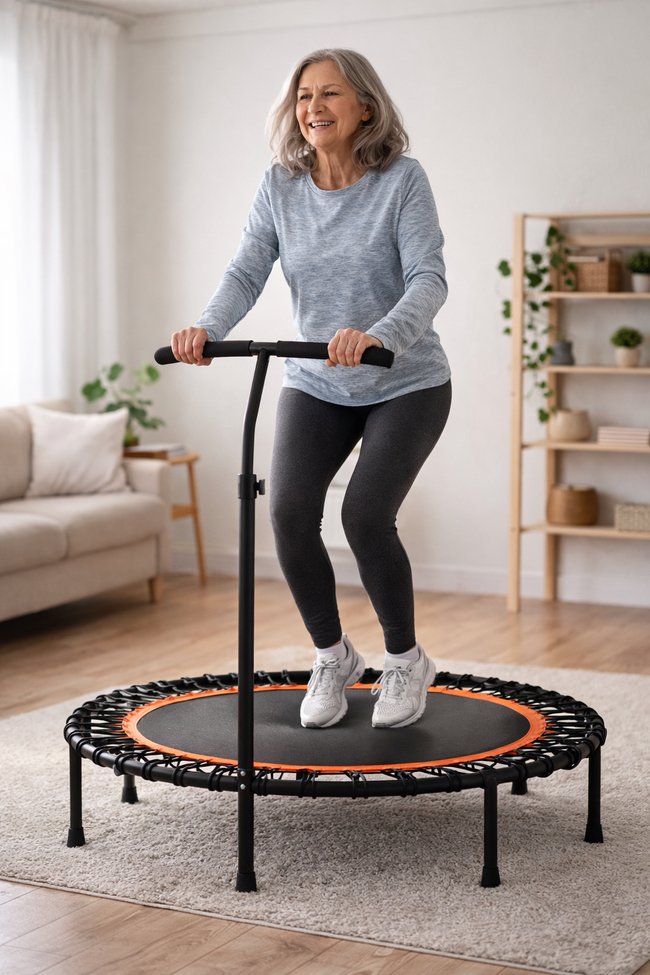
Rebounding is a simple form of exercise performed on a small trampoline, often called a mini rebounder. The movement involves gentle bouncing that lifts the body slightly off the surface and allows gravity to assist circulation throughout the body.
In recent years, it has gained popularity as a low-impact activity that may support the lymphatic system, circulation, balance, and overall fitness. Because the motion is gentle and controlled, many adults and seniors find it to be an enjoyable way to stay active without placing heavy stress on joints.
Understanding how it works and its potential benefits can help determine whether it might be a helpful addition to a daily health routine. Gentle movement such as rebounding may help support healthy circulation, especially for people who spend long hours sitting.
What You’ll Find in This Article
In this article you’ll learn:
-
What rebounding exercise is and how it works
-
How it may support the lymphatic system and lymphatic drainage
-
Potential health benefits of using a mini trampoline for exercise
-
Simple exercises for beginners
-
Whether rebounding may support weight management and circulation
-
Safety considerations for adults and seniors starting this therapy
What Is Rebounding?
Rebounding refers to light bouncing exercises performed on a mini trampoline. Unlike large recreational trampolines, rebounders are designed for controlled, low-impact movement.
The bouncing motion creates alternating periods of increased and decreased gravitational force, which gently stimulates muscles, circulation, and the lymphatic system.
Many people practice rebounding for only a few minutes at a time, gradually increasing the duration as their body adapts.
Rebounding and the Lymphatic System
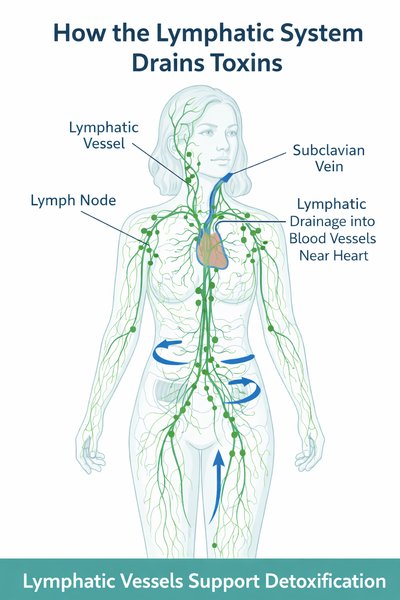
One of the most frequently discussed benefits of rebounding involves its relationship to the lymphatic system.
The lymphatic system helps remove cellular waste and supports immune function. Unlike the circulatory system, the lymphatic system does not have a central pump like the heart. Instead, lymph movement depends largely on body movement and muscle contractions.
The gentle up-and-down motion may help encourage lymphatic drainage by stimulating lymph flow throughout the body.
Because of this, it is sometimes recommended as part of natural wellness routines aimed at supporting lymphatic health.
Trampoline Rebounding Benefits
Rebounding on a mini trampoline offers several potential benefits that make it appealing to many adults looking for a simple home exercise.
Low-Impact Exercise
Rebounding is gentle on the joints compared to many traditional workouts. The flexible surface absorbs impact, making the exercise easier on knees and hips.
Circulation Support
The rhythmic bouncing movement may help encourage circulation and oxygen delivery throughout the body. Poor circulation can sometimes lead to symptoms such as cold hands and feet.
Balance and Coordination
Maintaining balance while bouncing can help strengthen stabilizing muscles and improve coordination.
Energy and Metabolism
Even light bouncing engages multiple muscle groups and can increase heart rate, supporting cardiovascular activity.
Convenience
Rebounders are compact and often used at home, making it easier to stay consistent with short exercise sessions.
Rebounding Exercises for Beginners
People new to rebounding usually begin with simple movements before progressing to more active exercises.
The Health Bounce
This is the most basic movement. Instead of jumping high, the feet remain in contact with the trampoline while the body gently bounces up and down.
Gentle Jogging Bounce
This movement mimics slow jogging while staying centered on the rebounder.
Basic Balance Bounce
Standing upright and bouncing lightly helps develop coordination and stability.
Beginners often start with 1–3 minutes and gradually increase their time as their body adjusts.
Is Rebounding Good for Weight Loss?
Rebounding may support weight management when combined with balanced nutrition and consistent physical activity.
Because the exercise engages multiple muscle groups and increases heart rate, rebounding can contribute to calorie expenditure and improved metabolism.
However, rebounding should be viewed as part of a broader healthy lifestyle, rather than a single solution for weight loss.
Rebounding Therapy for Adults and Seniors
Many adults appreciate this exercise because it provides a gentle alternative to high-impact workouts.
For seniors especially, it can offer:
-
light cardiovascular activity
-
improved balance and coordination
-
a convenient home exercise option
When beginning, it is often recommended to start slowly and use a rebounder with a stability bar or support handle if additional balance support is needed.
Choosing a Mini Trampoline for Rebounding
If you’re considering exercising at home, there are several features to look for when selecting a rebounder.
Important factors include:
-
sturdy frame construction
-
non-slip surface
-
adequate weight capacity
-
optional balance support bars
Mini trampolines designed specifically for exercise are generally more stable and durable than recreational models.
As always, please contact me with questions or comments.
About the Author
Pamela M. Rumley, ND is a Doctor of Naturopathy and natural health educator who writes about circulation, nutrition, oxygen delivery, and practical wellness strategies. She previously operated a natural health clinic where she worked directly with clients and studied techniques such as darkfield microscopy to observe live blood samples. Today she focuses on research, writing, and education to help readers better understand how the body works and how lifestyle choices can support long-term wellness.
Credentials
- Doctor of Naturopathy – Trinity School of Natural Health
• Master Herbalist – Dr. Christopher School of Natural Healing
• Certified Natural Health Professional – National Association of Certified Natural Health Professionals
• Former Natural Health Clinic Practitioner
• Training in Darkfield Microscopy and Live Blood Analysis
Learn more at PamRumley.com
FAQ
What is rebounding exercise?
It is a form of exercise performed on a mini trampoline using gentle bouncing movements that stimulate muscles, circulation, and balance. Healthy circulation allows red blood cells to deliver oxygen throughout the body.
Is it good for the lymphatic system?
The bouncing motion may help encourage lymph movement and lymphatic drainage because lymph flow relies on body movement rather than a central pump.
Can beginners do rebounding?
Yes. Most beginners start with gentle bouncing movements such as the health bounce and gradually increase the intensity over time.
How long should you rebound each day?
Many people begin with just a few minutes per day and slowly build toward longer sessions as their endurance improves.
Is rebounding safe for seniors?
It can be a low-impact exercise option for many older adults, especially when performed carefully and with balance support if needed.
Related Articles:
About the Author
Pam Rumley is a Doctor of Naturopathy and Master Herbalist who writes about natural health, circulation, nutrition, and healthy aging. Her work focuses on helping readers understand how simple lifestyle choices may support the body’s natural systems, including circulation and lymphatic health.