Why Do I Have Numb Toes? Causes, Circulation Problems, and Natural Ways to Improve Blood Flow

Few sensations are as strange as realizing that one or more of your toes have suddenly gone numb. Sometimes it feels like pins and needles. Other times the toes may feel cold, tingly, or simply “asleep.”
Occasional numbness can happen when you sit in an awkward position or wear tight shoes that compress the nerves in your feet. However, when numb toes occur frequently — especially at night or while walking — it may signal a deeper issue involving circulation, nerve health, or nutrient balance.
Because the feet are the farthest point from the heart, they are often the first place where circulation or nerve problems begin to show up. Understanding the possible causes of numb toes can help you determine whether the problem is temporary or something that deserves closer attention.
What You’ll Find About Numb Toes in This Article
In this article we’ll explore:
• the most common causes of numb toes
• why the great toe or little toe sometimes goes numb
• why toes may become numb at night
• what it means when toes go numb while walking
• natural ways to improve circulation and nerve function
Understanding these patterns can help you recognize whether numbness is simply a temporary irritation or a sign that your body needs more support.
When oxygen delivery slows in the smallest blood vessels, the toes may be one of the first areas where numbness begins to appear.
Key Takeaways
• Numb toes are often related to poor circulation or nerve compression.
• The great toe and little toe are especially prone to numbness because of nerve pathways in the foot.
• Numb toes at night may be related to circulation changes or nerve pressure while lying down.
• Tight footwear, dehydration, and inflammation can contribute to reduced blood flow in the feet.
• Improving circulation through movement, hydration, and nutrition may help reduce numbness.
Common Causes of Numb Toes
Numbness occurs when the nerves that carry sensation from the toes to the brain are disrupted. This can happen when blood flow decreases or when nerves become compressed or irritated.
Some of the most common causes include:
Poor Circulation
Reduced blood flow to the feet can limit oxygen and nutrient delivery to the nerves and tissues. When circulation slows, the toes may feel cold, numb, or tingly.
Circulation issues are more likely to appear in the feet because they are the farthest distance from the heart.
Nerve Compression
Nerves that supply the toes travel through the foot, ankle, and lower back. Pressure anywhere along this pathway can create numbness.
Common causes include:
• tight shoes
• prolonged sitting
• nerve irritation in the foot
• spinal nerve compression
Tight Footwear
Shoes that squeeze the toes can compress nerves and restrict blood flow.
This is particularly common with:
• narrow shoes
• high heels
• shoes with stiff toe boxes
Over time, repeated pressure can irritate the nerves supplying the toes.
Vitamin Deficiencies
Certain vitamins are essential for nerve health. When levels become too low, nerve signaling may become impaired.
The most common deficiencies linked to numbness include:
• vitamin B12
• vitamin B6
• magnesium
Some cases of tingling or numbness may also be connected to magnesium deficiency, since this mineral plays an important role in nerve function and circulation.
Blood Sugar Imbalance
Persistently elevated blood sugar levels can damage small nerves in the feet over time. This type of nerve irritation often begins with tingling or numbness in the toes.
Why the Great Toe or Little Toe Goes Numb
Many people notice numbness affecting a specific toe rather than the entire foot.
Each toe is connected to different nerve branches, so numbness in a particular toe can sometimes point toward a specific nerve pathway.
For example:
Numb great toe
This may occur due to pressure on nerves that travel across the top of the foot or through the ankle.
Numb little toe
Numbness in the little toe often relates to pressure along the outer edge of the foot or irritation of nerves that travel along that side of the foot.
Localized numbness is often caused by mechanical pressure or footwear issues.
Numb Toes at Night
Many people notice that their toes become numb while lying in bed.
Several factors may contribute to this:
• reduced circulation during long periods of stillness
• pressure on nerves in the lower back or hips
• tight bedding restricting blood flow
• shifts in blood sugar levels overnight
If numbness frequently occurs at night, improving circulation during the day may help reduce symptoms.
Why Toes Go Numb When Walking
If numbness occurs primarily while walking, the cause is often related to pressure within the foot.
Common possibilities include:
• tight shoes
• nerve irritation between the toes
• structural foot issues
• reduced circulation during activity
If the numbness disappears when you remove your shoes or rest your feet, footwear pressure may be the cause.
Natural Ways to Improve Circulation to the Toes
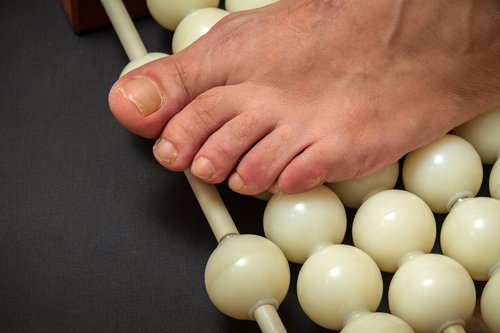
Gentle foot massage or a simple foot roller can help stimulate circulation in the feet, especially when numbness or tingling occurs after sitting for long periods.
Healthy circulation helps ensure that nerves and tissues receive oxygen and nutrients.
Numbness in the toes is often one of the earliest symptoms people notice when circulation begins to slow.
Several simple lifestyle strategies can help support blood flow.
Regular Movement
Movement acts like a pump for circulation. Activities such as walking, stretching, and gentle exercise encourage blood flow into the lower legs and feet.
Even short periods of movement throughout the day can improve circulation.
Hydration
Blood is largely composed of water. When dehydration occurs, circulation may become less efficient.
Drinking adequate water throughout the day supports healthy blood flow.
Magnesium
Magnesium helps regulate muscle relaxation and blood vessel function. Low magnesium levels may contribute to tight blood vessels and poor circulation.
Magnesium-rich foods include:
• leafy greens
• nuts and seeds
• avocados
• legumes
Warm Foot Soaks
Warm water helps dilate blood vessels and improve circulation. A warm foot soak can help relax muscles and encourage blood flow to the feet.
Adding Epsom salt provides additional magnesium.
When Numb Toes Should Be Checked by a Doctor
Occasional numbness is usually harmless. However, medical evaluation may be helpful if numb toes:
• persist for weeks
• worsen over time
• occur with severe pain
• interfere with walking or balance
• appear with slow-healing wounds
Persistent numbness may indicate underlying nerve or circulation issues that deserve attention.
The Bottom Line
Numb toes are often the body’s way of signaling that something is affecting circulation or nerve function.
In many cases the cause is temporary, such as tight footwear or sitting in one position too long. However, frequent numbness can also point to issues involving circulation, nerve health, or nutrient balance.
Supporting healthy blood flow, staying active, and maintaining good nutritional status can often help restore normal sensation in the feet.
In live blood analysis using darkfield microscopy, practitioners can sometimes observe patterns such as rouleaux formation that may influence circulation.
As always, please feel free to contact me with questions or comments.
About the Author
Pamela M. Rumley, ND is a Doctor of Naturopathy and natural health educator who writes about circulation, nutrition, oxygen delivery, and practical wellness strategies. She previously operated a natural health clinic where she worked directly with clients and studied techniques such as darkfield microscopy to observe live blood samples. Today she focuses on research, writing, and education to help readers better understand how the body works and how lifestyle choices can support long-term wellness.
Credentials
- Doctor of Naturopathy – Trinity School of Natural Health
• Master Herbalist – Dr. Christopher School of Natural Healing
• Certified Natural Health Professional – National Association of Certified Natural Health Professionals
• Former Natural Health Clinic Practitioner
• Training in Darkfield Microscopy and Live Blood Analysis
Learn more at PamRumley.com