Chronic Inflammation in the Body: Causes, Symptoms, and Natural Ways to Reduce It
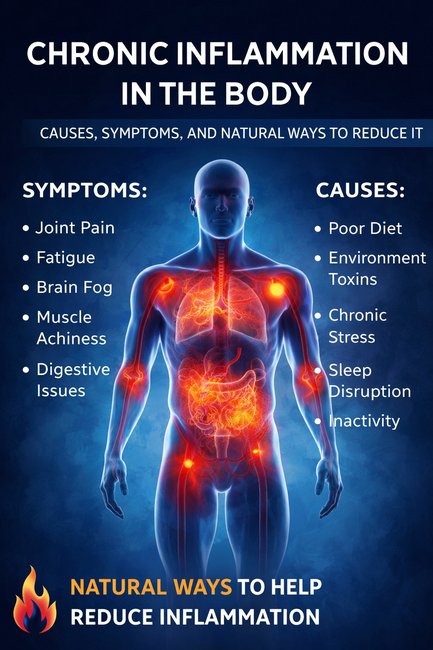
Chronic inflammation is the body’s natural response to injury or infection. When something irritates or harms the body, the immune system sends signals to protect and repair the affected area. In the short term, this response is helpful and necessary for healing.
However, when inflammation becomes chronic, it can quietly affect many systems in the body. Persistent inflammation has been linked to fatigue, joint discomfort, circulation problems, and even long-term health conditions. You may also be interested in how DMSO works in the body, especially in relation to how it interacts with inflammation and tissue.
Many people experience symptoms of inflammation without realizing what may be causing them. Understanding the signs of inflammation and the factors that contribute to it can help people make informed choices to support better overall health.
Certain nutrients may help support the body’s inflammatory balance. For example, compounds such as turmeric’s active ingredient have been widely studied for their potential benefits. You can learn more in this article about curcumin and its health-supporting properties.
What You’ll Learn in This Article
In this article you will learn:
• What inflammation is and why it occurs
• The difference between acute and chronic inflammation
• Common symptoms of inflammation in the body
• Factors that may contribute to ongoing inflammation
• Natural lifestyle habits that may help support the body’s healing process
What Is Inflammation?
Inflammation is a protective response from the immune system. When tissues are injured, irritated, or exposed to infection, the body releases chemical signals that increase blood flow to the affected area.
This process allows immune cells and nutrients to reach the site of injury more quickly. Inflammation may cause visible symptoms such as redness, swelling, warmth, or discomfort.
In the case of short-term injuries, inflammation usually resolves once healing has occurred.
Acute vs. Chronic Inflammation
Acute Inflammation
Acute inflammation occurs suddenly and typically lasts for a short time.
Examples include:
-
cuts and scrapes
-
sprains or muscle injuries
-
infections
-
temporary swelling after trauma
Once the body repairs the affected tissue, inflammation usually subsides.
Chronic Inflammation
Chronic inflammation develops when the inflammatory response remains active for long periods of time.
Instead of helping the body heal, ongoing inflammation can gradually affect tissues and organs throughout the body.
Low-grade chronic inflammation is often less obvious than acute inflammation, but it may contribute to fatigue, circulation problems, joint discomfort, and other symptoms.
Common Symptoms of Chronic Inflammation

The signs of inflammation can vary depending on where it occurs in the body. Some of the more common symptoms include:
-
joint pain or stiffness
-
muscle soreness
-
fatigue
-
headaches
-
digestive discomfort
-
skin irritation
-
swelling
-
brain fog or difficulty concentrating
Because these symptoms can have many possible causes, they are often overlooked or attributed to aging or stress.
Factors That May Contribute to Chronic Inflammation
Many lifestyle and environmental factors can influence inflammatory processes in the body. Inflammation can also affect blood vessels and circulation, which may contribute to symptoms such as cold hands and feet, fatigue, or muscle discomfort. These are some of the common signs of poor circulation that shouldn’t be ignored.
Possible contributors include:
Poor Diet
Highly processed foods, excess sugar, and refined carbohydrates may promote inflammatory responses in some individuals.
Environmental Toxins
Exposure to pollutants, chemicals, or other environmental toxins may increase stress on the body and contribute to inflammation. Exposure to environmental pollutants and chemicals may place additional stress on the body and contribute to inflammatory responses. This article explains more about how environmental toxins can affect long-term health
Chronic Stress
Long-term stress can influence hormone levels and immune system activity.
Physical Inactivity
Movement helps support circulation and oxygen delivery throughout the body. Prolonged inactivity may affect these systems.
Sleep Disruption
Quality sleep is essential for tissue repair and immune balance. Changes in oxygen delivery can become more noticeable during rest. Learn more about why symptoms get worse at night and how the body responds.
Nutrient Imbalances
Certain nutrients, including minerals such as magnesium, play roles in many biological processes that affect inflammation. Minerals also play an important role in supporting the body’s natural balance. Magnesium, for example, is involved in hundreds of biochemical processes related to muscle relaxation, circulation, and inflammatory regulation. Learn more about magnesium’s health benefits and how it supports the body.
Natural Ways to Support Healthy Inflammatory Balance
Many daily habits can help support the body’s ability to maintain balance. When inflammation affects multiple systems in the body, people may experience reduced energy levels. Supporting overall wellness through lifestyle habits and nutrition may help improve vitality. Here are several natural ways to boost energy and support daily health.
Eat Whole, Nutrient-Rich Foods
Fruits, vegetables, healthy fats, and whole foods provide nutrients and antioxidants that support overall health.
Stay Physically Active
Gentle exercise and regular movement can help support circulation and oxygen delivery.
Support Healthy Sleep
Consistent sleep patterns help regulate immune and hormone activity.
Manage Stress
Relaxation techniques, breathing exercises, and time outdoors may help support overall well-being.
Stay Hydrated
Adequate hydration supports circulation and many metabolic processes.
When to Speak With a Healthcare Professional
Persistent inflammation symptoms should not be ignored. Individuals experiencing ongoing pain, swelling, fever, or unexplained health changes should seek medical evaluation.
Healthcare professionals can perform appropriate testing to determine underlying causes and recommend suitable treatments.
Final Thoughts
Inflammation is a natural and important part of the body’s healing process. However, when inflammatory responses persist over time, they may contribute to a wide range of symptoms that affect daily life.
Understanding the possible causes of chronic inflammation and supporting the body with healthy habits may help promote better balance and long-term wellness.
As always, please contact me with questions or comments.
About the Author
Pamela M. Rumley, ND is a Doctor of Naturopathy and natural health educator who writes about circulation, nutrition, oxygen delivery, and practical wellness strategies. She previously operated a natural health clinic where she worked directly with clients and studied techniques such as darkfield microscopy to observe live blood samples. Today she focuses on research, writing, and education to help readers better understand how the body works and how lifestyle choices can support long-term wellness.
Credentials
- Doctor of Naturopathy – Trinity School of Natural Health
• Master Herbalist – Dr. Christopher School of Natural Healing
• Certified Natural Health Professional – National Association of Certified Natural Health Professionals
• Former Natural Health Clinic Practitioner
• Training in Darkfield Microscopy and Live Blood Analysis
Learn more at PamRumley.com