
Homeopathy: What It Is, How It Works, Benefits, Drawbacks & What You Should Know
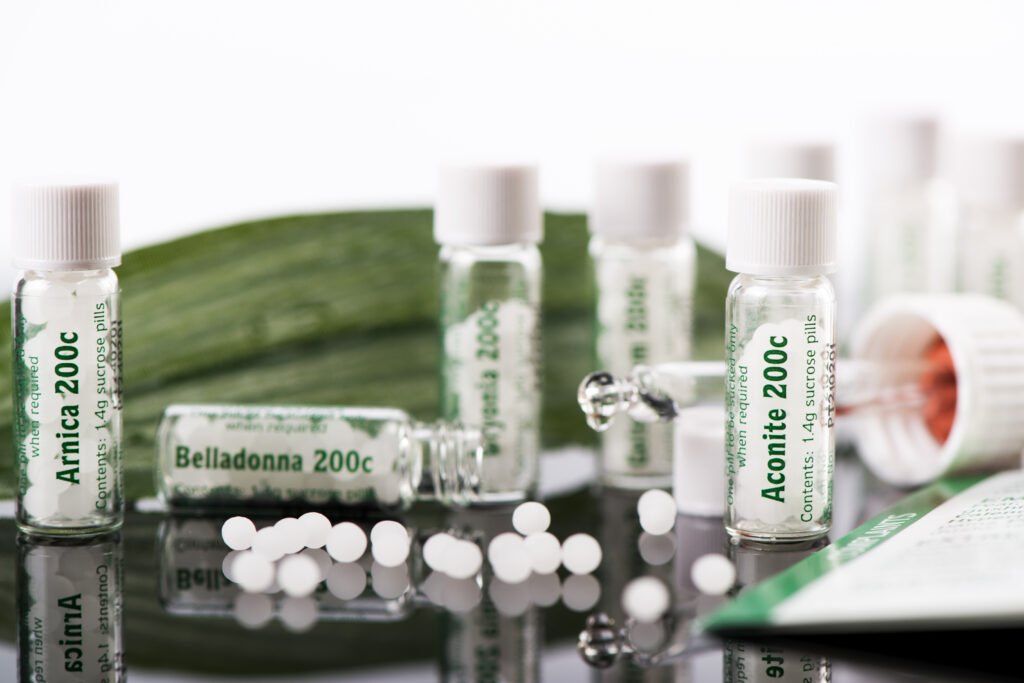
If you’ve ever wandered through a natural health store or researched gentle alternatives to medication, you’ve probably come across the word homeopathy. Some people swear by it, while others dismiss it as wishful thinking. The truth? Homeopathy is one of the most misunderstood branches of natural medicine — but also one of the gentlest. Homeopathy is a system of alternative medicine developed in the late 1700s that uses highly diluted natural substances with the belief that they may stimulate the body’s self-healing processes. It’s wellness support for aging adults.
Scientific reviews have found little evidence that homeopathy is effective for treating medical conditions, and many scientists consider its principles incompatible with established biology and chemistry. It is generally not recommended as a replacement for proven medical treatments. Even with using homeopathy, it’s important to follow simple habits for better health.
This guide breaks it down clearly so you can decide if homeopathy has a place in your own wellness routine.
What Is Homeopathy?
Homeopathy is a system of natural medicine developed over 200 years ago by a German physician named Samuel Hahnemann. It’s based on two main principles:
1. “Like Cures Like”
A substance that causes symptoms in a healthy person may help relieve those same symptoms in someone who is ill.
Examples:
-
Coffee can cause restlessness → a homeopathic preparation of Coffea cruda may help restlessness or sleeplessness.
-
Red onion causes watery eyes → Allium cepa is often used for colds with watering eyes.
2. The Law of Minimum Dose
Homeopathic remedies are extremely diluted — sometimes to the point that no molecules of the original substance remain.
The idea is that the energetic imprint of the substance remains and communicates with the body.
Whether you believe in this energetic concept or prefer to think of homeopathy as a gentle signaling system, the goal is the same:
Homeopathy triggers your body’s own healing response.
How Homeopathic Remedies Are Made
Homeopathic remedies are created using a process called potentization, which includes:
-
Dilution (often 1 drop of a substance into 9 or 99 drops of water/alcohol)
-
Succussion (rapid shaking)
These steps are repeated multiple times, giving you the familiar strengths like:
-
6X
-
6C
-
30C
-
200C
The higher the number, the more diluted the remedy — and (according to homeopathic principles) the stronger its energetic effect.
What Homeopathy Is Used For
Homeopathy is popularly used for:
-
Colds & flu symptoms
-
Allergies
-
Anxiety & stress
-
Sleeplessness
-
Grief
-
Digestive upsets
-
Arthritis discomfort
-
Skin issues
-
Menopause symptoms
-
Injuries, bruising, sprains
-
Support during chronic conditions
-
Support for children & seniors
Some remedies act fast, especially for:
-
burns
-
falls
-
cuts
-
emotional shock
Arnica, for example, is widely used for injury, bruising, muscle soreness, and post-surgery recovery.
Benefits of Homeopathy
1. Extremely Safe
Because remedies are so diluted, they rarely interact with medications and are safe for:
-
babies
-
seniors
-
people on multiple prescriptions
-
highly sensitive individuals
This is one reason many seniors or chronically ill people explore homeopathy.
2. Gentle and Non-Toxic
Homeopathy does not suppress symptoms — it encourages your body to correct them.
There are no:
-
harmful chemicals
-
dependency issues
-
digestion problems
-
liver or kidney strain

3. Can Address Emotional + Physical Health
Homeopathy often matches both:
-
physical symptoms
-
emotional patterns
Example:
-
Ignatia is often used for grief, heartbreak, or emotional shock.
4. Individualized
It recognizes that people with the same diagnosis may need different remedies, depending on their personality, history, and symptom picture. For a homeopathic remedy kit to have in your home – consider our informative article on homeopathic remedy kits and their contents
5. Works Well With Other Natural Methods
Homeopathy pairs beautifully with:
-
herbal medicine
-
essential oils
-
light therapy
-
dietary changes
-
chiropractic care
-
naturopathy
It does not compete with whole-body healing — it complements it.
Don’t forget another path to better health – Deep Steady Breathing!
Drawbacks or Limitations of Homeopathy
Homeopathy isn’t perfect — no system of healing is.
Here are the honest limitations:
1. Results Can Be Subtle or Slow
Some people feel improvement quickly.
Others may need:
-
the correct remedy
-
the correct potency
-
time for symptoms to shift
Homeopathy is gentle… but sometimes patience is required.
2. It Works Best When the Remedy Matches the Person
Choosing the right remedy can be confusing at first.
There are hundreds of remedies, and finding the exact match often takes:
-
time
-
observation
-
sometimes help from a trained homeopath
3. Not Ideal for Emergencies
While Arnica and Rescue Remedy can help in some situations, homeopathy is not a replacement for emergency medical care.
4. Skeptics Disagree on How It Works
Homeopathy challenges conventional science because remedies can be diluted beyond measurable molecules.
People who prefer strictly biochemical explanations often criticize it.
Yet many others (including researchers) believe its effects are:
-
energetic
-
frequency-based
-
informational
This is a point of ongoing debate.
Is Homeopathy Effective?
Millions of people around the world use homeopathy regularly.
Some experience life-changing results — especially when working with a skilled practitioner who tailors remedies to the person.
Scientific results are mixed:
-
Some studies show strong benefits
-
Others show weak or no measurable effect
However, in real-world clinical practice, homeopathy often helps:
-
chronic fatigue
-
hormone issues
-
grief
-
daily stress
-
injuries
-
sleep issues
-
digestive distress
The best approach is simple:
➡ Try a remedy
➡ Watch your body’s response
➡ Adjust as needed
Your body will tell you whether it helps.
Is Homeopathy Right for You?
Homeopathy may be a good fit if you want:
✓ gentle, non-toxic options
✓ support for chronic or emotional symptoms
✓ something safe for seniors or sensitive individuals
✓ complementary support alongside natural healing
✓ personalized care that looks at the whole person
It may not be the best fit if you:
✗ want instant, dramatic results
✗ are uncomfortable with energetic healing
✗ prefer conventional pharmaceuticals
✗ need emergency medical care
But for many, homeopathy becomes a favorite tool in their natural wellness toolbox. Don’t forget to read my article on natural ways to stay healthy.
Final Thoughts
Homeopathy has survived for more than 200 years for one reason:
people continue to feel better when they use it.
It may not be magic or a miracle cure, but it offers something rare:
-
gentle healing
-
emotional support
-
individualized care
-
and a way to nudge the body back into balance
Related articles that many people enjoy:
Environmental Toxins – How they impact your life inside and outside your home.
If you’re looking for a safe, supportive method that respects the body’s innate wisdom, homeopathy is worth exploring. As always, please contact me with any questions or comments.
About the Author
Pamela M. Rumley, ND is a Doctor of Naturopathy and natural health educator who writes about circulation, nutrition, oxygen delivery, and practical wellness strategies. She previously operated a natural health clinic where she worked directly with clients and studied techniques such as darkfield microscopy to observe live blood samples. Today she focuses on research, writing, and education to help readers better understand how the body works and how lifestyle choices can support long-term wellness.
Credentials
- Doctor of Naturopathy – Trinity School of Natural Health
• Master Herbalist – Dr. Christopher School of Natural Healing
• Certified Natural Health Professional – National Association of Certified Natural Health Professionals
• Former Natural Health Clinic Practitioner
• Training in Darkfield Microscopy and Live Blood Analysis
Learn more at PamRumley.com

I like this web blog very much, Its a rattling nice place to read and get information.
This is a very good tips especially to those new to blogosphere, brief and accurate information… Thanks for sharing this one. A must read article.