Why Symptoms Seem to Get Worse at Night After 50
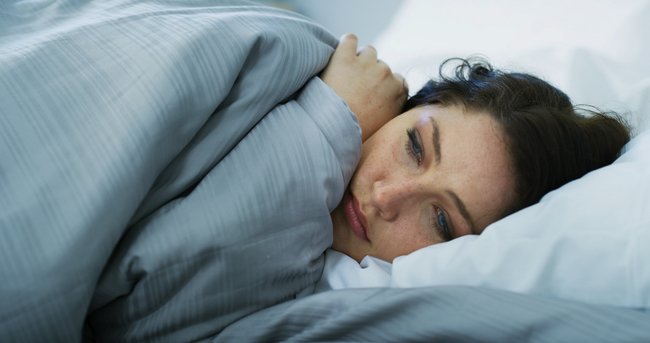
Why symptoms get worse at night? Many people notice an unusual pattern as they get older: symptoms that seem manageable during the day suddenly become more noticeable at night.
Tingling hands, leg cramps, numb toes, burning feet, restless discomfort, and even brain fog can feel stronger after dark. While it’s easy to assume this is “just aging,” there are real physical reasons symptoms often intensify at night. Many of these symptoms, including tingling hands and feet and numb toes, are often connected to circulation and become more noticeable when the body is at rest at night.
Changes in circulation, oxygen delivery, nerve sensitivity, body position, and reduced movement during sleep can all contribute to nighttime discomfort. In some cases, nighttime symptoms may simply reflect how the body naturally functions after dark. In other cases, they may point to circulation or nerve-related issues worth paying attention to.
Understanding why symptoms worsen at night can help you recognize patterns, reduce unnecessary worry, and better support overall health and comfort. This is one reason why issues like cold hands and feet or even burning feet at night may become more noticeable after lying still for several hours.
What You’ll Find in This Article
In this article, you will learn:
- Why symptoms often feel worse at night
- How circulation changes during sleep
- The connection between oxygen delivery and nighttime symptoms
- Why tingling, numbness, and cramps may intensify after dark
- How inactivity and body position affect circulation
- When nighttime symptoms may deserve medical attention
Why Symptoms Often Feel Stronger at Night

At night, when the body is still and the distractions of the day fade away, physical sensations often become more noticeable. During the day, your mind is occupied with movement, conversation, and activity, which can naturally draw attention away from minor discomforts. But as the body settles into rest, there are fewer competing stimuli, allowing sensations like tingling, tightness, or mild pain to come into sharper focus. In addition, subtle changes in the nervous system can heighten awareness of these sensations, and low-level inflammation that went unnoticed earlier may feel more pronounced. The result is not necessarily that symptoms are suddenly worse—but that they are easier to feel and harder to ignore.
Reduced Movement During Sleep Can Affect Circulation
Circulation naturally changes when the body is at rest. During the day, regular movement helps keep blood flowing efficiently throughout the body. At night, however, prolonged inactivity can slow circulation, especially in the extremities. Sleeping positions can also play a role, as certain positions may place pressure on blood vessels or restrict normal flow. This is one reason symptoms like cold hands and feet, numb toes, and tingling hands and feet often become more noticeable after lying still for several hours. Because the hands and feet are furthest from the heart, they are typically affected first when circulation is less active.
Oxygen Delivery and Nighttime Discomfort
Oxygen delivery is closely tied to circulation and plays an important role in how the body feels, especially at night. Oxygen is carried through the bloodstream to tissues and organs, and when circulation is less efficient, delivery may also be reduced. During sleep, breathing patterns can become slower and more shallow, which may further influence oxygen levels in the body. As we age, changes in circulation and oxygen transport can contribute to symptoms such as fatigue, brain fog, and nighttime discomfort. Understanding how oxygen delivery works, along with recognizing low oxygen symptoms and the role of red blood cells, can provide helpful insight into why certain symptoms feel more noticeable after dark.
Why Leg Cramps and Tingling May Increase at Night
Leg cramps and tingling sensations often become more noticeable at night due to a combination of physical and nutritional factors. During the day, muscles are in regular use, but by evening they may be fatigued, especially if activity levels have been high or, conversely, if there has been prolonged sitting. Low levels of magnesium can also play a role, as magnesium helps muscles relax properly and supports normal nerve function. Hydration matters as well—when the body is slightly dehydrated, electrolyte balance can shift, increasing the likelihood of cramping. In addition, mild nerve irritation may go unnoticed during the day but become more apparent when the body is at rest. If nighttime cramping is frequent, it may be helpful to explore the connection between magnesium and muscle function as well as common causes of leg cramps at night.
Body Position Can Trigger Numbness and Tingling
The way you sleep can have a direct impact on how your body feels during the night. Certain positions—such as sleeping on your side with arms tucked under your body or lying with wrists or elbows bent—can place pressure on nerves and restrict normal blood flow. This combination of nerve compression and reduced circulation can lead to numbness, tingling, or the familiar sensation of a limb “falling asleep.” These effects are often temporary and resolve with movement, but they can be more noticeable when the body remains in one position for an extended period. Paying attention to sleep posture and making small adjustments can sometimes reduce these nighttime symptoms.
When Nighttime Symptoms Shouldn’t Be Ignored
While many nighttime symptoms are common and often related to normal changes in circulation, positioning, or muscle fatigue, some patterns deserve closer attention. Persistent numbness that does not improve with movement, recurring or severe cramping, or symptoms that continue to worsen over time may indicate something more than simple nighttime discomfort. In particular, chest pain, shortness of breath, unusual or severe swelling, or sudden changes in how your body feels should not be dismissed. These types of symptoms may point to underlying circulation or cardiovascular concerns that are worth discussing with a healthcare provider. The goal is not to create alarm, but to stay aware—recognizing when something is occasional and manageable, and when it may be time to take a closer look.
Please contact me with any questions or comments.
About the Author
Pamela M. Rumley, ND is a Doctor of Naturopathy and natural health educator who writes about circulation, nutrition, oxygen delivery, and practical wellness strategies. She previously operated a natural health clinic where she worked directly with clients and studied techniques such as darkfield microscopy to observe live blood samples. Today she focuses on research, writing, and education to help readers better understand how the body works and how lifestyle choices can support long-term wellness.
Credentials
Doctor of Naturopathy – Trinity School of Natural Health
• Master Herbalist – Dr. Christopher School of Natural Healing
• Certified Natural Health Professional – National Association of Certified Natural Health Professionals
• Former Natural Health Clinic Practitioner
• Training in Darkfield Microscopy and Live Blood Analysis
Learn more at PamRumley.com
FAQ
Why do symptoms feel worse at night?
Symptoms may feel stronger at night because the body is resting, circulation changes during sleep, and there are fewer daytime distractions competing for attention.
Can poor circulation cause nighttime tingling?
Yes, reduced circulation can contribute to tingling, numbness, cold extremities, and discomfort that becomes more noticeable at night.
Why do leg cramps happen at night?
Nighttime leg cramps may be related to circulation, dehydration, magnesium imbalance, muscle fatigue, or prolonged inactivity.
Is it normal for hands to go numb while sleeping?
Temporary numbness can happen from sleeping positions that compress nerves or reduce circulation. Persistent or worsening numbness should be evaluated.
Can oxygen levels affect nighttime symptoms?
Low oxygen delivery may contribute to fatigue, brain fog, poor circulation, and nighttime discomfort in some individuals.