WHAT TO LOOK FOR IN PROPERTY FOR SIMPLE LIVING – ESPECIALLY AFTER 50
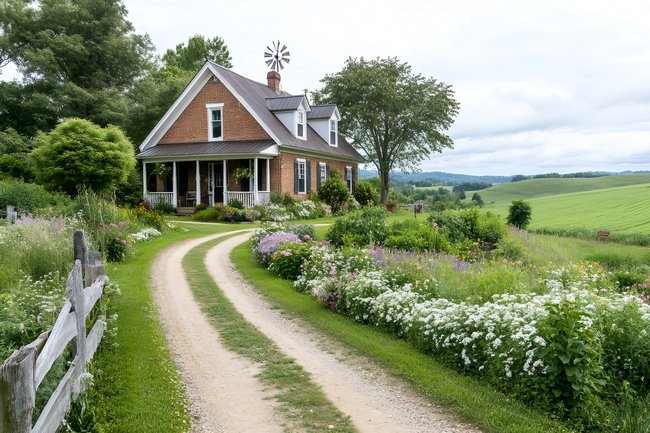
When searching for a home, it’s easy to get caught up in appearances—updated kitchens, large spaces, or cosmetic features that look appealing at first glance. But, if you’re like me, you will want a more simple living arrangement. Maybe less maintenance!
But for many people, especially after 50, what truly matters isn’t how a home looks—it’s how it functions.
A property that supports simple, comfortable living can make everyday life easier, safer, and more manageable. And choosing the right one often comes down to practical details that are easy to overlook.
Whether you’re downsizing, relocating, or simply rethinking your living situation, understanding what to look for can help you make a decision you’ll feel good about for years to come.
WHAT YOU’LL FIND IN THIS ARTICLE
In this article, you will learn:
- What “simple living” really means when choosing a home
- Why layout matters more than square footage
- How to evaluate land for real-life use
- Common features that make a home easier—or harder—to live in
- What to consider for long-term comfort and safety
START WITH HOW YOU WANT TO LIVE
Before focusing on the home itself, take a moment to think about your daily life. Simple living is a great way to enjoy life.
Do you want:
- less maintenance?
- fewer stairs?
- outdoor space you can actually use?
- a quieter environment?
Your answers will shape what kind of property makes sense.
If you’re still in the early stages of planning, it may help to review downsizing and relocating: where to start to clarify your priorities. Earning extra income when downsizing is a way to enjoy life in your new home.
LAYOUT MATTERS MORE THAN SIZE
A large home isn’t always a better home.
In fact, many people find that:
- open, accessible layouts
- fewer stairs
- easy-to-navigate spaces
matter far more than extra square footage.
A well-designed smaller home often feels more comfortable and manageable than a larger one that requires constant upkeep.
WATCH OUT FOR STAIRS AND ACCESSIBILITY
This is one of the most overlooked factors.
Things to consider:
- steps at entry points
- stairs between main living areas
- narrow hallways or doorways
- bathroom accessibility
Even if these aren’t concerns today, they can become important over time.
NOT ALL LAND IS USABLE LAND
A property may advertise several acres—but that doesn’t always mean it’s usable. Does it have room for that lovely greenhouse you’ve always wanted?
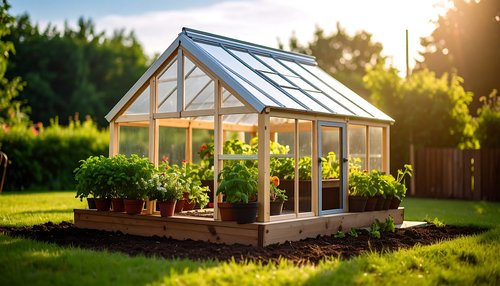
Look at:
- slope of the land
- sunlight exposure
- soil quality
- drainage
- water access
If you’re interested in gardening or outdoor use, it’s worth understanding how to tell if a property can support a garden before making a decision.
MAINTENANCE MATTERS MORE THAN YOU THINK
Some homes require more ongoing work than others.
Consider:
- size of the property
- age of the home
- upkeep requirements
- landscaping needs
A simpler home often means less time spent maintaining and more time enjoying daily life.
LOCATION AND DAILY CONVENIENCE
Even a perfect home can feel difficult if the location doesn’t support your needs.
Think about:
- distance to grocery stores
- access to medical care
- road conditions
- proximity to family
If you’re considering a move, it may help to explore moving to Middle Tennessee after 50: what to expect to better understand how location affects lifestyle.
SPACE FOR FAMILY AND FLEXIBILITY
If family visits—or multigenerational living—is part of your future, consider how the home will function.
- Is there space for guests?
- Are there areas for privacy?
- Can the home adapt over time?
If this is part of your plan, take a look at multigenerational living to see what works best.
COMMON MISTAKES WHEN CHOOSING A PROPERTY
- focusing on appearance instead of function
- overestimating how much space you need
- underestimating maintenance
- ignoring long-term needs
- rushing the decision
These are some of the same issues discussed in mistakes people make when buying rural property, and they can have a lasting impact.
FAQ
What type of home is best for simple living?
Typically, a smaller, well-designed home with easy access and low maintenance requirements.
Is land important when choosing a property?
It depends on your goals, but usable land can add value if you plan to garden or spend time outdoors.
Should I avoid stairs completely?
Not always, but minimizing stairs can make daily life easier over time.
How much space do I really need?
Most people find they need less space than they think—especially after downsizing.
What is the biggest mistake people make when buying a home?
Focusing on appearance instead of how the home will function in daily life.
RELATED ARTICLES