
How to Identify and Eliminate Them From Your Home
Please Read This Before You Light Another Candle or Spray More Cleaner. Environmental toxins are an unavoidable part of modern life—but their impact on health is often underestimated.
From household chemicals and air pollution to food additives and heavy metals, small exposures can accumulate over time. While the body is designed to detoxify naturally, constant exposure may place additional strain on systems responsible for immunity, hormones, circulation, and overall vitality—especially as we age.
Understanding environmental toxins isn’t about fear or perfection. It’s about awareness, informed choices, and reducing unnecessary burden on the body whenever possible.
When we think about toxins, our minds often jump to fast food, car exhaust, or polluted water. But did you know some of the most harmful toxins could be lurking right inside your home—right under your nose, quite literally?
Whether you’re managing health concerns, supporting someone going through cancer treatment, or simply trying to make your home safer, this post will walk you through some of the biggest environmental threats inside your four walls—and what to do about them. Some research suggests that iodine deficiency linked to environmental exposure may occur when certain chemicals interfere with normal thyroid function.
Radon Gas: The Silent Intruder
You can’t see it. You can’t smell it. But radon is the second leading cause of lung cancer in the U.S. after smoking.
What is it?
Radon is a naturally occurring radioactive gas that seeps into homes from the ground. It’s especially a concern in basements and crawl spaces.
How to test for it:
Radon test kits are available at hardware stores or online (under $25). I recommend a plug in monitor that’s on the job 24/7. You can also hire a professional for around $150–$300.
How to get rid of it:
If levels are high (4 pCi/L or more), radon mitigation systems can be installed—usually costing between $800–$2,000. A fan vents the gas from beneath your home before it enters the living space.

Mold: It’s Not Just Ugly – Molds are serious environmental toxins
Mold is more than just an eyesore—it can trigger allergies, respiratory issues, and even neurological symptoms depending on the type and extent.
Types to watch out for:
-
Cladosporium (common allergen)
-
Penicillium (can trigger sinus infections)
-
Stachybotrys (black mold—dangerous and toxic)
Order a mold test kit for your home. It’s quick and easy to use.
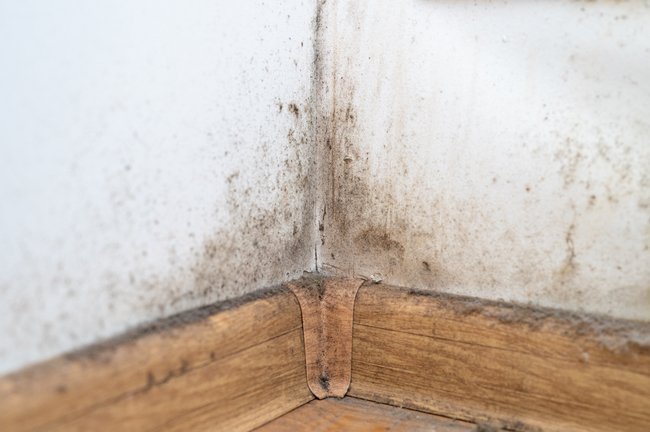
Where it hides:
Bathrooms, under sinks, around windows, in HVAC systems, and anywhere with moisture.
How to clean it:
-
For small areas: Scrub with vinegar or hydrogen peroxide and ventilate well.
-
For larger problems: Hire a mold remediation specialist (cost can range from $500 to $6,000 depending on severity).
Bonus Tip: A dehumidifier can help prevent recurrence—aim for indoor humidity levels between 30–50%.
“You don’t have to do it all today. You just have to begin”
Household Chemicals: Are You Cleaning or Contaminating?
That “clean” smell isn’t always safe.
Most conventional cleaners, bug sprays, air fresheners, and even laundry products contain ingredients linked to hormone disruption, asthma, and more.
Watch for these environmental toxins:
-
Ammonia
-
Chlorine bleach
-
Formaldehyde
-
Phthalates
-
Fragrance (a broad category that can hide dozens of chemicals)
Safer alternatives:
-
White vinegar + baking soda
-
Castile soap
-
Essential oil-based sprays
-
Brands like Branch Basics, Seventh Generation, or ECOS
Bug & Weed Killers:
Skip glyphosate-based weed killers and use vinegar and salt in boiling water on cracks in sidewalks. Use diatomaceous earth indoors instead of harsh chemical sprays.
Lead-Based Paint: A Hidden Threat in Older Homes
If your home was built before 1978, there’s a good chance it may have lead-based paint under those newer coats. If you’re selling a home, there is a ‘lead-based paint’ form that must be used for disclosure.
Risks:
Lead exposure is especially harmful to young children and pregnant women. It can affect brain development and cause neurological damage.
What to do:
-
Have your home tested.
-
NEVER sand or scrape lead-based paint yourself. Hire certified professionals for lead abatement (costs vary widely based on the amount and location of lead paint).
Final Thoughts: Don’t Panic, Just Take Action
Reducing exposure to environmental toxins doesn’t require drastic measures or constant worry. Small, thoughtful changes—such as improving air quality, choosing cleaner household products, and supporting the body’s natural detox systems—can make a meaningful difference over time.
Long-term exposure to environmental pollutants may contribute to stress on the body’s systems, including inflammatory responses. This article explains more about the causes and symptoms of chronic inflammation in the body.
Awareness allows us to make informed choices that support long-term health without fear. By understanding how environmental factors interact with the body, we can take practical steps toward balance, resilience, and better overall well-being.
You don’t have to fix everything overnight. But awareness is the first step. Take a slow, steady approach to cleaning up your home from environmental toxins —and you’ll breathe a little easier, literally. Don’t forget to maintain proper pH balance. It’s so important with cellular health and detox. Please contact me with questions.
About the Author
Pamela M. Rumley, ND is a Doctor of Naturopathy and natural health educator who writes about circulation, nutrition, oxygen delivery, and practical wellness strategies. She previously operated a natural health clinic where she worked directly with clients and studied techniques such as darkfield microscopy to observe live blood samples. Today she focuses on research, writing, and education to help readers better understand how the body works and how lifestyle choices can support long-term wellness.
Credentials
- Doctor of Naturopathy – Trinity School of Natural Health
• Master Herbalist – Dr. Christopher School of Natural Healing
• Certified Natural Health Professional – National Association of Certified Natural Health Professionals
• Former Natural Health Clinic Practitioner
• Training in Darkfield Microscopy and Live Blood Analysis
Learn more at PamRumley.com

Pingback: Chronic Inflammation in the Body: Causes, Symptoms, and Natural Ways to Reduce It |