
Let’s Talk About Curcumin – the Awesome Health Powerhouse
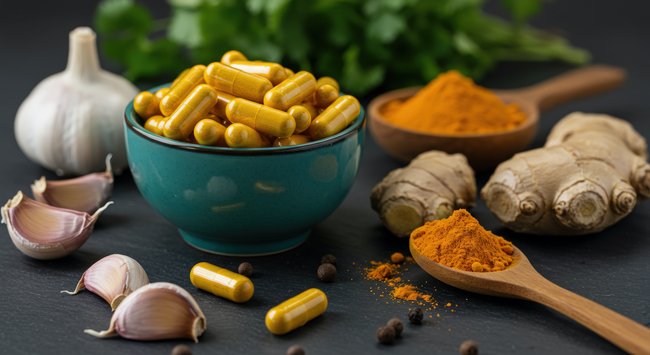
Curcumin is the active compound found in turmeric, and it has drawn attention for its role in supporting the body’s natural inflammatory response.
Inflammation is not always harmful—it’s part of how the body heals. Problems arise when inflammation becomes chronic, contributing to discomfort, stiffness, fatigue, and long-term health challenges. Curcumin has been widely studied for its antioxidant and anti-inflammatory properties, making it of interest to those seeking natural ways to support joint comfort, circulation, and overall wellness.
Understanding curcumin begins with understanding balance—how the body responds to stress, how inflammation is regulated, and how gentle nutritional support may help maintain equilibrium.
If you’ve ever cooked with turmeric, you’ve already met curcumin—health powerhouse. It’s the bright yellow compound that gives turmeric its golden glow and a whole lot of its health power. People have used turmeric for centuries in cooking and natural medicine, but today, more folks are turning to curcumin supplements for things like joint pain, inflammation, and even brain fog.
So, who should be looking at curcumin? Honestly, just about anyone dealing with chronic inflammation, arthritis, low energy, or digestive issues might want to give it a closer look. It’s also become popular for people managing autoimmune problems, mood challenges, and even heart health.
Let’s break it all down—what curcumin really is, how it works, where to find it, and what to watch out for. Curcumin is a staple in better health for seniors.
Curcumin as a Supplement
Curcumin supplements are just concentrated forms of that powerful compound inside turmeric. Since it’s hard for our bodies to absorb curcumin on its own, many supplements are mixed with black pepper extract (called piperine) or other ingredients to help it work better.
You’ll find it in capsules, powders, and even liquid drops. Some people take curcumin every day to help with arthritis, sore muscles, brain fog, or just general aging aches and pains. If you’re trying to avoid pain meds or looking for more natural ways to feel better, curcumin is definitely worth a look.
Just be sure to read the labels—some products are much more effective than others, depending on how they’re formulated. A good daily dose is often somewhere between 500 and 1,500 mg, but always start slow and see how your body responds.
Chronic inflammation can influence inflammation and circulation after 60, affecting comfort and mobility over time.
Curcumin Benefits
So what exactly can curcumin do for you? Here are just a few of the most talked-about benefits:
-
Joint and muscle relief – Many folks say it helps with stiff knees, sore backs, and general inflammation.
-
Heart health – Curcumin might help keep cholesterol levels in check and support healthy circulation.
-
Mood and memory – Early research says it may lift your mood and support clearer thinking.
-
Skin health – Great for calming inflammation and helping with skin flare-ups.
-
Immunity and digestion – It’s been used for ages to help with gut health and overall immune support.
Think of it like a natural helper that works behind the scenes to keep your body running more smoothly.
Curcumin – the health powerhouse – comes from turmeric—so you’ll get some of its benefits just by using turmeric in your cooking. You’ve probably seen turmeric powder in the spice aisle or maybe tried it in golden milk (that warm, cozy turmeric latte people love).
When turmeric is combined with a little black pepper and healthy fat (like coconut oil or ghee), your body can absorb more of its goodness.
Here’s what you can expect from turmeric in your everyday routine:
-
Supports digestion and helps reduce bloating
-
Naturally soothes inflammation
-
Easy to add to soups, smoothies, rice, or roasted veggies
-
Can even brighten your skin if used in DIY masks!
It’s an easy way to give your health a gentle boost without having to pop a pill. There are many natural energy boosters that you can take advantage of for better health.

Curcumin Is What?
Let’s clear it up: curcumin is a natural compound found in turmeric. It’s what gives turmeric that deep yellow-orange color—and it’s the part that has the most research behind it for health benefits.
But curcumin isn’t a cure-all, and it’s not a vitamin or mineral. It’s more like a plant-based helper—loaded with antioxidants and known for calming inflammation throughout the body.
It’s not very easy to absorb on its own, which is why most supplements include piperine (from black pepper) or other ingredients to help it get into your bloodstream.
“No one knows your body better than you do. Trust it”
Curcumin Oil
Curcumin oil usually refers to essential oil or turmeric oil that’s been extracted and sometimes mixed with carrier oils. Some people apply it to their skin for sore muscles or joint aches, while others take it in small drops as a natural remedy.
The oil version can be helpful if you can’t swallow capsules or if you’re looking for something to rub on achy joints. Just be cautious—it can stain like crazy and should always be diluted before putting it on your skin.
Fun fact: curcumin oil is also being explored in natural skin care products and might help with wound healing or calming rashes.
Curcumin Side Effects
Now, curcumin is generally safe for most people—but like anything, it’s not for everyone. Here are a few things to watch for:
-
Stomach trouble – Some people get nausea or diarrhea with high doses.
-
Blood thinning – If you’re on blood thinners, talk to your doctor before taking curcumin—it can increase bleeding risk.
-
Iron absorption – Long-term use might affect how well your body absorbs iron.
-
Allergic reactions – Rare, but some people get rashes or hives.
-
Liver caution – A few cases of liver trouble have been linked to super high supplement doses.
The bottom line? Stick with safe amounts, and talk to a healthcare provider—especially if you’re on medications, pregnant, or nursing.
Curcumin Safety
Here are a few simple tips to stay on the safe side:
-
Start small – Try a lower dose and see how your body reacts.
-
Look for quality – Choose brands with third-party testing and clean ingredients.
-
Don’t overdo it – Most experts suggest taking breaks if you use it long-term.
-
Pair with food – Curcumin works best with fat and black pepper.
-
Check with your doc – Especially if you take meds, are pregnant, or have liver issues.
Curcumin is not a quick fix, but it represents how natural compounds can support the body when used thoughtfully and consistently. By helping maintain a balanced inflammatory response, curcumin may contribute to greater comfort, mobility, and overall well-being—especially when combined with healthy lifestyle choices.
As with many aspects of natural health, understanding how curcumin works allows individuals to make informed decisions that align with their own needs, goals, and long-term health priorities. Take a few minutes and investigate the benefits of medicinal mushrooms.
If you’re using turmeric in your food—great! That’s a very low-risk way to enjoy curcumin’s health powerhouse benefits. But once you move to supplements or oils, it’s smart to be a little more cautious and informed. As always, please contact me with any questions or comments you have about the website.
About the Author
Pamela M. Rumley, ND is a Doctor of Naturopathy and natural health educator who writes about circulation, nutrition, oxygen delivery, and practical wellness strategies. She previously operated a natural health clinic where she worked directly with clients and studied techniques such as darkfield microscopy to observe live blood samples. Today she focuses on research, writing, and education to help readers better understand how the body works and how lifestyle choices can support long-term wellness.
Credentials
- Doctor of Naturopathy – Trinity School of Natural Health
• Master Herbalist – Dr. Christopher School of Natural Healing
• Certified Natural Health Professional – National Association of Certified Natural Health Professionals
• Former Natural Health Clinic Practitioner
• Training in Darkfield Microscopy and Live Blood Analysis
Learn more at PamRumley.com

Pingback: Simple Daily Habits That Support Better Health After 60 | Pam Rumley’s World | Natural Health, Senior Wellness & Creative Living
Pingback: Chronic Inflammation in the Body: Causes, Symptoms, and Natural Ways to Reduce It |