Bathroom Safety for Seniors: Simple Fixes That Prevent Falls
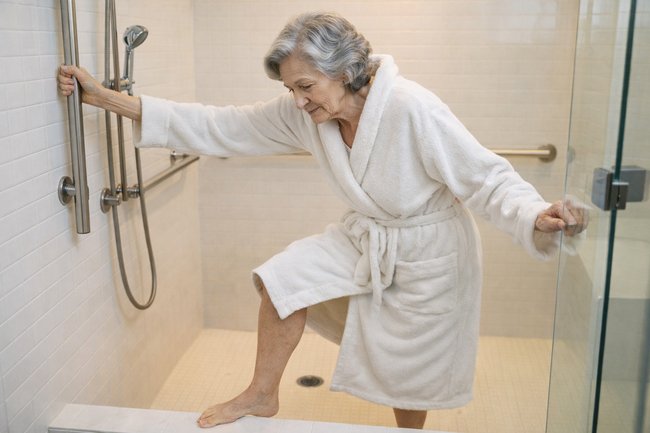
Bathrooms are one of the most common places where falls happen in the home. With slippery surfaces, tight spaces, and frequent movement in and out of tubs or showers, even a small misstep can quickly become dangerous. This bathroom safety for seniors article is all about fall prevention for seniors and how to stay safe at home.
The good news is that most bathroom-related falls are preventable with a few simple changes. Creating a safer space doesn’t require a full remodel—just a few practical adjustments that can make a big difference.
What You’ll Find in This Article
In this article, you’ll learn:
- Why bathrooms are considered high-risk areas
- The most common causes of bathroom falls
- Simple safety improvements you can make right away
- How to create a safer and more comfortable environment
Many falls are caused by everyday hazards – see our guide on the top causes of falls in seniors.
Why Bathrooms Are a High-Risk Area
Bathrooms combine several risk factors in one place—water, hard surfaces, and limited space to move around. But, bathroom safety is just one piece of the puzzle. Here’s how to improve safety in every room.
It’s easy to underestimate how quickly things can go wrong here. Many people feel steady on their feet most of the time, but in a bathroom, even a moment of imbalance can lead to a fall.
Dizziness and balance issues may also be linked to circulation – learn more about circulation and blood flow.
Slippery Surfaces and Wet Floors
Water on tile or smooth flooring creates one of the biggest fall risks in the home.
Even small amounts of moisture from a shower, sink, or bath can make surfaces unexpectedly slick.
What Helps:
- Use non-slip mats both inside and outside the shower or tub
- Wipe up water spills right away
- Consider textured or slip-resistant flooring if renovating
Getting In and Out of the Tub or Shower is a Major Part of Bathroom Safety for Seniors
Stepping over the edge of a tub or into a shower is one of the most dangerous moments for a fall.
This movement requires balance, coordination, and strength—especially when surfaces are wet.
This is an area where many close calls happen, even for people who feel confident in their mobility.
What Helps:
- Install grab bars for support
- Use a walk-in shower if possible
- Move slowly and deliberately when entering or exiting
Lack of Support and Stability
Many bathrooms are not designed with stability in mind. There are often no secure places to hold onto when needed.
Reaching for a towel rack or sink for support can be risky if those fixtures are not designed to bear weight.
What Helps:
- Install grab bars near the shower, tub, and toilet
- Avoid using unstable surfaces for balance
- Keep necessary items within easy reach
Toilet Safety (Often Overlooked)
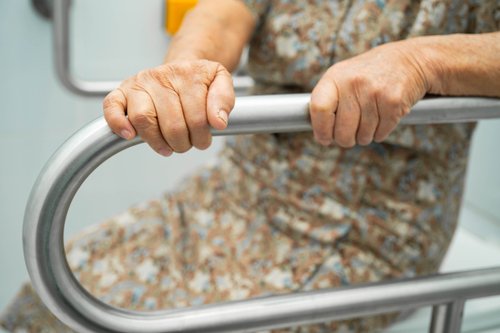
Sitting down and standing up from the toilet can become more difficult over time, especially if there are balance or strength issues. This is where bathroom safety for seniors can make a huge difference.
This is something many people don’t think about until it becomes a problem.
What Helps:
- Consider a raised toilet seat
- Install support rails if needed
- Take your time when sitting and standing
Poor Lighting in the Bathroom
Lighting plays a bigger role than many people realize, especially during nighttime trips to the bathroom.
Shadows, dim lighting, or glare can make it harder to see obstacles clearly.
What Helps:
- Use bright, even lighting
- Add night lights for visibility after dark
- Make sure light switches are easy to reach
Simple Fixes That Make a Big Difference
Bathroom safety doesn’t require major changes. Small adjustments can greatly reduce the risk of falls:
- Add grab bars in key areas
- Use non-slip mats
- Improve lighting
- Keep floors dry and clutter-free
- Move carefully and avoid rushing
These simple steps can help create a safer, more comfortable environment while maintaining independence.
Final Thoughts
Falls in the bathroom are common, but they are not inevitable. With a few practical changes and a little awareness, it’s possible to greatly reduce the risk.
Most importantly, it’s about recognizing that small hazards can add up—and taking steps now to prevent problems later. Please feel free to contact me with questions or comments.
About the Author
Pamela M. Rumley, ND is a Doctor of Naturopathy and natural health educator who writes about circulation, nutrition, oxygen delivery, and practical wellness strategies. She previously operated a natural health clinic where she worked directly with clients and studied techniques such as darkfield microscopy to observe live blood samples. Today she focuses on research, writing, and education to help readers better understand how the body works and how lifestyle choices can support long-term wellness.
Credentials
- Doctor of Naturopathy – Trinity School of Natural Health
• Master Herbalist – Dr. Christopher School of Natural Healing
• Certified Natural Health Professional – National Association of Certified Natural Health Professionals
• Former Natural Health Clinic Practitioner
• Training in Darkfield Microscopy and Live Blood Analysis
Learn more at PamRumley.com
Frequently Asked Questions About Bathroom Safety for Seniors
Why are bathrooms so dangerous for seniors?
Bathrooms combine slippery surfaces, tight spaces, and frequent movement, making them one of the highest-risk areas for falls in the home.
What is the best way to prevent falls in the bathroom?
Adding grab bars, using non-slip mats, improving lighting, and moving carefully can significantly reduce fall risk.
Are grab bars really necessary?
Yes—grab bars provide stability during high-risk movements like stepping into a shower or standing from a seated position.
What is safer: a bathtub or a walk-in shower?
Walk-in showers are generally safer because they eliminate the need to step over a high edge, reducing the risk of losing balance.
Do small changes really make a difference?
Yes—simple adjustments like better lighting or a non-slip mat can greatly reduce the risk of falls over time.