Top Causes of Falls in Seniors (And How to Prevent Them)
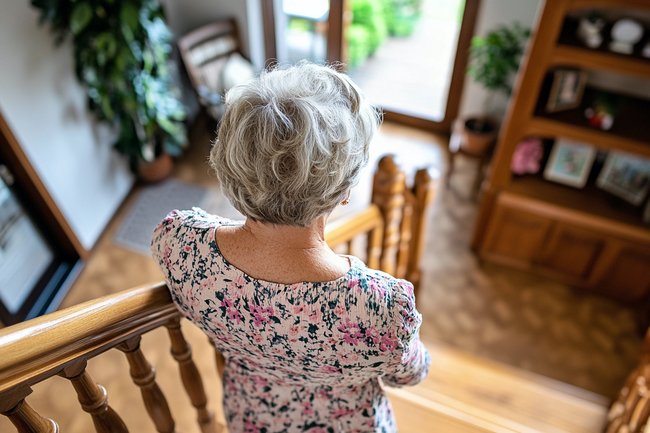
Falls are one of the most common—and often overlooked—health risks for older adults. What may seem like a simple slip or stumble can lead to serious injuries, loss of independence, and long recovery times. Let’s discuss how to prevent some of the top causes of falls in seniors.
The good news is that most falls are preventable.
Understanding why falls happen is the first step toward creating a safer home and maintaining confidence in everyday movement. Many of these risks can be reduced with simple changes – learn how in our home safety guide.
What You’ll Find in This Article
In this article, you’ll learn:
- The most common causes of falls in seniors
- Why balance and strength change with age
- Hidden hazards inside the home
- Simple, practical ways to reduce fall risk
- How small changes can make a big difference
1. Poor Balance and Muscle Weakness
As we age, muscle strength naturally declines, especially in the legs and core. This affects balance, coordination, and stability.
Even small changes—like standing up too quickly or walking on uneven ground—can increase the risk of falling.
What Helps:
- Gentle strength exercises (especially legs and hips)
- Balance exercises like standing on one foot (with support nearby)
- Daily movement instead of long periods of sitting
2. Medications and Side Effects
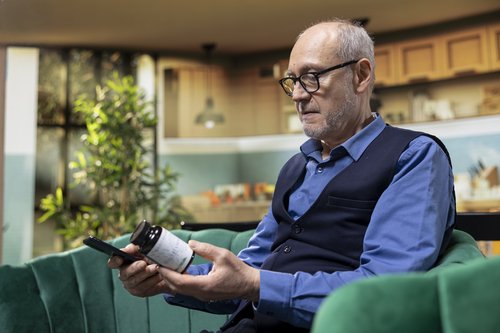
Meds can be one of the top causes of falls in seniors. Always check your prescriptions to make sure they are accurate and discuss any side effects with your physician.
Many medications can cause:
- Dizziness
- Drowsiness
- Changes in blood pressure
When multiple medications are taken together, these effects can increase.
What Helps:
- Review medications regularly with a healthcare provider
- Pay attention to dizziness when standing
- Avoid sudden position changes
3. Poor Lighting and Vision Changes
Vision naturally changes with age, and dim lighting makes it harder to see obstacles clearly.
This is especially dangerous at night or in hallways and bathrooms.
What Helps:
- Brighter bulbs in key areas
- Night lights in hallways and bathrooms
- Keeping pathways clear and visible
4. Clutter and Tripping Hazards – Top Causes of Falls in Seniors!
One of the most common causes of falls is also one of the easiest to fix.
Common hazards include:
- Throw rugs
- Loose cords
- Shoes left on the floor
- Uneven surfaces
What Helps:
- Remove throw rugs or secure them properly
- Keep walkways clear
- Use non-slip mats where needed
5. Bathroom Risks
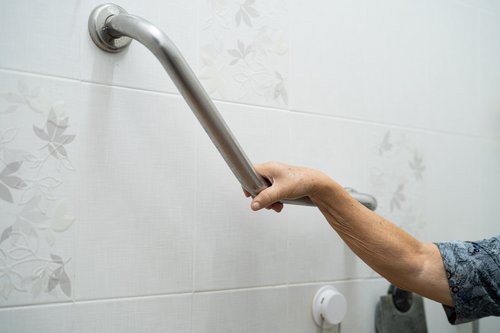
Bathrooms are one of the highest-risk areas due to:
- Wet, slippery surfaces
- Stepping in and out of tubs
- Lack of support when standing
What Helps:
- Install grab bars near toilets and showers
- Use non-slip mats
- Consider a shower chair
For a deeper look at the causes and solutions, see our guide on fall prevention for seniors.
6. Footwear and Foot Health
Shoes that lack support—or walking barefoot—can increase fall risk.
Foot pain or numbness can also affect balance.
What Helps:
- Wear supportive, non-slip shoes
- Avoid loose slippers
- Address foot pain or numbness early
7. Low Blood Pressure or Circulation Issues
Standing up too quickly can cause a sudden drop in blood pressure, leading to dizziness or lightheadedness.
Poor circulation may also affect stability and awareness of foot placement.
What Helps:
- Stand up slowly from sitting or lying down
- Stay hydrated
- Support healthy circulation through regular movement
Poor oxygen delivery can also affect balance and stability—learn more about how this works in our article on oxygen delivery and overall health.
8. Lack of Physical Activity
The less we move, the weaker muscles become—and the higher the fall risk.
Inactivity creates a cycle:
Less movement → weaker muscles → less confidence → more risk
What Helps:
- Daily walking (even short distances)
- Gentle stretching
- Light strength exercises
Simple Steps That Make a Big Difference
Fall prevention doesn’t require major changes. Often, it’s the small adjustments that matter most:
- Improve lighting
- Clear walkways
- Add support where needed
- Stay active
- Pay attention to how your body feels
These steps can help maintain independence and reduce the risk of injury.
Final Thoughts
Falls are not just a normal part of aging—they are often a signal that something needs attention.
By understanding the causes and making a few practical changes, it’s possible to create a safer environment and move with greater confidence every day.
Frequently Asked Questions
What is the most common cause of falls in seniors?
Poor balance and muscle weakness are among the most common causes, often combined with environmental hazards like clutter or poor lighting.
Where do most falls happen in the home?
Falls most often occur in high-risk areas like bathrooms, stairways, and cluttered walkways where surfaces may be slippery or uneven.
Can medications increase the risk of falling?
Yes, some medications can cause dizziness, drowsiness, or changes in blood pressure, all of which can increase fall risk.
How can seniors improve balance and prevent falls?
Regular movement, strength exercises, proper footwear, and removing hazards in the home can significantly reduce the risk of falling.
Are falls a normal part of aging?
No—while risk increases with age, most falls are preventable with simple lifestyle and home safety changes.
Pamela M. Rumley, ND is a Doctor of Naturopathy and natural health educator who writes about circulation, nutrition, oxygen delivery, and practical wellness strategies. She previously operated a natural health clinic where she worked directly with clients and studied techniques such as darkfield microscopy to observe live blood samples. Today she focuses on research, writing, and education to help readers better understand how the body works and how lifestyle choices can support long-term wellness.
Credentials
- Doctor of Naturopathy – Trinity School of Natural Health
• Master Herbalist – Dr. Christopher School of Natural Healing
• Certified Natural Health Professional – National Association of Certified Natural Health Professionals
• Former Natural Health Clinic Practitioner
• Training in Darkfield Microscopy and Live Blood Analysis
Learn more at PamRumley.com