Magnesium and Inflammation: How This Mineral Helps Support the Body
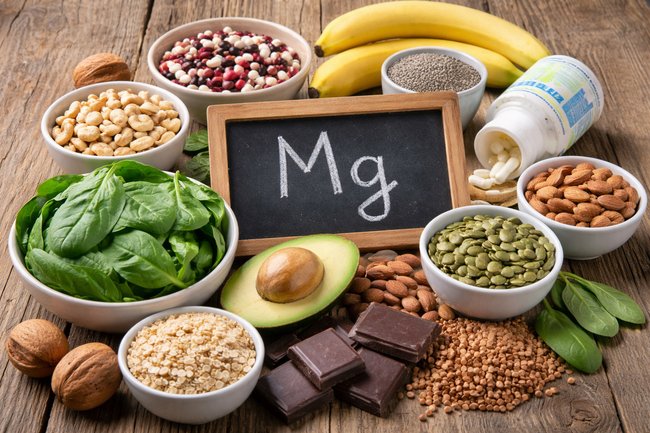
Magnesium is one of the most important minerals in the body, yet many people may not get enough of it in their daily diet. This essential mineral participates in hundreds of biochemical reactions, influencing everything from muscle function to nerve signaling and energy production.
In recent years, researchers have also explored the relationship between magnesium and inflammation. While inflammation is a natural part of the body’s healing process, chronic inflammation may contribute to fatigue, joint discomfort, circulation problems, and other health concerns.
Understanding how magnesium supports normal body functions may help explain why this mineral is often discussed in connection with inflammation and overall wellness.
What You’ll Learn in This Article
In this article you will learn:
• What magnesium does in the body
• How magnesium supports muscle and nerve function
• The relationship between magnesium and inflammation
• Signs that magnesium intake may be low
• Foods and lifestyle habits that may support healthy magnesium levels
What Is Magnesium?
Magnesium is an essential mineral required for more than 300 enzymatic reactions in the human body. These reactions support processes such as:
-
muscle contraction and relaxation
-
nerve transmission
-
energy production
-
protein synthesis
-
blood sugar regulation
-
blood pressure balance
Magnesium is found naturally in many foods, including leafy greens, nuts, seeds, legumes, and whole grains. Despite its importance, dietary surveys suggest that many people consume less magnesium than recommended.
Magnesium participates in hundreds of biochemical reactions throughout the body. If you’d like to explore its many roles in greater detail, see this overview of magnesium health benefits and how it supports the body.
The Relationship Between Magnesium and Inflammation
Inflammation is a complex process involving the immune system, signaling molecules, and circulation. Short-term inflammation helps the body respond to injury or infection, but persistent inflammation may affect tissues throughout the body.
Magnesium is involved in several biological processes that influence inflammatory responses. For example, magnesium helps regulate certain cellular signals that control how the body responds to stress and tissue irritation.
Some studies have observed that individuals with lower magnesium intake may show higher levels of inflammatory markers. While many factors influence inflammation, maintaining adequate magnesium intake is considered an important part of overall nutritional balance.
Persistent inflammation can affect many systems in the body, including circulation, joints, and energy levels. This article explains more about the causes and symptoms of chronic inflammation in the body.
How Magnesium Supports Circulation and Muscle Function
Magnesium plays an important role in helping muscles relax after contraction. This is particularly important for:
-
skeletal muscles
-
blood vessels
-
the heart muscle
When magnesium levels are balanced, muscles can contract and relax more efficiently. This may help explain why magnesium is often discussed in relation to muscle cramps, tightness, and circulation.
Healthy blood vessels rely on proper muscle relaxation to allow blood to flow smoothly throughout the body.
Muscle tightness and cramping are often discussed in connection with magnesium balance because this mineral helps muscles relax after contraction. Learn more about how magnesium may help with muscle cramps and tightness.
Possible Signs of Low Magnesium
Low magnesium levels can affect many systems in the body because the mineral is involved in so many biochemical processes.
Possible signs sometimes associated with low magnesium intake include:
-
muscle cramps or spasms
-
fatigue
-
headaches
-
sleep disturbances
-
irritability
-
heart palpitations
-
muscle tightness
These symptoms can have many possible causes, but they are commonly discussed in connection with magnesium balance. Magnesium is also involved in processes that influence relaxation and sleep quality. This is why many people explore how magnesium may support healthy sleep patterns.
Foods That Provide Magnesium
A balanced diet can help support healthy magnesium intake. Foods that contain magnesium include:
-
spinach and leafy greens
-
almonds and cashews
-
pumpkin seeds
-
beans and lentils
-
whole grains
-
avocados
-
dark chocolate
Eating a variety of whole foods helps provide the body with the minerals and nutrients needed for normal cellular function.
Lifestyle Factors That Affect Magnesium Levels
Several lifestyle factors may influence magnesium levels in the body, including:
Stress
Chronic stress may increase the body’s demand for magnesium.
Diet Quality
Highly processed foods may contain less magnesium than whole foods.
Hydration
Proper hydration supports the body’s ability to maintain electrolyte balance.
Physical Activity
Exercise increases metabolic activity, which may affect mineral requirements.
Supporting Healthy Inflammatory Balance
Maintaining balanced nutrition, regular movement, and healthy lifestyle habits can help support the body’s natural processes.
Magnesium works together with many other nutrients and physiological systems, including circulation, oxygen delivery, and energy production.
When these systems function together efficiently, the body is better able to maintain balance and respond to everyday stresses.
When inflammatory processes affect blood vessels, circulation may also be impacted. This guide explains several common signs of poor circulation you shouldn’t ignore.
Final Thoughts about Magnesium and Inflammation
Magnesium plays a central role in many biological processes, including muscle function, nerve signaling, and energy metabolism. Because of its involvement in these systems, magnesium is often discussed in connection with inflammatory balance and overall wellness.
Nighttime muscle cramps are another symptom often associated with mineral imbalance. This article discusses several possible causes of leg cramps at night and what they may mean.
While magnesium is only one piece of a complex puzzle, maintaining healthy magnesium intake through diet and lifestyle may help support the body’s natural ability to maintain balance.
As always, please contact me with questions or comments.
About the Author
Pamela M. Rumley, ND is a Doctor of Naturopathy and natural health educator who writes about circulation, nutrition, oxygen delivery, and practical wellness strategies. She previously operated a natural health clinic where she worked directly with clients and studied techniques such as darkfield microscopy to observe live blood samples. Today she focuses on research, writing, and education to help readers better understand how the body works and how lifestyle choices can support long-term wellness.
Credentials
- Doctor of Naturopathy – Trinity School of Natural Health
• Master Herbalist – Dr. Christopher School of Natural Healing
• Certified Natural Health Professional – National Association of Certified Natural Health Professionals
• Former Natural Health Clinic Practitioner
• Training in Darkfield Microscopy and Live Blood Analysis
Learn more at PamRumley.com