Magnesium Health Benefits, Types, and How It Supports the Body
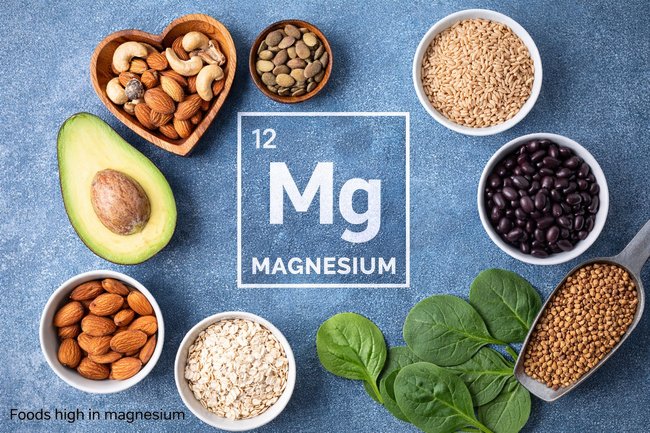
Magnesium is one of the most important minerals in the human body, yet many people do not get enough of it through their diet. This essential nutrient plays a role in hundreds of biochemical reactions, supporting everything from muscle function and heart rhythm to digestion, nerve health, and energy production.
Low magnesium levels have been linked to a wide range of health concerns, including muscle cramps, fatigue, poor sleep, and even joint pain. Because magnesium is involved in so many processes in the body, maintaining adequate levels can have far-reaching benefits for overall wellness.
Magnesium health benefits can be obtained through foods, supplements, topical applications such as magnesium oil, and even Epsom salt baths. Understanding how magnesium works in the body—and the different types available—can help people choose the best way to support their health.
What You’ll Learn in This Article
In this guide we will cover:
-
The effects magnesium has on the body
-
Common health benefits of magnesium
-
How magnesium may support joint pain and muscle health
-
The connection between magnesium and heart health
-
Types of magnesium and their benefits
-
How magnesium citrate helps with digestion and constipation
-
When to take magnesium and whether to take it with food
-
Topical magnesium options such as magnesium oil and roll-on products
-
Natural food sources of magnesium
What Magnesium Does in the Body
Magnesium is involved in more than 300 enzyme reactions in the body. It helps regulate nerve signals, muscle contraction, blood pressure, and energy production.
Magnesium is also closely connected to the body’s inflammatory response and cellular balance. You can explore this topic further in our guide to how magnesium may influence inflammation in the body.
Some of magnesium’s key roles include:
-
Supporting muscle relaxation
-
Regulating heart rhythm
-
Supporting bone strength
-
Assisting energy production
-
Supporting nerve function
-
Helping regulate blood sugar
Because magnesium influences so many systems, even mild magnesium deficiency can affect how the body feels and functions. Inflammatory processes in the body may also influence circulation and oxygen delivery. Understanding the broader picture can be helpful, including learning about the causes and symptoms of chronic inflammation in the body.
Magnesium Health Benefits
Magnesium supports many aspects of health, which is why it is commonly used in natural health approaches.
Magnesium for Joint and Muscle Pain
One of the most common uses of magnesium is helping support muscle relaxation and joint comfort. Magnesium helps regulate muscle contraction and nerve signals, which may help reduce muscle cramps, tension, and stiffness.
Topical magnesium oil or roll-on magnesium products are often used to support sore muscles and joint discomfort.
Magnesium and Heart Health
Magnesium plays an important role in heart rhythm and circulation. It helps regulate electrical signals in the heart and supports healthy blood pressure.
Adequate magnesium intake has been associated with improved cardiovascular function and may help support a stable heart rate.
Magnesium and Blood Sugar Balance
Magnesium is also involved in glucose metabolism. Some research suggests magnesium may support healthy blood sugar regulation, making it important for metabolic health.
Magnesium and Sleep Support
Magnesium helps calm the nervous system and supports relaxation. This is why magnesium oil, magnesium supplements, and magnesium baths are often used to promote better sleep.
Magnesium for Digestion and Constipation
Magnesium is widely known for supporting digestive function.
Certain forms of magnesium—especially magnesium citrate—draw water into the intestines and help stimulate bowel movements.
Because of this effect, magnesium citrate pills are commonly used to help relieve occasional constipation.
People searching for “what magnesium helps you poop” are usually referring to magnesium citrate.
Magnesium and Kidney Stones
Magnesium may help reduce the formation of certain types of kidney stones by influencing how calcium and oxalate interact in the body.
Maintaining balanced mineral levels may help support kidney health.
Magnesium and Nerve Function
Magnesium helps regulate nerve signals and muscle contractions.
This is why magnesium is sometimes used to support issues such as eye twitching, muscle spasms, or nerve sensitivity.
Types of Magnesium and Their Benefits
Not all magnesium supplements are the same. Different forms are absorbed differently and serve different purposes.
Magnesium Citrate
Magnesium citrate is often used for digestive support and constipation relief. It is well absorbed and has a mild laxative effect.
Chelated Magnesium
Chelated magnesium refers to magnesium bound to amino acids, which may help improve absorption and reduce digestive irritation.
Magnesium Zinc Supplements
Some supplements combine magnesium and zinc, as these minerals often work together to support immune health, hormone balance, and metabolism.
Magnesium Oil
Magnesium oil is a topical magnesium solution applied directly to the skin. Many people use magnesium oil for muscle tension, joint discomfort, or relaxation before sleep.
Learning how to apply magnesium oil properly can help maximize its benefits.
Magnesium Baths and Epsom Salt

Epsom salt is actually magnesium sulfate, a compound containing magnesium.
Many people use Epsom salt baths as a relaxing way to support muscle recovery, joint comfort, and relaxation.
When Should You Take Magnesium?
Magnesium can be taken at different times of day depending on the purpose.
Some people take magnesium:
-
in the evening to support sleep
-
with meals to support digestion
-
before bed to promote relaxation
Magnesium supplements can generally be taken with or without food, although some people find it easier on the stomach when taken with meals. Because some substances can be absorbed through the skin, safety becomes an important consideration—especially with compounds like DMSO.
Foods High in Magnesium
Dietary sources of magnesium include many whole foods.
Some foods naturally high in magnesium include:
-
nuts such as almonds and cashews
-
pumpkin seeds
-
leafy green vegetables
-
whole grains
-
beans and legumes
Including these foods regularly can help support healthy magnesium levels.
Curcumin has been widely studied for its potential role in supporting the body’s inflammatory balance. You can explore the topic further in this article explaining how chronic inflammation develops in the body and ways to support healthy balance.
About the Author
Pamela M. Rumley, ND is a Doctor of Naturopathy and natural health educator who writes about circulation, nutrition, oxygen delivery, and practical wellness strategies. She previously operated a natural health clinic where she worked directly with clients and studied techniques such as darkfield microscopy to observe live blood samples. Today she focuses on research, writing, and education to help readers better understand how the body works and how lifestyle choices can support long-term wellness.
Credentials
• Doctor of Naturopathy – Trinity School of Natural Health
• Master Herbalist – Dr. Christopher School of Natural Healing
• Certified Natural Health Professional – National Association of Certified Natural Health Professionals
• Former Natural Health Clinic Practitioner
• Training in Darkfield Microscopy and Live Blood Analysis
Learn more at PamRumley.com
This article is for educational purposes only and is not intended to diagnose, treat, cure, or replace professional medical advice.
Magnesium is only one of several essential minerals the body needs to function properly. You may also want to learn about:
• Deep Breathing for Health
• How oxygen is delivered through the bloodstream
• Common symptoms of poor circulation
Frequently Asked Questions About Magnesium Health Benefits
What does magnesium do in the body?
Magnesium plays a role in more than 300 biochemical reactions in the body. It helps regulate muscle contraction, nerve function, blood pressure, heart rhythm, and energy production. Magnesium also supports bone health and helps the body maintain balanced blood sugar levels.
What type of magnesium helps with constipation?
Magnesium citrate is one of the most commonly used forms of magnesium for constipation relief. It works by drawing water into the intestines, which helps soften stool and stimulate bowel movements. Magnesium citrate pills are often used for occasional digestive support.
When should you take magnesium?
Magnesium can be taken at different times depending on the purpose. Many people take magnesium in the evening because it may help promote relaxation and sleep. Magnesium supplements can generally be taken with or without food, although taking them with food may help prevent stomach upset.
What time of day is best to take magnesium?
The best time to take magnesium depends on why you are using it. Some people prefer taking magnesium at night to support relaxation and sleep, while others take it during the day to support muscle function, energy metabolism, or digestion.
Can magnesium help with joint pain?
Magnesium supports muscle relaxation and helps regulate nerve signals, which may help reduce muscle tension and stiffness around joints. Some people also use topical magnesium oil or magnesium roll-on products to support sore muscles and joint discomfort.
Does magnesium support heart health?
Magnesium helps regulate electrical activity in the heart and supports healthy blood pressure. Adequate magnesium levels are important for maintaining a steady heart rhythm and supporting overall cardiovascular health.
What is magnesium oil and how do you apply it?
Magnesium oil is a topical magnesium solution applied directly to the skin. It is often used for muscle soreness, relaxation, or sleep support. Magnesium oil can be sprayed or rolled onto the skin and gently rubbed in. Some people apply it to legs, arms, or the bottoms of the feet.
Are Epsom salts a form of magnesium?
Yes. Epsom salt is magnesium sulfate, a compound that contains magnesium. Many people use Epsom salt baths to support muscle relaxation, reduce soreness, and promote relaxation.
What foods are high in magnesium?
Foods naturally high in magnesium include:
-
almonds
-
cashews
-
pumpkin seeds
-
spinach and leafy greens
-
whole grains
-
beans and legumes
Including these foods regularly can help support healthy magnesium levels.
Can magnesium help with Eye twitching?
Eye twitching can sometimes be linked to muscle fatigue, stress, or mineral imbalance. Magnesium supports nerve and muscle function, which is why some people increase magnesium intake when experiencing occasional muscle twitching.
Final Thoughts
Magnesium is a vital mineral involved in many important processes in the body. From supporting heart health and muscle relaxation to aiding digestion and sleep, magnesium plays a key role in overall wellness.
Because magnesium deficiency is relatively common, understanding the different forms of magnesium and how they affect the body can help people make informed decisions about their health.
Through a balanced diet, appropriate supplementation, or topical magnesium applications, maintaining healthy magnesium levels can support many aspects of long-term health.
As always, please contact me with questions or comments.