Poor Circulation |10 Signs You Shouldn’t Ignore
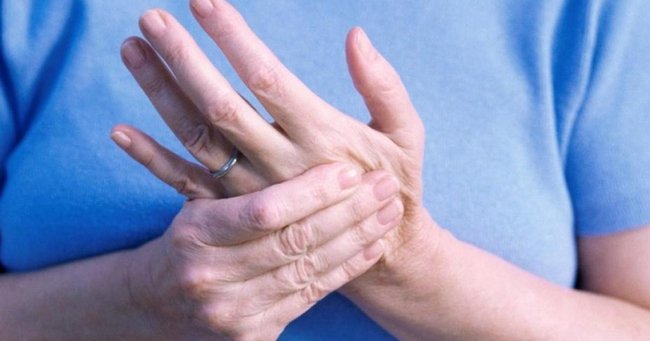
Healthy circulation and blood flow are essential for delivering oxygen and nutrients to every part of the body. When circulation begins to slow or become restricted, the body often sends early warning signals of poor circulation.
These signs are sometimes subtle at first — cold fingers, tingling in the feet, fatigue, or slower healing of cuts and bruises. Many people first notice circulation problems through cold hands and feet.
Over time, circulation problems symptoms may become more noticeable, especially in the hands, feet, and legs where blood flow must travel the farthest from the heart.
Understanding the early clues can help you take steps to support better circulation and overall wellness. Reduced blood flow to the legs may contribute to painful leg cramps at night.
Inflammation inside blood vessels may also affect circulation over time. If you’d like to understand how inflammation can influence many symptoms in the body, this guide explains the causes and symptoms of chronic inflammation in the body.
In This Article
In this article, we’ll explore 10 common signs of poor circulation, including symptoms that may appear in the hands, feet, and legs. We’ll also look at possible causes of reduced blood flow and simple natural approaches that may help support healthy circulation.
What Are Circulation Problems?
Circulation problems occur when blood flow through the circulatory system becomes reduced or restricted. Poor circulation can affect the hands, feet, legs, and other parts of the body, leading to symptoms such as cold extremities, numbness, tingling, fatigue, and slow healing. Recognizing the early signs of poor circulation can help people take steps to support healthy blood flow. Activities such as rebounding exercise on a mini-trampoline may help encourage circulation.
Why Circulation Is So Important
The circulatory system is responsible for moving blood throughout the body. This blood carries oxygen, nutrients, hormones, and immune cells to tissues and organs.
When circulation blood flow slows down, tissues may not receive the oxygen and nutrients they need. This can lead to a variety of symptoms affecting energy levels, skin health, and nerve function.
Poor circulation is often noticed first in the hands, feet, and legs, where blood must travel farther from the heart.
10 Signs of Poor Circulation
1. Cold Hands and Feet
One of the most common circulation problems symptoms is feeling cold in the hands and feet even when the rest of the body feels comfortable.
When blood flow is reduced, the body may prioritize circulation to vital organs, leaving the extremities cooler than normal.
2. Numbness or Tingling
Reduced blood flow may cause nerves to receive less oxygen, which can lead to tingling or numbness in the fingers, toes, or legs.
People often notice this sensation when sitting for long periods or when circulation becomes temporarily restricted.
3. Circulation Loss in Fingers
Another sign of poor circulation is circulation loss in fingers, where the fingers may appear pale, bluish, or feel unusually cold.
Changes in finger color can sometimes reflect reduced oxygen delivery through the bloodstream.
4. Circulation Issues in the Feet
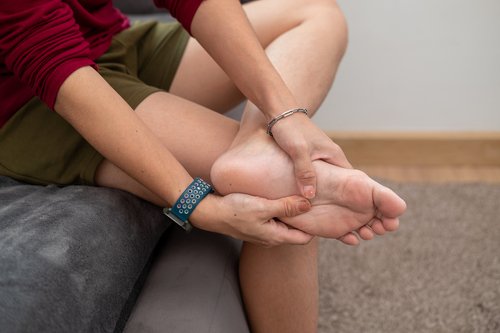
Because the feet are farthest from the heart, they are often the first place circulation issues in feet appear.
Signs may include:
• cold toes
• tingling
• numbness
• slow healing of cuts or sores
These symptoms can indicate reduced blood flow to the lower extremities.
5. Leg Fatigue or Heaviness
Poor circulation in the legs may cause a feeling of heaviness or fatigue after standing or walking for long periods.
This can sometimes occur when blood flow through the veins is not returning efficiently to the heart.
6. Slow Wound Healing
Healthy circulation helps deliver oxygen and nutrients needed for tissue repair.
When circulation slows, cuts or bruises may take longer to heal.
7. Skin Color Changes of Poor Circulation
Skin may appear pale, bluish, or slightly purple when circulation becomes limited.
These color changes often appear in:
• fingers
• toes
• lips
• nail beds
8. Muscle Cramps
Reduced circulation may contribute to muscle cramps or discomfort, especially in the legs.
Muscles rely on steady blood flow to receive oxygen and remove waste products.
9. Brain Fog or Fatigue
Circulation also affects oxygen delivery to the brain. When oxygen levels decline, some people experience fatigue, poor concentration, or mental fog.
10. Cold or Discolored Fingernails
Changes in fingernail color can sometimes reflect reduced blood flow and oxygen delivery.
Bluish or pale nail beds may be a clue that circulation is not optimal.
Possible Causes of Poor Circulation
There are many reasons why circulation may become less efficient.
Common contributors include:
• sedentary lifestyle
• dehydration
• aging blood vessels
• nutritional imbalances
• circulation disorders affecting the veins or arteries
Addressing these factors can often help support better blood flow.
Natural Ways to Support Healthy Circulation
Improving circulation often begins with simple lifestyle habits. Some alternative approaches focus on how compounds like DMSO interact with circulation and tissue movement
Circulation Exercises
Regular movement helps stimulate blood flow throughout the body. Walking, stretching, and light exercise can support healthy circulation, especially in the legs.
Circulation Foods
Certain foods may help support circulation and blood vessel health, including:
• leafy greens
• berries
• citrus fruits
• beets
• garlic
Circulation Herbs and Teas
Some traditional herbs and circulation tea blends have been used to support healthy blood flow.
Examples include:
• ginger
• ginkgo
• cayenne
• hawthorn
Circulation Vitamins
Nutrients such as magnesium, vitamin C, and B vitamins play important roles in vascular health and circulation.
When to Pay Attention to Poor Circulation Symptoms
Occasional cold hands or feet may simply reflect temporary circulation changes.
However, persistent symptoms such as numbness, color changes, or ongoing pain should be evaluated by a healthcare professional.
Recognizing early circulation changes can help you take proactive steps toward supporting your health. If you experience dizziness or balance issues, your environment becomes even more important. See how to improve bathroom safety at home.
As always, please feel free to contact me with questions or comments.
About the Author
Pamela M. Rumley, ND is a Doctor of Naturopathy and natural health educator who writes about circulation, nutrition, oxygen delivery, and practical wellness strategies. She previously operated a natural health clinic where she worked directly with clients and studied techniques such as darkfield microscopy to observe live blood samples. Today she focuses on research, writing, and education to help readers better understand how the body works and how lifestyle choices can support long-term wellness.
Credentials
- Doctor of Naturopathy – Trinity School of Natural Health
• Master Herbalist – Dr. Christopher School of Natural Healing
• Certified Natural Health Professional – National Association of Certified Natural Health Professionals
• Former Natural Health Clinic Practitioner
• Training in Darkfield Microscopy and Live Blood Analysis
Learn more at PamRumley.com
Frequently asked questions about Poor Circulation
What are the most common circulation problems symptoms?
Common circulation problems symptoms include cold hands and feet, numbness or tingling in the fingers or toes, fatigue in the legs, slow wound healing, and changes in skin color. Because circulation carries oxygen and nutrients throughout the body, reduced blood flow may affect many different tissues.
What causes poor circulation?
There are many possible reasons for poor circulation. A sedentary lifestyle, dehydration, aging blood vessels, nutritional deficiencies, and certain circulation disorders can all contribute to reduced blood flow. Poor circulation is often noticed first in the hands, feet, and legs.
How can I improve circulation naturally?
There are several natural ways to support healthy circulation. Regular movement, hydration, and circulation exercises such as walking or stretching can help stimulate blood flow. Some people also find that circulation foods, herbs, and proper nutrition support vascular health over time.
What foods help improve circulation?
Certain foods are often associated with supporting healthy blood circulation. These include leafy greens, berries, citrus fruits, garlic, ginger, and beets. These foods contain nutrients that may support blood vessel health and circulation.
What vitamins help circulation?
Some nutrients play important roles in vascular health and circulation. Circulation vitamins often discussed include vitamin C, magnesium, B vitamins, and vitamin E. These nutrients help support blood vessel function and overall circulation.
Can exercise improve blood circulation?
Yes. Regular physical activity is one of the most effective ways to improve circulation. Activities such as walking, stretching, and gentle circulation exercises help move blood through the body and support healthy blood flow in the legs and extremities.
What are natural remedies for poor circulation?
Natural approaches that may help support circulation include regular movement, hydration, circulation herbs, warm baths, massage, and maintaining a balanced diet. Some people also use circulation teas made with herbs like ginger or hawthorn to support blood flow.
Why does poor circulation often affect the hands and feet first?
The hands and feet are the farthest parts of the body from the heart, so they are often the first areas where circulation changes become noticeable. Reduced blood flow may cause cold fingers, numbness, tingling, or pale skin in these areas.
When should circulation symptoms be checked by a doctor?
Occasional cold hands or feet may not be a serious concern. However, persistent symptoms such as severe pain, ongoing numbness, swelling, or skin color changes should be evaluated by a healthcare professional to rule out underlying circulation disorders.
Final Thoughts
Healthy circulation is essential for delivering oxygen, nutrients, and energy throughout the body.
By paying attention to circulation symptoms, including changes in the hands, feet, skin, or energy levels, you may notice early clues that blood flow needs attention.
Simple lifestyle habits, regular movement, proper nutrition, and hydration can often help support healthy circulation and blood flow over time.
Related Article: What Red Blood Cells Do in the Body
Pam Rumley, N.D., studied natural health through Dr. Christopher’s School of Natural Healing and focuses on practical home-based wellness strategies.