Tongue Health Signs | What Your Tongue May Be Telling You About Your Health
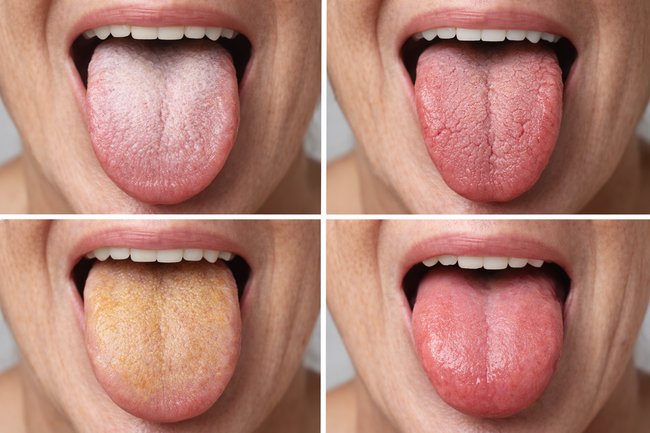
The body has many subtle ways of signaling when something may be out of balance. One of the most overlooked — yet surprisingly informative — indicators is the tongue.
Changes in tongue health, color, coating, or texture can sometimes reflect shifts in digestion, hydration, mineral status, and overall wellness.
Many traditional healing systems have long looked at the tongue as a window into the body. Even today, noticing changes such as discoloration, cracks, or a white coating may offer clues worth paying attention to.
Of course, the tongue cannot diagnose disease. But it can provide useful health signs that encourage us to look more closely at our health and lifestyle.
Let’s explore some of the most common changes and what they may mean.
Discoloration: What Different Colors May Mean
One of the first things people notice is tongue discoloration. A healthy tongue typically appears pink and moist, with a thin, light coating.
When color changes occur, they may signal shifts in the body.
Examples include:
• White coating
• Yellowish tint
• Pale
• Red or irritated appearance
These changes can sometimes be linked to:
• digestion changes
• hydration levels
• oral bacteria balance
• nutrient status
A coated or discolored tongue does not necessarily indicate a serious problem, but persistent changes may be worth investigating.
White Tongue: What Does It Mean?
A white tongue is one of the most common tongue issues people notice.
When people search for tongue white meaning or wonder why it‘s white, it often relates to a coating that appears across the surface of the tongue.
This coating may be associated with:
• oral bacteria buildup
• dry mouth
• dehydration
• digestive imbalance
• certain medications
Sometimes white spots may also appear, which can occur when debris, bacteria, and dead cells collect between the small bumps on the tongue.
Maintaining good oral hygiene and staying hydrated often helps improve this common tongue condition.
Cracks or Fissures
Another frequent concern is cracks.
These grooves or lines may run across the surface of the tongue and can vary from shallow to deeper fissures.
Many people notice these changes over time and search for answers related to fissures or cracks in the tongue.
Possible contributing factors include:
• aging
• dehydration
• vitamin or mineral imbalance
• chronic dryness of the mouth
In many cases, these cracks are harmless. However, keeping the tongue clean and the body well hydrated may help prevent irritation from debris collecting in the grooves.
Yellow or Coated Tongue
A yellow or thick coating can sometimes occur when bacteria or debris build up on the tongue’s surface.
People often search phrases like tongue yellow and white when they notice a combination of discoloration and coating.
Possible contributors may include:
• smoking
• dehydration
• certain foods or medications
• bacterial overgrowth in the mouth
Gentle tongue brushing and good oral hygiene may help reduce buildup and support healthier tongue appearance.
Irritation or Sensitivity
Some people experience tongue irritation, burning, or tenderness.
This may cause the tongue to feel uncomfortable or inflamed.
Common triggers for irritation can include:
• acidic foods
• oral dryness
• nutritional imbalances
• sensitivity reactions
Paying attention to dietary triggers and supporting overall oral health may help reduce ongoing irritation.
When it Feels Swollen
Another symptom people sometimes notice is when the tongue feels swollen or enlarged.
This sensation can occur when it presses against the teeth or feels unusually full in the mouth.
Possible factors may include:
• dehydration
• inflammation
• food sensitivities
• mineral imbalance
If swelling is sudden or severe, medical evaluation may be important.
Supporting Healthy Function
Maintaining healthy habits can support oral balance.
Helpful steps may include:
• drinking adequate water
• brushing or gently cleaning the tongue
• supporting digestion and mineral balance
• maintaining regular dental hygiene
These simple practices can help keep the surface healthy and reduce many common issues.
Please feel free to contact me with questions or comments.
About the Author
Pamela M. Rumley, ND is a Doctor of Naturopathy and natural health educator who writes about circulation, nutrition, oxygen delivery, and practical wellness strategies. She previously operated a natural health clinic where she worked directly with clients and studied techniques such as darkfield microscopy to observe live blood samples. Today she focuses on research, writing, and education to help readers better understand how the body works and how lifestyle choices can support long-term wellness.
Credentials
- Doctor of Naturopathy – Trinity School of Natural Health
• Master Herbalist – Dr. Christopher School of Natural Healing
• Certified Natural Health Professional – National Association of Certified Natural Health Professionals
• Former Natural Health Clinic Practitioner
• Training in Darkfield Microscopy and Live Blood Analysis
Learn more at PamRumley.com
Frequently Asked Questions
What does a white tongue mean?
A white coating on the tongue is one of the most common tongue health changes people notice. In many cases, it occurs when bacteria, debris, and dead cells collect between the small bumps (papillae) on the surface.
A white tongue can sometimes be related to dehydration, dry mouth, oral bacteria imbalance, or digestive changes. Gentle cleaning and good hydration may help restore a healthier appearance.
Why does it have cracks or fissures?
Cracks or grooves in the tongue — often called a cracked tongue or tongue fissures — are fairly common, especially with aging.
These grooves can vary in depth and may become more noticeable when the body is dehydrated or when debris collects inside the small folds of the tongue. Keeping the mouth well hydrated and maintaining good oral hygiene may help reduce irritation.
What causes discoloration?
Tongue discoloration can occur for a variety of reasons. It may appear pale, red, yellow, or coated depending on hydration levels, oral bacteria balance, diet, and overall health.
Temporary discoloration can also occur after certain foods, beverages, or medications. Persistent changes in color are worth paying attention to, especially if they occur alongside other symptoms.
Why does it sometimes feel swollen?
When the tongue feels swollen, it may create a sensation that the tongue is pressing against the teeth or feels larger than usual.
This can sometimes occur due to inflammation, dehydration, food sensitivities, or irritation of the tongue tissue. If swelling is sudden or severe, medical evaluation may be appropriate.
What does a healthy tongue look like?
A healthy tongue typically appears pink, moist, and evenly textured, with a thin, light coating on the surface.
While small variations in appearance are normal, noticeable changes in color, coating, or texture can sometimes serve as early clues that the body may need additional support.
Can the tongue really reflect overall health?
Many traditional healing systems have long viewed the tongue as a reflection of internal balance.
While the tongue alone cannot diagnose disease, changes such as discoloration, coating, cracks, or irritation can sometimes provide clues that encourage us to pay closer attention to hydration, nutrition, digestion, and overall wellness.
Listening to the Body’s Clues
The body often gives small signals long before larger health concerns appear.
Changes— whether tongue discoloration, cracks, irritation, or a white coating — may be one of those early clues.
By paying attention to these subtle signals, we gain the opportunity to support our health earlier and more naturally.
Sometimes the smallest clues from the body can lead us to the most meaningful improvements in overall wellness.
As always, please contact me with questions or comments.
Related articles:
- Red Blood Cells – What they Do and Why Size Matters
- Are you Iodine Deficient?
- 15 Signs Your Body May Be Low in Oxygen
- Cold Hands and Feet after 50
Pam Rumley, N.D., studied natural health through Dr. Christopher’s School of Natural Healing and focuses on practical home-based wellness strategies.