
Revive the Lost Skill of Repairing (And Why It Still Matters)
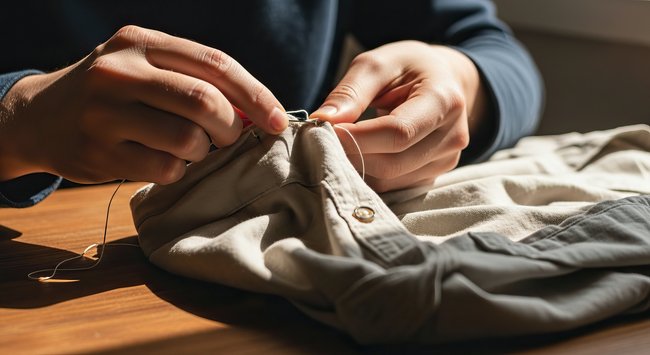
There was a time when fixing things wasn’t a special skill — Repairing was simply part of daily life. It was just part of living a self-sufficient lifestyle!
If something broke, you didn’t automatically replace it. You looked at it. You tried to understand what had gone wrong. You adjusted, patched, tightened, or improvised until it worked again — even if it wasn’t perfect. My $35 tomato illustrates this well – when something doesn’t work – go to plan B.
Make-Do Living keeps that mindset alive, not out of nostalgia, but because it still works.
Repairing Was Once Just Common Sense
Repairs used to be small, ordinary acts:
-
sewing a tear instead of buying new
-
tightening a loose hinge
-
patching instead of replacing
-
making something “good enough” until it truly wore out
People weren’t trying to be thrifty heroes — they were simply practical.
Today, convenience has replaced capability. The default response to a problem is often replacement, not repair.
Helpful to have on hand:
-
basic screwdriver set
-
adjustable wrench
-
pliers
-
small hammer
-
duct tape or electrical tape
You don’t need a workshop — just tools that allow you to try.

Why Repair Skills Matter More Than Ever
Modern systems are efficient — but fragile.
When replacements aren’t immediately available, the ability to repair becomes valuable again. And most useful repairs don’t require advanced skills — just familiarity and willingness.
Repair skills build:
-
patience
-
problem-solving
-
adaptability
-
confidence
These lessons extend far beyond the item being fixed.
Helpful to have on hand:
-
extra screws and nails

-
picture-hanging hardware
-
wood glue
-
sandpaper
-
a small flashlight

These aren’t perfection tools — they’re learning tools.
Repairs Don’t Have to Be Perfect to Be Useful
One of the biggest barriers to repairing things is the belief that it must be done “right” or not at all.
Make-Do Living accepts something simpler:
Functional beats flawless.
A patched chair that holds weight still works.
A mended seam that doesn’t match still closes the gap.
A temporary fix that buys time still has value.
Helpful to have on hand:
-
sewing needles and thread
-
safety pins
-
fabric patches
-
super glue
-
zip ties
These fix more things than people expect.
Learning to Fix Builds Confidence
Every small repair builds confidence:
-
confidence to try
-
confidence to learn
-
confidence to adapt when instructions don’t quite apply
That confidence carries into other areas of life. Once you’ve fixed something yourself, future problems feel less overwhelming.
This is how Make-Do Living quietly strengthens people over time.
Helpful to have on hand:
-
twine or cord
-
rubber bands
-
scrap wood or cardboard
-
old towels or rags
Improvisation grows from familiarity, not equipment.
Start Small — That’s How It Sticks
You don’t need to fix everything to be capable.
Start with:
-
tightening loose screws
-
reattaching handles
-
patching instead of replacing
-
testing adjustments before discarding
Each small success builds momentum.
The goal isn’t mastery.
The goal is comfort with trying.
Why Screws Are Never the Same
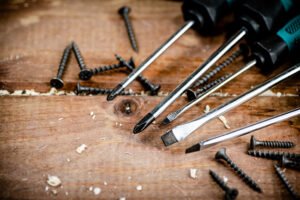
At some point, someone decided that one type of screw was not nearly confusing enough. So now we have flat, Phillips, square, star, hex — and each of those comes in several sizes, just to keep things interesting. No matter which screwdriver you grab first, it will always be the wrong one. That’s practically a law of nature. This isn’t carelessness on your part — it’s just how things are made now. The practical solution is simple: keep a small assortment of screwdriver bits or a few different screwdrivers on hand. When the right one is within reach, a “five-minute fix” stays a five-minute fix instead of turning into a reason to give up and walk away.
Repairing what you already have isn’t about refusing progress or living in the past.
It’s about remembering that you’re capable of more than replacement culture suggests.
Every repair — no matter how small — reinforces the Make-Do mindset: that you can adapt, adjust, and keep going even when things don’t work perfectly the first time.
As always, please feel free to contact me with any comments or questions you have.

read what he said
[url=https://battery-online-game.com/aviator]battery aviator game download[/url]
useful site
[url=https://battery-online-game.com/login]battery login[/url]
click for more
[url=https://battery-online-game.com/chicken-road]chicken road[/url]