Normal Oxygen Levels by Age – What the SpO2 Numbers Mean

Oxygen plays a critical role in every cell in the body. From energy production to brain function, the amount of oxygen carried through the bloodstream can influence how you feel day to day. Normal oxygen levels are critically important as you age.
Many people don’t think about their oxygen levels until they experience symptoms like fatigue, brain fog, or shortness of breath. Understanding what normal oxygen levels look like—and what may cause them to change—can help you better recognize the signals your body is giving you.
What You’ll Learn in This Article
In this article you will learn:
• What oxygen saturation (SpO2) means
• Normal oxygen levels by age
• Signs your oxygen levels may be low
• Factors that affect oxygen delivery
• Simple ways to support healthy oxygen levels
What Is Oxygen Saturation (SpO2)?
Oxygen saturation, often written as SpO2, refers to the percentage of oxygen being carried by red blood cells in the bloodstream.
A small device called a pulse oximeter is commonly used to measure this level by placing it on a fingertip.
Healthy oxygen levels are important because red blood cells deliver oxygen to tissues throughout the body, supporting:
- energy production
- brain function
- muscle performance
- organ health
Normal Oxygen Levels by Age
For most healthy individuals, oxygen saturation levels fall within a fairly consistent range.
Typical SpO2 Ranges
- Children: 95–100%
- Adults: 95–100%
- Older adults: often 94–99%
Levels below 90% are generally considered low and may require medical attention.
It’s also important to note that slight variations can occur depending on:
- altitude
- overall health
- lung function
- circulation
Signs Your Oxygen Levels May Be Low
When the body is not receiving enough oxygen, certain symptoms may begin to appear.
These may include:
- fatigue or low energy
- brain fog or difficulty concentrating
- shortness of breath
- dizziness
- headaches
- cold hands and feet
- bluish tint to lips or fingernails (in more severe cases)
These symptoms can have many possible causes, but they are often discussed in connection with oxygen delivery and circulation. Cold hands and feet are sometimes linked to circulation and oxygen flow. Learn more about what causes cold hands and feet and what they may mean.
Why Oxygen Delivery Matters
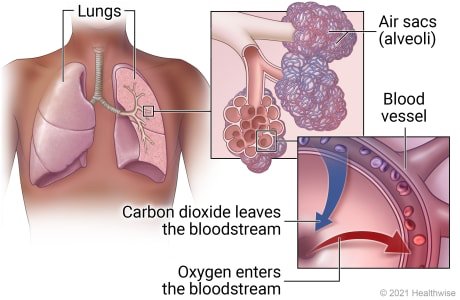
Oxygen levels are closely tied to how well blood is able to carry and deliver oxygen throughout the body. Oxygen enters the bloodstream through tiny air sacs in the lungs called alveoli, where gas exchange takes place between the lungs and the blood.
Several systems work together:
- the lungs bring oxygen into the body
- red blood cells carry oxygen
- circulation delivers oxygen to tissues
If any part of this process is affected, the body may not receive the oxygen it needs efficiently. If oxygen delivery is reduced, symptoms like fatigue and brain fog may appear. This article explains how oxygen delivery affects energy and brain function.
Factors That Can Affect Oxygen Levels
Several factors may influence oxygen saturation:
Circulation
Reduced blood flow can limit oxygen delivery to tissues.
Red Blood Cell Health
The size, shape, and number of red blood cells affect how oxygen is transported. Oxygen levels are closely connected to how red blood cells carry oxygen throughout the body. Learn more about how red blood cells support oxygen delivery.
Breathing Patterns
Shallow breathing may reduce oxygen intake.
Altitude
Higher elevations have lower oxygen levels in the air.
Overall Health
Certain conditions affecting the lungs or heart can impact oxygen levels.
Simple Habits That Support Healthy Oxygen Levels
Supporting oxygen delivery often involves maintaining overall health and circulation. Circulation plays a major role in how oxygen reaches your tissues. This guide explains the common signs of poor circulation you shouldn’t ignore.
Helpful habits may include:
- regular movement and walking
- maintaining good posture
- practicing deep breathing
- staying well hydrated
- eating a balanced diet with essential nutrients
These habits support the body’s natural processes involved in oxygen transport.
Final Thoughts about Normal Oxygen Levels
Oxygen saturation is an important indicator of how well the body is delivering oxygen to its tissues. While small variations are normal, consistently low oxygen levels may signal an underlying issue.
By understanding normal oxygen ranges and recognizing potential symptoms, you can better interpret the signals your body is giving you and take steps to support overall health.
About the Author
Pamela M. Rumley, ND is a Doctor of Naturopathy and natural health educator who writes about circulation, nutrition, oxygen delivery, and practical wellness strategies. She previously operated a natural health clinic where she worked directly with clients and studied techniques such as darkfield microscopy to observe live blood samples. Today she focuses on research, writing, and education to help readers better understand how the body works and how lifestyle choices can support long-term wellness.
Credentials
- Doctor of Naturopathy – Trinity School of Natural Health
• Master Herbalist – Dr. Christopher School of Natural Healing
• Certified Natural Health Professional – National Association of Certified Natural Health Professionals
• Former Natural Health Clinic Practitioner
• Training in Darkfield Microscopy and Live Blood Analysis
Learn more at PamRumley.com