
The Hidden Thread Behind Fatigue, Inflammation, and Chronic Illness
Most people think of oxygen as something you either have or don’t. You breathe, your lungs work, and that box is checked.
But for many people who feel chronically tired, inflamed, foggy, or slow to heal, the issue isn’t breathing at all. It’s delivery.
Oxygen has to reach your cells efficiently for your body to function, repair, and regulate itself. When that process breaks down—even slightly—the effects can ripple through nearly every system in the body. Wellness support designed for older adults gets more critical as we age. Perhaps we just think about it more?
Hypoxemia at the cellular level is rarely dramatic or obvious. Instead, it shows up quietly, over time, as symptoms that are often dismissed or treated in isolation. I’ve heard it said many times that low oxygen is usually a factor in cancer. Cells must have oxygen to live.

What “Low Oxygen” Really Means
It doesn’t usually mean you’re gasping for air or turning blue. In most cases, it means your cells are not receiving or using oxygen efficiently, even though you’re breathing just fine.
Oxygen delivery depends on several interconnected factors:
-
Healthy red blood cells to carry oxygen
-
Clear circulation so oxygen can reach tissues
-
Balanced inflammation so blood vessels stay open
-
Functional mitochondria to use oxygen for energy
When any one of these systems is stressed, oxygen availability at the cellular level can drop—even if standard tests look “normal.”
Red Blood Cells: The Oxygen Delivery System
Oxygen doesn’t move freely through your body on its own. It rides on red blood cells.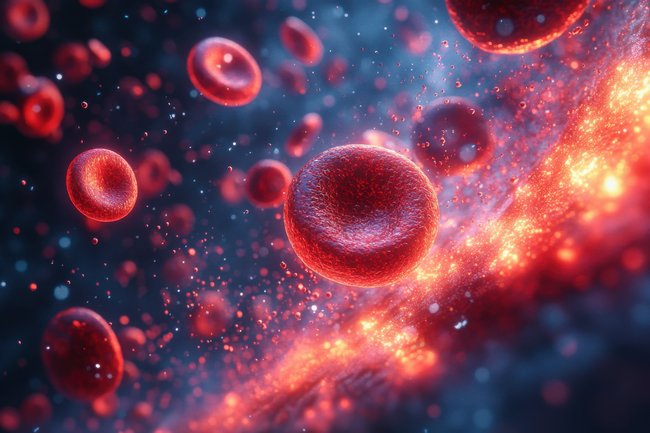
If red blood cells are:
-
too low
-
damaged
-
poorly formed
-
or unable to release oxygen efficiently
…then oxygen delivery suffers.
This is why issues related to iron balance, B12, copper, and chronic inflammation can have such wide-ranging effects. Red blood cells are not just about anemia—they’re central to energy, healing, and resilience.
How Inflammation Blocks Oxygen Flow
Inflammation is one of the most common and least discussed barriers to oxygen delivery.
When inflammation is present:
-
blood vessels narrow
-
circulation slows
-
blood becomes thicker or more sluggish
-
oxygen exchange becomes less efficient
This helps explain why people with chronic inflammation often feel exhausted even when they are “doing everything right.”
Inflammation doesn’t just cause pain—it interferes with oxygen’s ability to reach the tissues that need it most.
Oxygen and Energy Production
Inside each cell are mitochondria—the structures responsible for producing energy. Oxygen is a key part of that process.
When oxygen delivery is compromised:
-
energy production drops
-
repair slows
-
waste builds up
-
fatigue increases
This creates a cycle where low energy leads to less movement, which further reduces circulation and oxygen delivery.
It’s not laziness. It’s physiology.

Nutrients That Quietly Support Oxygenation
Some nutrients don’t get much attention, but they play an important role in oxygen delivery and utilization:
-
Magnesium helps blood vessels relax, improving circulation
-
Iodine supports metabolic activity at the cellular level
-
Iron is necessary for hemoglobin—but only when truly deficient
-
Copper helps regulate iron metabolism and red blood cell formation
Imbalances—not just deficiencies—can interfere with oxygen transport.
Everyday Habits That Reduce Oxygen Use
Oxygen delivery is also affected by simple daily habits:
-
Shallow breathing caused by stress
-
Sitting for long periods
-
Poor posture that restricts the rib cage
-
Dehydration that thickens the blood
-
Limited sunlight and fresh air
These factors don’t cause immediate illness, but over time they can quietly reduce oxygen availability where it matters most.
Why “Normal” Tests Don’t Tell the Whole Story
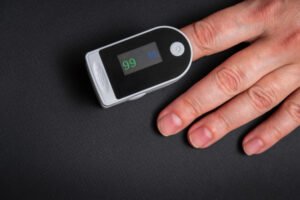
Standard medical tests often look at oxygen saturation in the blood—not whether oxygen is reaching and being used by the cells.
That’s why someone can be told everything looks fine while still feeling unwell.
Diminished cellular oxygen isn’t always a diagnosis. It’s often a missing piece. For better health, I personally use a Brown’s Gas machine that delivers 33% oxygen and 66% hydrogen to the body.
A Broader View of Healing
Healing isn’t just about adding supplements or treating symptoms. It’s about restoring the conditions the body needs to repair itself.
Oxygen is one of those conditions.
When oxygen delivery improves:
-
inflammation often calms
-
energy becomes more consistent
-
tissues repair more efficiently
The body doesn’t need to be forced—it needs to be supported.
This isn’t a dramatic emergency for most people. It’s a quiet, underlying stress that accumulates over time.
Understanding how oxygen works—how it’s delivered, blocked, or underutilized—can change the way we think about fatigue, inflammation, and chronic issues.
True wellness often begins not with what we add, but with how well our bodies can use what’s already there. As always, please contact me with questions or comments.
About the Author
Pamela M. Rumley, ND is a Doctor of Naturopathy and natural health educator who writes about circulation, nutrition, oxygen delivery, and practical wellness strategies. She previously operated a natural health clinic where she worked directly with clients and studied techniques such as darkfield microscopy to observe live blood samples. Today she focuses on research, writing, and education to help readers better understand how the body works and how lifestyle choices can support long-term wellness.
Credentials
- Doctor of Naturopathy – Trinity School of Natural Health
• Master Herbalist – Dr. Christopher School of Natural Healing
• Certified Natural Health Professional – National Association of Certified Natural Health Professionals
• Former Natural Health Clinic Practitioner
• Training in Darkfield Microscopy and Live Blood Analysis
Learn more at PamRumley.com
Pam Rumley, N.D., studied natural health through Dr. Christopher’s School of Natural Healing and focuses on practical home-based wellness strategies.

Affiliate notice