
Iodine Deficiency? What You Need to Know About this Overlooked Mineral

Iodine: Health Benefits, Deficiency Signs, and Practical Uses
Iodine is one of the most important trace minerals for human health, yet many people today have low iodine levels without realizing it. This essential nutrient plays a central role in thyroid function, metabolism, hormone balance, and overall wellness.
Historically, iodine deficiency was common enough that governments began adding iodine to salt to help protect public health. While this helped reduce severe deficiency, modern dietary changes and the popularity of non-iodized salts have caused iodine intake to drop again for many people.
Beyond nutrition, iodine has also been valued for generations for its antiseptic properties, wound care support, and emergency uses such as water purification.
In this article, we’ll explore what iodine does in the body, the health benefits of iodine supplements, how to recognize deficiency, and several traditional iodine uses that have stood the test of time.
What You’ll Learn in This Article
In this guide, we will cover:
-
What iodine does in the body
-
The most important iodine supplement benefits
-
Common iodine deficiency causes and symptoms
-
Natural food sources of iodine
-
Practical iodine uses such as antiseptic wound care and water purification
-
Iodine supplement safety, side effects, and toxicity concerns
-
Answers to common questions like why iodine is added to salt
-
What Does Iodine Do in the Body?
One of the most important roles of iodine is supporting the thyroid gland. The thyroid uses iodine to produce hormones that regulate metabolism, energy levels, temperature regulation, and growth.
Without enough iodine, the body cannot produce adequate thyroid hormones. This can lead to low thyroid activity and many related health issues.
Some of the key functions of iodine include:
-
Supporting thyroid hormone production
-
Helping regulate metabolism
-
Supporting brain development and cognitive function
-
Maintaining healthy skin and immune function
-
Supporting hormone balance
Because iodine affects so many systems in the body, even mild iodine deficiency can have noticeable effects on health.
-
-

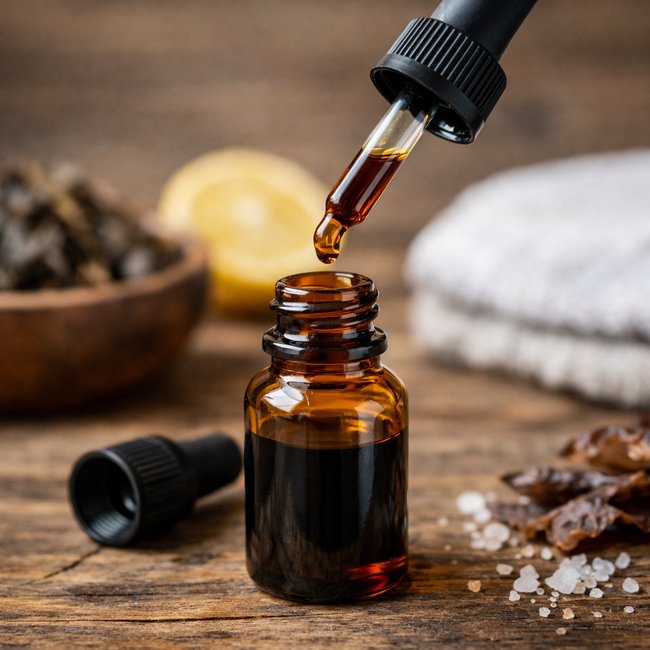
Lugol’s iodine drops are a traditional iodine supplement often used to support thyroid health and help address iodine deficiency.
Health Benefits of Iodine Supplements
Many people turn to iodine supplements when their dietary intake is low. When used appropriately, iodine supplements may offer several potential benefits.
Thyroid Support
The most well-known iodine supplement benefit is supporting healthy thyroid function. Adequate iodine allows the thyroid to produce hormones that regulate metabolism and energy.
Improved Energy and Metabolism
When thyroid hormones are balanced, the body can maintain healthy metabolism, which supports energy production and weight regulation.
Brain and Cognitive Support
Iodine plays an important role in brain development and neurological function. Adequate iodine levels are particularly important for pregnant women and growing children.
Hormonal Balance
Some practitioners believe iodine may support hormone balance, particularly for breast and reproductive health in women, although research is still evolving.
Benefits of Iodine for Women
Iodine is especially important for women due to its connection to hormone regulation and reproductive health.
Potential benefits for women include:
-
Supporting thyroid balance
-
Supporting healthy breast tissue
-
Supporting metabolism and energy levels
-
Supporting healthy pregnancy and fetal development
Because pregnancy increases iodine needs, healthcare providers often recommend iodine supplementation during pregnancy.
Benefits of Iodine for Men
While iodine is often discussed in relation to women’s health, men benefit equally from adequate iodine intake.
Potential benefits for men include:
-
Supporting thyroid and metabolism
-
Supporting energy and mental clarity
-
Supporting immune health
-
Supporting hormone balance
Both men and women can experience fatigue, brain fog, or metabolic changes if iodine levels are too low.
-
“This is not a short video—and it isn’t meant for everyone. But if you’ve struggled with thyroid problems, unexplained fatigue, brain fog, hormonal imbalance, or have been told ‘your labs are normal’ while you still don’t feel well, this conversation may be worth your time. In this in-depth talk, an English physician explains the often-overlooked role of iodine in human health, why deficiency has become more common, and how modern diets may be quietly undermining thyroid function. Because iodine can be powerful and highly individual in its effects, it’s wise to work with a knowledgeable healthcare practitioner who understands iodine and thyroid physiology before making changes to supplementation.”
Iodine vs Nascent Iodine: What’s the Difference?
There are many forms of iodine supplements, but two of the most common are potassium iodide and nascent iodine.
Potassium Iodide (KI):
-
Found in tablets and drops
-
Used in emergencies for radiation exposure
-
Less bioavailable for everyday use
Nascent Iodine:
-
A more bioavailable, atomic form of iodine
-
Mimics the iodine your body naturally produces
-
Absorbed faster and more efficiently
-
Preferred for daily supplementation, detox, and thyroid support
Bottom line: For daily health, nascent iodine is often gentler and better absorbed.
Signs of Iodine Deficiency
Iodine deficiency can develop slowly and may be mistaken for other health issues.
Common signs of low iodine levels may include:
-
Fatigue
-
Brain fog
-
Weight gain
-
Dry skin
-
Hair thinning
-
Sensitivity to cold
-
Thyroid enlargement (goiter)
Because these symptoms overlap with other conditions, a healthcare provider may recommend an iodine deficiency test or thyroid evaluation.
Causes of Iodine Deficiency
Several factors can contribute to iodine deficiency today.
Common causes include:
-
Avoiding iodized salt
-
Diets low in seafood or sea vegetables
-
Consumption of non-iodized salts such as Himalayan or sea salt
-
Soil depletion in certain regions
-
Increased needs during pregnancy
Many people assume sea salt contains iodine, but most natural sea salts contain very little iodine unless it is added.
Best Food Sources of Iodine
Fortunately, iodine can be obtained naturally from several foods.
Some of the best foods for iodine include:
-
Seaweed (kelp, nori, wakame)
-
Fish and seafood
-
Dairy products
-
Eggs
-
Iodized salt
A common question people ask is how much iodine is in eggs. While eggs do contain iodine, they usually provide only a moderate amount compared to seafood and sea vegetables.
Common Iodine Uses Beyond Nutrition

Iodine has long been used for more than just dietary support. Its antimicrobial properties make it useful in several practical applications.
Antiseptic Wound Care
One of the most common iodine uses is as an antiseptic for wound care. Iodine solutions can help disinfect minor cuts and scrapes and prevent infection.
Iodine Mouth Rinse
Diluted iodine solutions are sometimes used as a mouth rinse to help reduce bacteria in the mouth and support oral hygiene.
Water Purification
In emergency situations, iodine tablets or solutions can be used for water purification to kill harmful microorganisms.
Iodine Skin Test
Some people use an iodine skin test as a rough method to estimate iodine status, although it is not considered a reliable diagnostic test.
Lugol’s Iodine and Iodine Drops
One of the most well-known iodine supplements is Lugol’s iodine, a solution containing iodine and potassium iodide dissolved in water.
Lugol’s iodine and other iodine drops are sometimes used for:
-
Supporting thyroid health
-
Emergency water purification
-
Antiseptic applications
However, because iodine is powerful, it is important to use supplements carefully and follow appropriate dosing guidance.
Iodine Side Effects, Toxicity, and Overdose
While iodine is essential, too much iodine can also cause problems.
Possible iodine side effects may include:
-
Digestive upset
-
Thyroid dysfunction
-
Skin irritation
In extreme cases, excessive iodine intake can lead to iodine toxicity or overdose symptoms.
Potential iodine overdose symptoms include:
-
Burning in the mouth or throat
-
Nausea or vomiting
-
Abdominal pain
-
Metallic taste
Because iodine directly affects thyroid function, it’s important to avoid excessive intake without medical guidance.
Why Iodine Is Added to Salt
One of the most frequently asked questions is why iodine is added to salt.
In the early 20th century, iodine deficiency caused widespread thyroid enlargement and developmental problems in certain regions. Public health officials discovered that adding iodine to salt was an inexpensive and effective way to prevent deficiency.
Iodized salt dramatically reduced iodine deficiency worldwide, although many people today consume non-iodized specialty salts instead.
About the Author
Pamela M. Rumley, ND is a Doctor of Naturopathy and natural health educator who writes about circulation, nutrition, oxygen delivery, and practical wellness strategies. She previously operated a natural health clinic where she worked directly with clients and studied techniques such as darkfield microscopy to observe live blood samples. Today she focuses on research, writing, and education to help readers better understand how the body works and how lifestyle choices can support long-term wellness.
Credentials
- Doctor of Naturopathy – Trinity School of Natural Health
• Master Herbalist – Dr. Christopher School of Natural Healing
• Certified Natural Health Professional – National Association of Certified Natural Health Professionals
• Former Natural Health Clinic Practitioner
• Training in Darkfield Microscopy and Live Blood Analysis
Learn more at PamRumley.com
Frequently Asked Questions About Iodine
Why is iodine important for the body?
Iodine is essential for producing thyroid hormones that regulate metabolism, energy levels, and body temperature. Without enough iodine, the thyroid cannot function properly, which may lead to fatigue, weight gain, and other metabolic problems.
What are the signs of iodine deficiency?
Common iodine deficiency symptoms may include fatigue, brain fog, dry skin, hair thinning, and sensitivity to cold. In more severe cases, iodine deficiency can cause thyroid enlargement known as goiter.
What foods contain iodine?
Some of the best food sources of iodine include:
-
Seaweed
-
Fish and seafood
-
Dairy products
-
Eggs
-
Iodized salt
Sea vegetables such as kelp are among the richest natural sources of iodine.
Why is iodine added to salt?
Iodine was added to salt in the early 1900s to prevent widespread iodine deficiency. At that time, many people developed thyroid problems due to low iodine intake. Iodized salt helped dramatically reduce these deficiencies.
Is iodine found in sea salt or Himalayan salt?
Most sea salts and Himalayan salts contain very little natural iodine unless iodine is added during processing. This is one reason some people may develop iodine deficiency if they replace iodized salt with specialty salts.
Can you take too much iodine?
Yes. While iodine is essential, excessive iodine intake can cause thyroid problems. Very high doses may lead to iodine toxicity or symptoms such as nausea, stomach upset, or thyroid imbalance.
What is Lugol’s iodine used for?
Lugol’s iodine is a solution containing iodine and potassium iodide. It has been used historically for thyroid support, antiseptic applications, and emergency water purification.
How much iodine is in eggs?
Eggs contain a moderate amount of iodine, typically around 20–25 micrograms per egg, depending on the diet of the chickens. While eggs contribute to iodine intake, seafood and sea vegetables are generally richer sources.
Related Articles on Natural Health
Then list:
Final Thoughts
Iodine is a small nutrient with a big impact on health. From supporting thyroid function and metabolism to serving as a traditional antiseptic and emergency water purifier, iodine has many important uses.
Understanding iodine deficiency, food sources, and supplement safety can help people make informed decisions about their health.
For those interested in natural health approaches, iodine remains one of the most fascinating and versatile trace minerals.
If you’re iodine deficient – you might be surprised how quickly it responds to what it’s been missing all along. Another nutrient that is often overlooked is DMSO – be sure to learn about the awesome benefits.
Related article: Tongue Health Signs | What Your Tongue May Be Telling You About Your Health
Please contact me with any questions or comments. Be sure to browse more helpful articles in this website.

Pingback: 7 Reasons Oxygen Delivery Declines After 50 (And What You Can Do About It) |
Pingback: Red Blood Cells - What They Do & Why Size Matters |
Pingback: Magnesium for Seniors | Benefits for Mature Adults |
Pingback: Tongue Health Signs | What Your Tongue May be Telling You |