How Seniors Can Boost Security in Their Home – Simple Ways to Stay Safe at Home
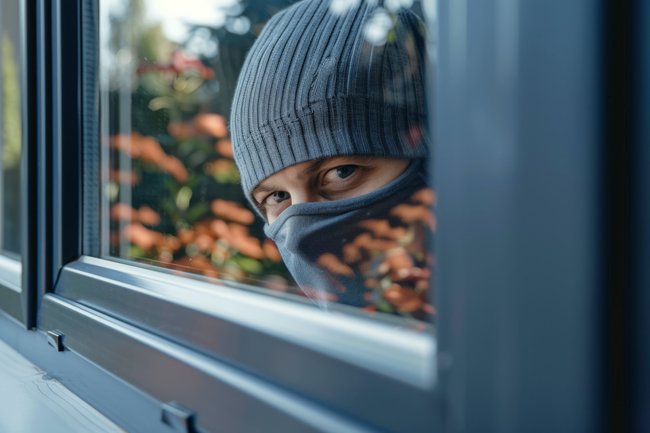
Home security isn’t just about locks and alarms—it’s about creating a space where you feel safe, comfortable, and at ease.
Whether you live alone, with a spouse, or in a multigenerational household, small security improvements can make a meaningful difference. Many effective steps are simple, affordable, and focused on prevention rather than fear. The goal is not to turn your home into a fortress, but to reduce vulnerability and increase peace of mind.
Understanding how to boost security in your home helps protect not only your belongings, but also your sense of independence and well-being. Thoughtful security planning is especially important when addressing safety considerations for multigenerational living, where different ages and needs share the same space.
A safe home is essential for healthy, confident, independent living — especially for seniors who spend more time at home or live alone. The good news? You don’t need expensive systems or complicated technology to feel safer. Small, practical changes can dramatically improve your home’s security and peace of mind. Everyday living should give you peace of mind – everyday!
These tips and ideas are for physical security in your home – but don’t forget that environmental toxins are very dangerous. We can choose what we bring into our homes, so it’s wise to pay attention to this danger.
Below are simple, budget-friendly safety tips designed specifically for seniors, caregivers, and anyone wanting a more secure living environment. Something as simple as planting roses under windows will deter theft – those rose thorns are sharp!

Why Home Security Matters More as We Age
As we get older, feeling safe at home becomes just as important as physical health and emotional wellness. The right security habits can:
-
Reduce vulnerability
-
Increase confidence in daily routines
-
Prevent opportunistic break-ins
-
Provide peace of mind for both you and your loved ones
These tips focus on ease, simplicity, and senior-friendly solutions.
1. Strengthen Your Doors and Entry Points
Your front and back doors are the first line of defense.
-
Install a peephole or door viewer
This allows you to see who’s at the door without opening it.
-
Use heavy-duty deadbolts
Choose a deadbolt with at least a 1-inch throw bolt.
-
Add a door security bar
These are inexpensive and add strong reinforcement.
Swap out the standard ½-inch screws with 3-inch screws.
This one upgrade makes a huge difference in door strength.
2. Improve Exterior Lighting
Well-lit homes are far less likely to be targeted.
-
Motion-sensor lights
Install these around:
-
the front porch
-
back door
-
garage
-
walkway
Motion lights are inexpensive and require little upkeep.
-
Smart dusk-to-dawn lights
These turn on automatically when it gets dark.
Perfect for seniors who don’t want to worry about switches.
3. Keep Windows Secure
Opportunistic break-ins often happen through unlocked windows.
-
Use simple window locks
Even inexpensive locks add strong protection.
-
Install security film
This keeps the glass from shattering if someone tries to break in.
-
Keep blinds or curtains closed at night
This prevents people from seeing inside your home.
4. Be Cautious About Who You Open the Door For
This is one of the most important senior safety habits.
Even if they claim to be from a company, utility service, or organization.
-
Ask for identification
Legitimate workers always carry ID and will not pressure you.
-
If unsure, call the company directly
Use the phone number from your bill or the company’s website —
not the number the visitor gives you.
5. Use Simple, Senior-Friendly Technology
You don’t need expensive alarms or complicated apps.
-
Video doorbells (like Ring or Blink)
Easy to use and let you see who’s at your door.
Family members can monitor these too if you choose.
-
Medical alert devices with fall detection
Many include emergency buttons that alert help immediately.
✔ Automatic timers for lamps
These make your home appear occupied even when you’re away.
6. Build Strong Community Awareness
-
Feeling safe isn’t just about locks and lights —
it’s also about people.Know your neighbors
Even one trusted neighbor can be a huge safety asset.
-
Join a neighborhood watch or community group
Many senior communities participate in simple watch programs.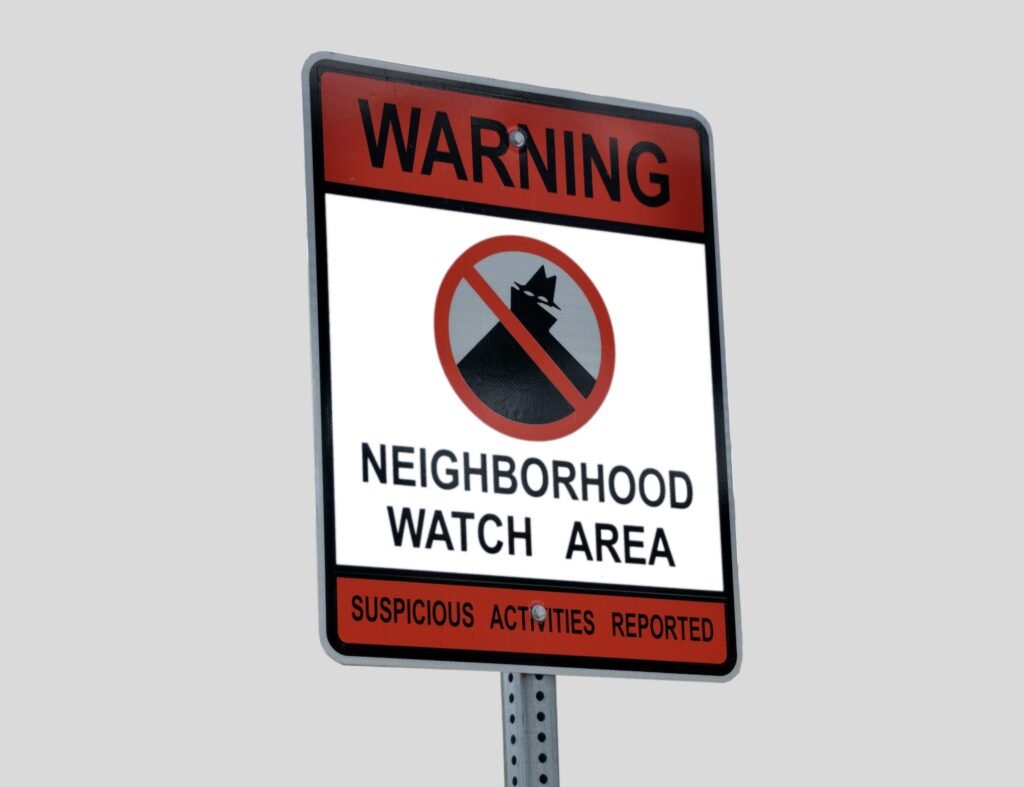
-
Let trusted people know when you’re away
A neighbor picking up packages makes a big difference.
7. Declutter Entryways and Walkways
This is both a security and fall-prevention tip.
-
Trim bushes away from doors and windows
Hiding places make break-ins easier.
-
Keep walkways clear
This prevents falls and makes your home look cared for.
-
Add small solar pathway lights
These are perfect for nighttime visibility.
8. Consider a Whole-Home Safety Check
Once a year, do a simple walkthrough using a checklist:
-
Are all doors locking properly?
-
Are bulbs burned out?
-
Are ladders, hoses, or tools left outside?
-
Are valuables visible through windows?
-
Are emergency numbers posted clearly?
Little things create big peace of mind.
9. Trust Your Instincts
If something feels off, believe it.
-
Don’t answer unexpected knocks
-
Don’t share personal details with strangers
-
Hang up on questionable phone calls
-
Report suspicious behavior to local authorities
Your intuition is one of your strongest safety tools.
10. Stay Connected With Family & Friends
Safety increases dramatically when seniors stay socially connected.
Even simple routines help:
-
Daily check-in calls
-
A neighbor stopping by
-
A weekly “safety check” with family
The more connected you are, the safer you are. Home safety is very important when you live in a more self-sufficient lifestyle home. You are likely in the country and need to rely more on yourselves for security.
Final Thoughts: Staying Safe While Living Independently
Improving home security doesn’t have to be complicated or overwhelming. Small, thoughtful adjustments—better lighting, clear visibility, secure entry points, and awareness of daily habits—can significantly reduce risk and increase comfort.
A secure home supports independence, confidence, and peace of mind. By taking proactive steps that fit your lifestyle, you create a living environment that feels welcoming and protected—for yourself and for those who share your space.
Your home should feel like a sanctuary — peaceful, comfortable, and secure.
With a few small improvements and mindful habits, seniors can confidently live well and stay safe. As always, please contact me with any questions or comments.