
Fingernail Health Signs | What Splitting, Ridges & Yellowing May Reveal
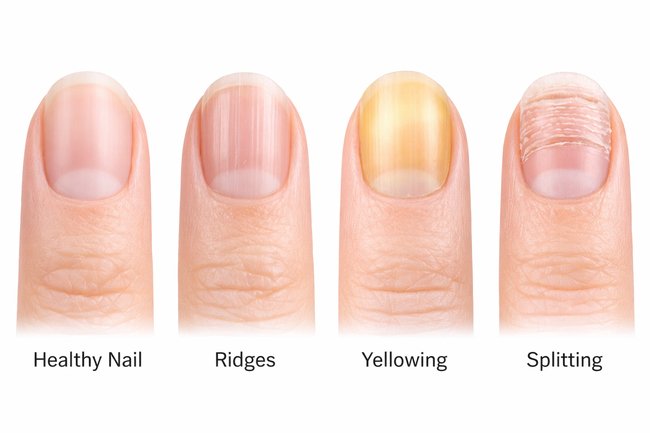
Your nails grow slowly and quietly — but they can reveal a surprising amount about your overall health.
Changes in color, texture, strength, or shape are often early fingernail health indicators. While not every mark signals disease, persistent changes should never be ignored.
Understanding these subtle signs gives you a head start on identifying imbalances before larger symptoms develop.
Let’s look at the most common fingernail health signs and what they may mean.
What Healthy Nails Should Look Like
Before identifying problems, it helps to understand what normal fingernail health looks like.
Healthy nails are:
-
Smooth
-
Slightly curved
-
Pinkish in tone
-
Free from deep ridges or discoloration
-
Firm but flexible
They grow about 3 millimeters per month, and changes often reflect events that occurred weeks earlier.
Fingernail Lines and Ridges
Vertical lines and ridges are common and often increase with age. Mild ridging alone is usually harmless.
However, deep ridges, horizontal grooves (Beau’s lines), or sudden changes in texture may indicate:
-
Nutrient deficiencies
-
High stress
-
Illness
-
Circulatory changes
When fingernail lines and ridges appear suddenly, it’s worth evaluating diet and overall health patterns. It can reveal early signs of poor oxygen delivery.
Fingernails Keep Splitting: What It Could Mean
If your fingernails keep splitting or peeling, this may point toward:
-
Iron deficiency
-
Low protein intake
-
Thyroid imbalance
-
Excessive chemical exposure
-
Dehydration
Brittle nails are one of the most common fingernail issues reported.
Sometimes the solution is simple: improve protein intake, increase mineral support, and reduce harsh nail products.
Persistent splitting, however, may warrant lab work to rule out deeper concerns.
Fingernail Yellowing Causes
Yellowing can result from several different conditions.
Common fingernail yellowing causes include:
-
Fungal infection
-
Smoking
-
Frequent dark nail polish use
-
Psoriasis
-
Diabetes
-
Chronic respiratory conditions
If discoloration is thickened or accompanied by crumbling, infection should be considered.
If the nail remains smooth but yellowed, systemic causes may be worth exploring. Consider the link between oxygen circulation and tissue health.
Under Fingernail Fungus
Under fingernail fungus (onychomycosis) often begins subtly.
Signs may include:
-
Thickening
-
Discoloration
-
Brittle texture
-
Separation from the nail bed
Fungal growth thrives in moist environments and can spread if untreated.
Early intervention — including keeping nails dry, trimming carefully, and supporting immune health — can make a significant difference.
Fingernail Vitamin D Deficiency
While Vitamin D deficiency is often associated with bone health, some research suggests it may also affect nail growth and immune resilience.
Low levels can contribute to:
-
Brittle texture
-
Slow growth
-
Increased susceptibility to infection
Fingernail Vitamin D deficiency signs alone are not diagnostic, but when combined with fatigue, low mood, or bone discomfort, testing may be helpful.
Other Fingernail Health Signs to Watch
Certain changes may indicate broader health concerns. Poor circulation signs include:
Pale Nails
May reflect anemia or poor circulation.
Bluish Tone
Could indicate reduced oxygen levels in the blood.
Clubbing
Enlargement and rounding of the fingertips may be associated with chronic lung or heart conditions.
White Spots
Often caused by minor trauma, but repeated patterns may suggest mineral imbalance.
These fingernail signs are not meant to alarm — they are meant to inform.
Fingernail Problems and Solutions
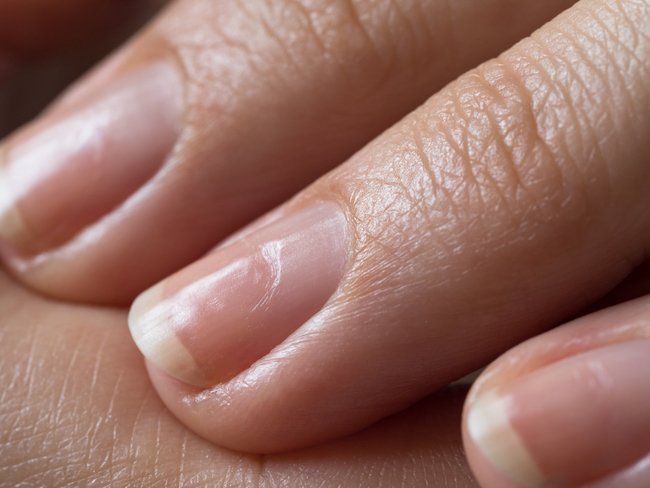
Addressing nail changes requires looking at the whole picture.
Here are foundational fingernail problems and solutions:
1. Improve Nutrition
Focus on iron, protein, zinc, magnesium, and B vitamins.
2. Support Circulation
Regular movement improves nutrient delivery to nail beds. Learn how red blood cells carry oxygen.
3. Reduce Chemical Exposure
Limit harsh polish removers and artificial products.
4. Maintain Dry, Clean Nails
Especially important for preventing under fingernail fungus.
5. Check Lab Work if Symptoms Persist
Persistent changes paired with fatigue, weakness, or other symptoms deserve medical evaluation.
When to Seek Professional Care
While many fingernail problems are cosmetic or minor, seek medical advice if you notice:
-
Rapid color changes
-
Pain or swelling
-
Nail separation
-
Persistent thickening
-
Sudden texture changes
Nails are one piece of the health puzzle — not the entire diagnosis. Consider the connection between mineral deficiencies and nail strength.
Final Thoughts
Fingernail health is more than appearance.
These small structures can act as early warning signals for nutrient deficiencies, oxygen imbalances, fungal infections, or systemic concerns.
Pay attention to:
-
Lines and ridges
-
Splitting or brittleness
-
Yellowing
-
Changes in shape or thickness
When your body whispers, listen before it has to shout. Learn more about what your tongue can tell you about your health.
As always, please feel free to contact me with questions or comments.
About the Author
Pamela M. Rumley, ND is a Doctor of Naturopathy and natural health educator who writes about circulation, nutrition, oxygen delivery, and practical wellness strategies. She previously operated a natural health clinic where she worked directly with clients and studied techniques such as darkfield microscopy to observe live blood samples. Today she focuses on research, writing, and education to help readers better understand how the body works and how lifestyle choices can support long-term wellness.
Credentials
- Doctor of Naturopathy – Trinity School of Natural Health
• Master Herbalist – Dr. Christopher School of Natural Healing
• Certified Natural Health Professional – National Association of Certified Natural Health Professionals
• Former Natural Health Clinic Practitioner
• Training in Darkfield Microscopy and Live Blood Analysis
Learn more at PamRumley.com

Pingback: Ways to Stay Healthy |
Pingback: Tongue Health Signs |
Pingback: Poor Circulation | 10 Signs You Shouldn't Ignore |