
DMSO: A Forgotten Natural Healer For Pain, Tissue Repair, and More
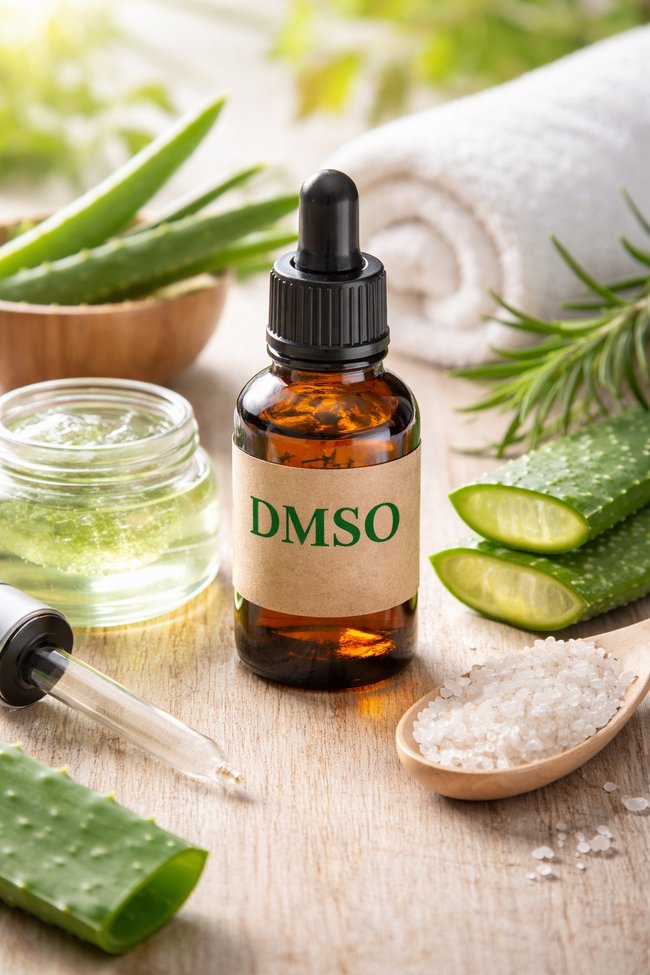
In the world of natural health, few substances spark as much curiosity — and caution — as DMSO (dimethyl sulfoxide). Once widely researched and even approved for specific medical use, it has slowly faded from mainstream discussion.
Today, it’s making a quiet comeback.
It has been studied since the 1960s for anti-inflammatory and circulatory effects.
People searching for DMSO pain relief, inflammation support, and tissue repair often discover that this simple sulfur compound has a long and fascinating history. But before using it, it’s important to understand both the benefits and the risks.
What Is DMSO?
It is a natural byproduct of wood pulp processing — a simple sulfur compound with an extraordinary ability: it penetrates skin and cell membranes almost instantly. Initially used as an industrial solvent, it was later found to have profound healing properties, especially for inflammation, pain, and tissue regeneration.
It’s been used medically for decades — especially in veterinary and sports medicine — but its use in human healing goes far deeper than most realize.
(DMSO What Is It?)
If you’ve ever typed “DMSO what is it” into a search bar, here’s the simple answer:
Dimethyl Sulfoxide is a sulfur-based compound derived as a byproduct of wood pulp processing. Though originally used as an industrial solvent, researchers quickly discovered something remarkable — it penetrates skin and cell membranes with unusual speed and efficiency.
That penetrating ability is what makes it unique.
Unlike most topical products, it doesn’t just sit on the skin. It passes through tissue layers and can carry other substances along with it. This property is both its greatest strength — and the reason it must be used carefully.
Also enjoy my related article about how blood carries oxygen to tissues.

DMSO Health Benefits — Why It’s Called a Natural Healer
Many alternative practitioners refer to this great product as a “forgotten natural healer” because of its broad range of potential applications.
Reported health benefits include:
-
Reduced inflammation
-
Increased circulation
-
Improved cellular oxygen delivery
-
Support for tissue repair
-
Antioxidant activity
It has even been FDA-approved for interstitial cystitis (a bladder condition), which confirms it is not merely folklore.
However, it remains controversial because it is inexpensive and cannot be patented — making it less attractive to pharmaceutical development.

Its pain-relieving properties are well-documented. Many users report reduced stiffness and inflammation in arthritic joints within minutes of applying a gel or solution.
Pain Relief — How It Works
One of the most searched phrases is “DMSO pain relief.”
Here’s why.
It appears to reduce inflammation and calm nerve signaling in painful areas. When applied topically, many users report reduced stiffness and improved mobility within minutes — especially in arthritic joints or soft tissue injuries.
Mechanisms believed to contribute to pain relief:
-
Vasodilation (improved blood flow)
-
Reduction of inflammatory mediators
-
Free radical scavenging
-
Cellular oxygen enhancement
This is why both the cream for pain and roll-on products have grown in popularity in recent years.
Topical Applications — Gels, Creams, and Roll-Ons
Most people use DMSO topical products rather than ingesting it.
Common forms include:
-
DMSO gel for humans
-
DMSO cream for pain
-
Roll on applications
-
Liquid solutions diluted with water or aloe vera
Topical application allows targeted support for:
-
Knees
-
Shoulders
-
Wrists
-
Lower back
-
Tendon and ligament injuries
Because it penetrates deeply, clean skin is absolutely essential before use.
Gel for Humans — What to Know
When searching for DMSO gel for humans, you’ll typically find concentrations ranging from 30% to 99%.
For general joint or muscle support, many natural health users prefer:
-
30%–50% for sensitive skin
-
50% for stronger penetration
-
Avoiding 70%+ unless experienced, as it may irritate skin
Always choose pharmaceutical-grade DMSO and store it in glass containers, as DMSO can degrade plastics.
DMSO Gel With Aloe Vera — A Soothing Combination
A popular blend is the gel combined with aloe vera.
Why aloe?
-
It soothes skin irritation
-
Helps counteract drying effect
-
Supports surface healing
A common mixture:
50% DMSO / 50% aloe vera gel
This combination is frequently used for sprains, inflammation, and surface injuries. Consider cellular repair and regeneration.
DMSO Eye Drops — Proceed With Caution
Searches for DMSO eye drops continue to rise, particularly among those researching alternative approaches for cataracts or ocular inflammation.
It’s important to be very clear:
DMSO eye use is controversial and should never be attempted without professional medical supervision. Concentrations and sterility are critical, and misuse can damage delicate eye tissue.
This is an area where caution is not optional.
Side Effects — What to Expect
Because “DMSO side effects” receives significant search traffic, this deserves careful attention.
Possible side effects include:
-
Skin irritation or redness
-
Itching or warmth at application site
-
Garlic-like taste or odor on breath
-
Dry skin
-
Headache in sensitive individuals
The garlic odor occurs because it metabolizes into dimethyl sulfide, which is excreted through breath and skin.
Most side effects are mild and dose-dependent, but sensitivity varies widely.
DMSO Dangers — Important Safety Considerations
Search engines also show high traffic for DMSO dangers, and for good reason.
The biggest concern is not DMSO itself — but what it carries into the body.
Because DMSO transports substances through the skin:
-
Never apply over perfumes, lotions, or chemicals
-
Avoid synthetic fabrics over treated areas
-
Use only clean hands or sterile cotton pads
-
Do not use on contaminated or unclean skin
Other cautions:
-
Avoid use on open wounds unless medically supervised
-
Do not mix with unknown compounds
-
Avoid use during pregnancy unless guided by a practitioner
This product is powerful. That power demands respect.
DMSO Cream for Pain vs. Roll-On: Which Is Better?
Many shoppers compare DMSO cream for pain with DMSO roll on products.
Cream:
-
Thicker consistency
-
Often includes aloe or herbal blends
-
Good for targeted joint areas
Roll-on:
-
Convenient
-
Mess-free
-
Useful for travel
Effectiveness depends more on concentration and purity than delivery style.
Where to Buy it — Including Amazon Searches
“DMSO Amazon” is one of the most common search phrases.
While DMSO is available through online marketplaces, including Amazon, quality varies widely.
When purchasing:
-
Look for 99.9% pure pharmaceutical-grade
-
Avoid industrial-grade versions
-
Read reviews carefully
-
Choose glass packaging when possible
Price alone should not determine quality.
Safety Guidelines:
Substances that interact at the cellular level are often influenced by cellular pH balance and overall internal conditions.
-
Use glass or ceramic containers only (DMSO dissolves plastics)
-
Apply with clean hands or a natural cotton pad
-
Test a small area first to check for skin sensitivity
-
Do not use with chemical-based creams, perfumes, or lotions — DMSO will carry them into the body
This article is for educational purposes only and does not constitute medical advice. DMSO is a biologically active compound and should be used responsibly. Always consult a qualified healthcare professional before beginning any new health practice.
Final Thoughts: DMSO as a Forgotten Natural Healer
DMSO is neither a miracle cure nor a substance to dismiss outright.
It remains a compound with:
-
Documented medical use
-
Significant anti-inflammatory potential
-
Powerful cellular penetration ability
-
Real safety considerations
For those exploring holistic health approaches, DMSO represents an area worth researching carefully and thoughtfully.
Education first.
Caution always.
Discernment above hype.
If you choose to explore DMSO, start slowly, respect its potency, and consult a knowledgeable practitioner when needed.
Many people enjoy: Natural Fall Prevention – Supporting joint mobility in seniors.
About the Author
Pamela M. Rumley, ND is a Doctor of Naturopathy and natural health educator who writes about circulation, nutrition, oxygen delivery, and practical wellness strategies. She previously operated a natural health clinic where she worked directly with clients and studied techniques such as darkfield microscopy to observe live blood samples. Today she focuses on research, writing, and education to help readers better understand how the body works and how lifestyle choices can support long-term wellness.
Credentials
- Doctor of Naturopathy – Trinity School of Natural Health
• Master Herbalist – Dr. Christopher School of Natural Healing
• Certified Natural Health Professional – National Association of Certified Natural Health Professionals
• Former Natural Health Clinic Practitioner
• Training in Darkfield Microscopy and Live Blood Analysis
Learn more at PamRumley.com
Frequently Asked Questions
What is it used for?
DMSO is most commonly used for pain relief, inflammation reduction, tissue repair, and improved circulation. It is FDA-approved for interstitial cystitis and widely used topically for joint and muscle support.
Is it safe for humans?
DMSO gel for humans is commonly used topically, but safety depends on concentration, purity, and proper application. Clean skin and pharmaceutical-grade DMSO are essential.
What are common side effects?
Possible DMSO side effects include skin irritation, redness, dryness, and a garlic-like odor on the breath. Reactions are usually dose-dependent.
What are the dangers of DMSO?
The primary DMSO dangers involve its ability to carry substances through the skin into the bloodstream. It should never be used over contaminated or chemically treated skin.
Can you buy it on Amazon?
Yes, DMSO is available online, including through Amazon. However, buyers should carefully review purity levels and ensure they are purchasing pharmaceutical-grade DMSO.
What is the best DMSO concentration for pain relief?
Many people use 30%–50% DMSO topical solutions for pain relief. Higher concentrations may cause irritation and should be used cautiously.
Is DMSO gel with aloe vera better?
DMSO gel with aloe vera is popular because aloe helps soothe the skin and reduce dryness while maintaining penetration benefits.
Always do your own research, start slowly, and — if in doubt — consult a practitioner familiar with its use. Please contact me with any questions or comments.
About the Author
Pamela M. Rumley, Doctor of Naturopathy, researches natural health approaches focused on circulation, inflammation support, and cellular function. Her work explores educational information on alternative wellness topics while emphasizing informed decision-making and safety.

Pingback: Healthy Aging Starts with Oxygen |
Pingback: Low Magnesium Symptoms After 50 (Signs You Shouldn’t Ignore) |