Why Symptoms Get Worse at Night (And What Your Body May Be Telling You)

Many people notice that certain symptoms seem to appear—or intensify—at night. Leg cramps, tingling, burning sensations, and even breathing discomfort can feel more noticeable once the day winds down.
If you’ve ever wondered why symptoms seem worse when you’re trying to rest, you’re not alone. The body undergoes several natural changes at night that can make underlying issues more noticeable.
Understanding these patterns can help you better recognize what your body may be signaling.
What You’ll Learn in This Article
In this article you will learn:
• Why symptoms often feel worse at night
• How circulation and oxygen delivery change during rest
• The role of minerals and muscle function
• Why nerve-related sensations increase at night
• Common nighttime symptoms and what they may mean
Why the Body Changes at Night
At night, the body shifts into a more restful state. Heart rate slows, breathing patterns change, and activity levels drop.
During the day, movement helps keep blood circulating and muscles engaged. At night, when the body is still, subtle imbalances may become more noticeable.
This doesn’t necessarily mean something is wrong—it often means the body is no longer being “distracted” by daytime activity.
Circulation Changes When You Lie Down
Circulation plays a major role in how symptoms are experienced at night.
When you lie down:
- blood flow redistributes
- gravity no longer assists circulation in the same way
- extremities may receive less efficient circulation
This can make symptoms like cold hands, cold feet, or discomfort more noticeable.
👉 You can learn more about this in what causes cold hands and feet and what they may mean.
Muscle Fatigue and Mineral Imbalances
Muscles that have been used all day may be more likely to tighten or cramp at night.
Minerals such as magnesium, potassium, and calcium help regulate muscle contraction and relaxation. When these are not balanced, muscles may contract unexpectedly during rest.
This is one reason why many people experience nighttime leg cramps, especially in the calf muscles.
👉 Learn more about magnesium for muscle cramps and tightness.
Nerve Sensitivity Increases at Night
Nerve-related sensations often become more noticeable in the evening.
Common symptoms include:
- tingling
- numbness
- “pins and needles”
- burning sensations
With fewer distractions at night, the brain becomes more aware of these signals.
👉 This is often discussed in tingling hands and feet and what it may mean.
Oxygen Delivery and Breathing Patterns
Breathing patterns can change during sleep, and oxygen delivery may shift slightly depending on posture and relaxation.
If oxygen delivery is not as efficient, some people may notice:
- restlessness
- brain fog
- mild shortness of breath
- fatigue upon waking
👉 You can explore this further in normal oxygen levels and what your numbers mean.
Inflammation and Pain Perception
Inflammation and pain signals can feel stronger at night for several reasons:
- the body is at rest
- there are fewer distractions
- the brain processes pain differently during quiet periods
This can make discomfort seem more intense than it does during the day.
👉 Learn more in chronic inflammation in the body and natural ways to reduce it.
Common Symptoms That Often Worsen at Night
Many people report noticing these symptoms more during the evening or nighttime:
- leg cramps
- burning feet
- numb or tingling hands
- cold feet or hands
- restlessness in the legs
- muscle tightness
These symptoms often reflect patterns involving circulation, minerals, nerve sensitivity, or oxygen delivery.
Final Thoughts
When symptoms feel worse at night, it doesn’t necessarily mean they are becoming more severe—it often means they are becoming more noticeable.
The body is quieter, movement is reduced, and underlying patterns may be easier to detect.
By paying attention to these signals, you can better understand how your body is functioning and what areas may benefit from support.
Nighttime Symptoms: Common Questions
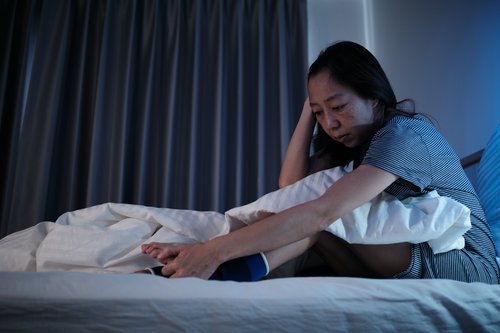
Why do symptoms seem worse at night?
Symptoms often feel worse at night because the body is at rest and there are fewer distractions. During the day, movement and activity can mask discomfort. At night, changes in circulation, muscle relaxation, and nerve sensitivity can make symptoms more noticeable.
Why do leg cramps happen more at night?
Leg cramps commonly occur at night due to muscle fatigue, reduced movement, and possible mineral imbalances. The calf muscles, in particular, may tighten after a day of use, leading to sudden cramping during rest.
Why do tingling and numbness get worse at night?
Tingling and numbness may feel stronger at night because the nervous system becomes more noticeable when the body is still. Reduced movement and changes in circulation can also contribute to these sensations.
Why do I feel more pain at night than during the day?
Pain can feel more intense at night because the brain has fewer distractions and becomes more aware of discomfort. In addition, inflammation and muscle tension may be more noticeable when the body is at rest.
Can circulation problems cause nighttime symptoms?
Yes, circulation changes can contribute to nighttime symptoms. When lying down, blood flow shifts, and this may make symptoms such as cold hands, cold feet, or discomfort more noticeable.
Why do breathing or oxygen-related symptoms feel worse at night?
Breathing patterns change during sleep, and body position can affect how efficiently oxygen is delivered. Some people may notice restlessness, fatigue, or mild breathing discomfort when oxygen delivery is not optimal.
Are nighttime symptoms a sign of something serious?
Not always. Many nighttime symptoms are related to normal changes in the body during rest. However, persistent, worsening, or severe symptoms should be evaluated by a healthcare professional.
About the Author
Pamela M. Rumley, ND is a Doctor of Naturopathy and natural health educator who writes about circulation, nutrition, oxygen delivery, and practical wellness strategies. She previously operated a natural health clinic where she worked directly with clients and studied techniques such as darkfield microscopy to observe live blood samples. Today she focuses on research, writing, and education to help readers better understand how the body works and how lifestyle choices can support long-term wellness.
Credentials
- Doctor of Naturopathy – Trinity School of Natural Health
• Master Herbalist – Dr. Christopher School of Natural Healing
• Certified Natural Health Professional – National Association of Certified Natural Health Professionals
• Former Natural Health Clinic Practitioner
• Training in Darkfield Microscopy and Live Blood Analysis
Learn more at PamRumley.com