Fall Prevention for Seniors – Practical Ways to Reduce Risk at Home
Falls are not just “part of getting older.”
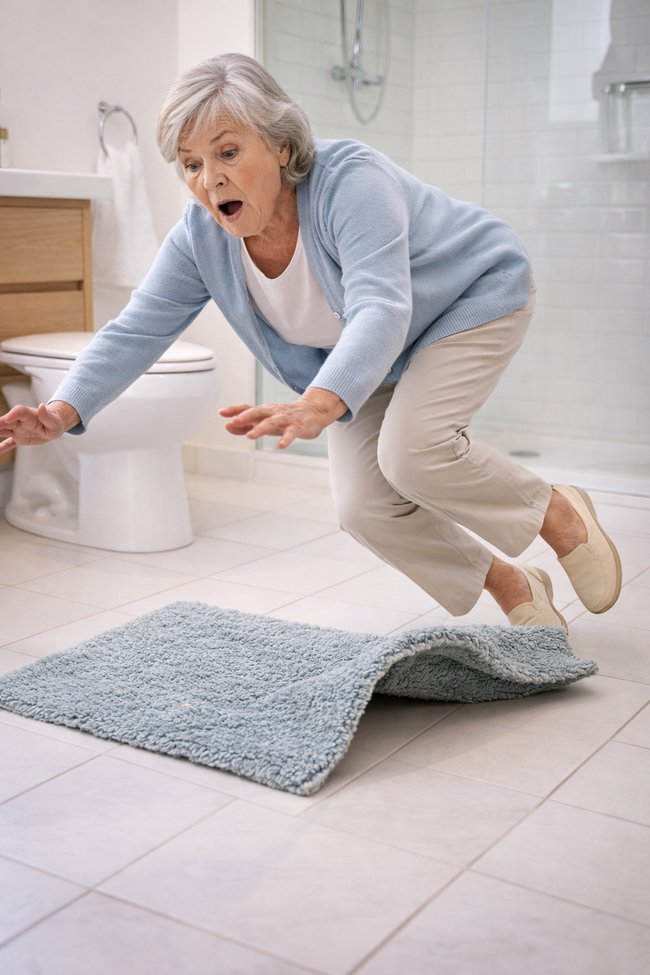
They are one of the leading causes of injury among older adults — and most of them happen inside the home. The encouraging part is this: many falls are preventable with thoughtful changes and simple planning. Sometimes it’s the small things around the house that create the biggest risks—here’s how to improve home safety for seniors.
Fall prevention isn’t about fear. It’s about protecting independence.
Whether you are planning for yourself or helping an aging parent, understanding where and why falls happen is the first step toward reducing risk. Home modifications for seniors is vitally important as we age.

Where Falls Happen Most Often
Most falls don’t occur during dramatic situations. They happen during normal, everyday movements. Creating a safer home environment is one of the most effective steps – see my room-by-room home safety guide for seniors.
-
Standing up from a chair
-
Stepping out of the shower
-
Walking across a familiar room
-
Reaching for something just slightly out of range
Let’s look at the most common household risk areas.
Throw Rugs: A Hidden Hazard
A nurse once mentioned that if she could eliminate one thing from every senior’s home, it would be throw rugs.
It may sound extreme, but there’s truth behind it.
Throw rugs:
-
Slide on hardwood or tile
-
Shift over time
-
Develop curled edges
-
Lose their non-slip backing
-
Catch the wheels of walkers or rollators
Even small rugs in kitchens, bathrooms, and entryways can become tripping hazards.
Safer Alternatives
-
Remove throw rugs completely in high-traffic areas
-
Use low-profile rugs with secure non-slip backing
-
Apply rug grip tape
-
Ensure rugs are flat and fully secured
If mobility has already changed, decorative rugs may no longer be worth the risk.
Ladders and Step Stools
Climbing a ladder to change a light bulb or reach a high cabinet is one of the most underestimated risks in a home.
Balance changes gradually with age. Reaction time slows. A missed step that once would have been recovered can now result in a serious fall.
Safer strategies include:
-
Lowering frequently used items to accessible shelves
-
Using long-handled reach tools
-
Asking for help with high tasks
-
Rearranging storage during downsizing
If a ladder is still used, it should be sturdy, well-lit, and used only when absolutely necessary — but for many seniors, eliminating ladder use entirely is wise.
Bathrooms: The Highest-Risk Area
Bathrooms combine several risk factors:
-
Wet floors
-
Slippery surfaces
-
High tub walls
-
Hard tile
-
Poor lighting
-
Lack of support
Stepping over a tub wall, turning on a wet surface, or standing up from a low toilet can all increase fall risk.
Practical Bathroom Safety Steps
-
Install grab bars (not towel racks)
-
Use non-slip shower mats
-
Consider a shower chair
-
Add a raised toilet seat if needed
-
Improve lighting
-
Keep floors dry and clutter-free
Bathrooms deserve careful attention. Small upgrades can dramatically reduce risk. Bathrooms are one of the most common places where falls occur – See how to improve bathroom safety and reduce fall risk.
Sit-to-Stand Transitions
One of the most dangerous moments in a home is the simple act of standing up.
When leg strength declines or joints become painful, people often:
-
Rock forward repeatedly
-
Push off uneven surfaces
-
Grab nearby furniture
-
Lose balance during the transition
This is where supportive mobility tools can help to reduce fall risk at home.
A well-fitted lift chair can assist with safe standing by reducing strain on knees and hips. Likewise, a rollator provides balance support once upright.
Falls frequently occur during transitions — not during long walks.
Supporting this moment is critical.
Clutter and Floor Obstacles
Even familiar spaces can become risky when clutter accumulates.
Common tripping hazards include:
-
Electrical cords
-
Shoes near doorways
-
Pet toys
-
Low coffee tables
-
Laundry baskets
-
Stacks of magazines
Decluttering isn’t just about aesthetics — it’s about safety.
Clear walking paths should exist between:
-
Bed and bathroom
-
Living room and kitchen
-
Entryway and main sitting areas
Open space equals safer movement.
Lighting and Nighttime Safety
Vision changes over time, especially in low light.
Nighttime bathroom trips are a major source of falls.
Improve lighting by:
-
Installing night lights in hallways and bathrooms
-
Using motion-activated lights
-
Replacing dim bulbs with brighter options
-
Reducing glare and deep shadows
Simple lighting improvements can dramatically increase safety.
Physical Risk Factors
Home hazards are only part of the picture. Physical changes also increase fall risk.
These include:
-
Weak leg muscles
-
Poor balance
-
Fatigue
-
Dehydration
-
Medication side effects
-
Circulation challenges
Strength and stability play a major role in fall prevention. Supporting muscle health, hydration, and circulation can improve steadiness.
Even small improvements in leg strength can significantly reduce fall risk. Rollators are just one part of a broader fall prevention strategy for seniors at home.
Warning Signs to Take Seriously
For adult children, subtle changes can signal increased risk:
-
New bruises
-
Holding onto furniture while walking
-
Avoiding stairs
-
Refusing to shower alone
-
Moving more slowly than usual
-
Expressing fear of falling
These are not small signals. They are early warnings.
Addressing fall risk early protects dignity and independence later.
Fall Prevention Is About Independence
Removing a throw rug may seem minor.
Rearranging a cabinet may seem inconvenient.
Installing grab bars may feel like an admission of aging.
But in reality, these changes are proactive — not reactive.
They allow someone to remain safely in their home longer.
Fall prevention is not about limiting life.
It’s about protecting it.
The goal isn’t to eliminate activity.
It’s to eliminate unnecessary risk.
With thoughtful adjustments, a home can remain both comfortable and safe.
As always, please contact me with any questions or comments.