“Self-sufficient living” can sound extreme — like you need acres of land, solar panels, and a pantry the size of a small grocery store. But simple self-sufficient living is something very different. It’s quiet. It’s practical. And it’s built around one goal:
Make everyday life easier and more secure by depending less on outside systems and more on simple habits, skills, and preparation.
This is especially helpful if you’re downsizing, aging at home, living on a fixed income, or simply tired of feeling like you’re one emergency away from stress. You don’t have to “go off-grid.” You just need a plan that makes sense for real life.
What “Simple Self-Sufficient Living” Really Means – A Practical Guide to Living With Less Stress
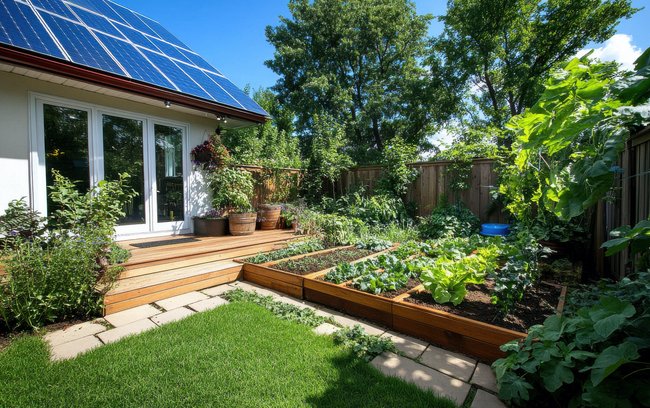
At its core, simple self-sufficient living is about reducing your vulnerability:
-
Fewer last-minute store runs
-
Less waste
-
Less anxiety about price spikes or shortages
-
More confidence that you can handle small emergencies
It’s the old Appalachian way of living, updated for today: make do, mend what you can, build skills slowly, and stay steady.
And here’s the good news: the biggest improvements come from small changes — not big purchases.
Start With a Simple Mindset Shift: “Calm Preparedness”
The healthiest approach is not fear-based. It’s calm preparedness.
A good self-sufficient lifestyle isn’t built on panic, conspiracy, or hoarding. It’s built on:
-
Comforting routines
-
Useful systems
-
Common-sense backups
-
Skills you can rely on
Think of it like this: You’re building a cushion.
10 Practical Ways to Live More Self-Sufficiently (Without Going Overboard)
1) Build a “Real Life” Pantry (Not a Survival Bunker)
Start with what you already eat. Add a little depth.
A simple goal:
-
2–4 weeks of meals you can actually cook and enjoy
Focus on:
-
Rice, oats, beans, pasta
-
Canned meats, soups, vegetables
-
Peanut butter, crackers, shelf-stable milk
-
Spices, salt, cooking oil
-
Coffee/tea and comfort foods (morale matters)
Tip: Each grocery trip, add one extra staple. Slow and steady wins.
2) Make Water Easy (Even If You Never Lose Power)
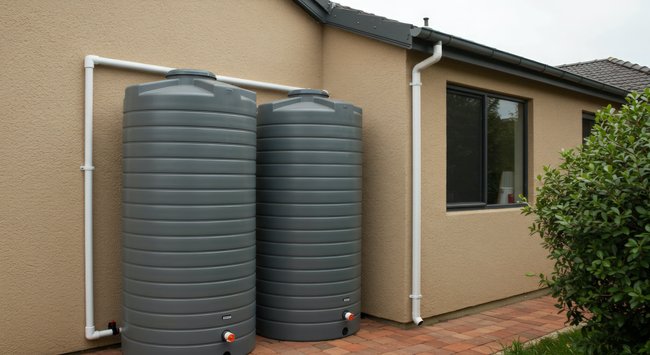
Water is one of the easiest preparedness upgrades.
Simple steps:
-
Keep a few gallons of drinking water on hand
-
Store extra water for pets and basic hygiene
-
Have a basic way to purify water (common household options exist)
Even a short water outage becomes a non-event if you’re ready. Good water will result in better health, so make sure you have proven ways to purify it.
3) Create a “No-Power Plan” for 48 Hours…AFTER WINTER STORM FERN – What we learned…
You don’t need a generator to be resilient.
Ask:
-
How will I see at night?
-
How will I stay warm or cool?
-
How will I heat food?
-
How will I charge my phone?
A simple kit can include:
-
Flashlights/headlamps and batteries
-
A lantern
-
A power bank for your phone
-
Shelf-stable meals that don’t require cooking
This removes the fear and replaces it with confidence.
4) Learn a Few “Make-Do” Repairs That Save Money
Self-sufficient living is often financially self-sufficient, too.
Start with:
-
Fixing a running toilet
-
Unclogging a sink
-
Basic weatherstripping
-
Patching a small hole in drywall
-
Replacing a smoke detector battery
You don’t need to become a contractor — just capable enough to avoid emergencies and unnecessary service calls. Aging well at home means maintaining the house and not waiting for a breakdown before taking care of them.
5) Keep a Small “Fix-It Kit” in One Spot
This is underrated. A basic kit prevents a lot of stress.
Include:
-
Tape measure
-
Screwdrivers
-
Hammer
-
Utility knife
-
Pliers
-
Duct tape
-
Super glue
-
Zip ties
-
Work gloves
-
Small flashlight
These items save time, money, and frustration.
6) Cook More From Basics (Even Just 2–3 Meals a Week)
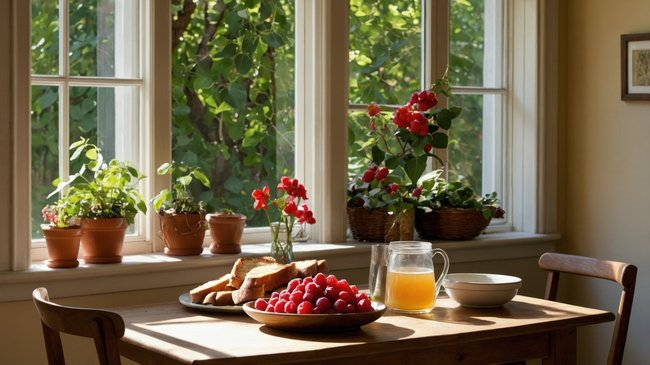
Cooking from basics is one of the most powerful self-sufficiency skills because it:
-
lowers costs
-
improves health
-
reduces dependency on takeout and convenience foods
Start simple:
-
soups
-
eggs
-
beans and rice
-
crockpot meals
-
roasted vegetables
You don’t need gourmet cooking — you need repeatable comfort food.
7) Grow Something — Even in a Pot
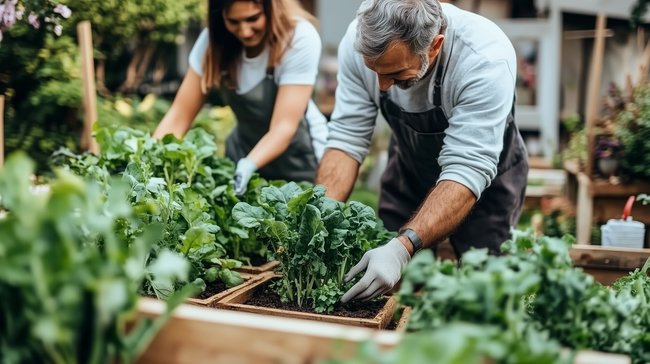
You don’t need a garden to start living more self-sufficiently.
Try:
-
herbs in pots (basil, parsley, mint)
-
lettuce or greens in containers
-
tomatoes on a patio
Growing even a little bit builds confidence and reduces reliance on the store.
8) Choose “Simple Health Habits” That Keep You Independent
If you’re aging at home, self-sufficiency includes health and mobility.
Small habits with big impact:
-
daily walking or gentle movement (as able)
-
hydration
-
basic strength exercises using a chair
-
consistent sleep routine
These are not “wellness trends.” They’re independence habits.
9) Build a Local Support Web (Self-Sufficient Doesn’t Mean Alone)
True self-sufficient living includes community.
That might mean:
-
a neighbor you check on
-
a church group
-
a local barter/trade circle
-
a family “text chain” for quick help
Resilience is often relational. A strong local web is one of the best “systems” you can build.
10) Simplify Your Home to Simplify Your Life
Clutter creates stress and vulnerability:
-
harder to clean
-
harder to find what you need
-
more fall hazards
-
more decision fatigue
Downsizing doesn’t have to be dramatic. It can be gradual:
-
one drawer
-
one closet
-
one small area per week
When your home is lighter, life feels lighter.
The “Simple Self-Sufficient Living” Checklist (Start Here)
If you want an easy starting point, choose one from each category:
Food: Add 5 pantry staples you already use
Water: Store 3–7 gallons
Power Outage: Get a flashlight + power bank
Home: Build a basic fix-it kit
Health: Choose one daily movement habit
Community: Identify one person you could call in a pinch
That’s it. That’s a meaningful start.
Final Thought: Self-Sufficiency Is a Peace Practice
Simple self-sufficient living isn’t about proving something. It’s about staying steady. One last thought – EMP Shields for home and vehicles can save thousands of money during power failures.
You’re building a life where:
-
the basics are covered
-
small emergencies don’t become disasters
-
your home supports you instead of draining you
And in a world that feels unpredictable, that kind of steadiness is priceless. As always, feel free to contact me with any questions or comments – and please check out my other informative articles in this website.