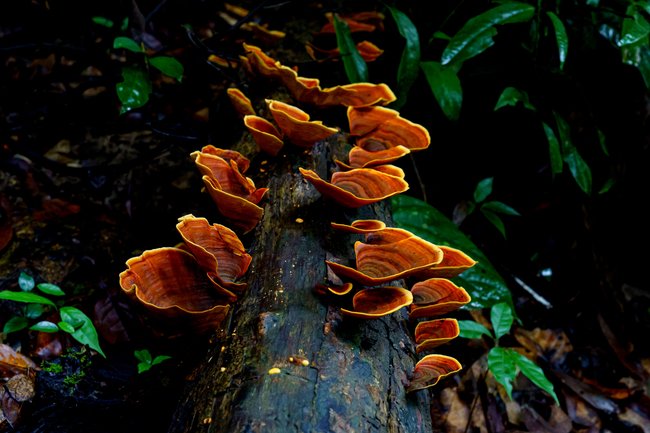
Reishi mushroom has been called the “mushroom of longevity” for centuries, not because it promises miracles, but because of its long history of gentle, supportive use. While many natural remedies focus on energy or stimulation, Reishi is different. It is traditionally used to help the body slow down, rebalance, and recover—especially during times of physical or emotional stress.
For those navigating aging, chronic stress, sleep struggles, or immune challenges, Reishi has remained a quiet companion in traditional wellness systems for thousands of years. Today, modern interest in functional mushrooms has brought Reishi back into the spotlight, not as a cure, but as a supportive tool for overall well-being. Many people are also interested in Lions Mane Mushroom benefits.
What Is Reishi Mushroom?
Reishi (Ganoderma lucidum) is a woody, bitter mushroom that grows on hardwood trees. Unlike culinary mushrooms, it is not typically eaten as food. Instead, it has been used historically in teas, powders, and extracts.
In traditional Chinese practices, Reishi was valued for its ability to support what was described as “spirit calmness” and overall vitality. Rather than targeting one specific symptom, Reishi was used to help the body maintain balance during prolonged stress, fatigue, or weakness.
Traditional Uses of Reishi
Historically, Reishi was associated with:
-
Supporting calmness and emotional balance
-
Encouraging restorative sleep
-
Strengthening resilience during long-term stress
-
Supporting immune health
-
Promoting overall vitality rather than stimulation
Reishi was not considered a quick remedy. It was traditionally taken consistently over time, reflecting a philosophy of long-term support rather than short-term fixes.
How Reishi Is Used Today
Modern wellness interest in Reishi focuses on its potential role in helping the body respond to stress more effectively. Many people are drawn to Reishi because it does not act like a stimulant.
Common modern uses include:
Stress and Nervous System Support
Reishi is often described as an adaptogenic mushroom, meaning it may help the body adapt to ongoing stress. People under long-term emotional or physical pressure often seek Reishi as part of a calming routine.
Sleep Quality
Rather than acting as a sedative, Reishi is commonly used to promote a more relaxed state that supports restful sleep. Some people report falling asleep more easily or experiencing deeper rest over time.
Immune Balance
Reishi contains compounds studied for their interaction with immune function. Rather than “boosting” the immune system aggressively, Reishi is often discussed in terms of supporting balance, which is especially important for aging adults.
Inflammation and Recovery
Reishi has traditionally been used during periods of physical recovery, supporting the body’s natural processes rather than forcing a response.

Who May Benefit Most from Reishi?
Reishi may be especially appealing for:
-
Adults experiencing chronic stress or burnout
-
Those struggling with sleep due to an overactive mind
-
Aging individuals focused on immune resilience
-
People seeking gentle, non-stimulating support
-
Those who prefer long-term wellness strategies
Because Reishi works subtly, it is often chosen by people who want to support their body without pushing it.
How Reishi Is Commonly Taken
Reishi is typically used in forms such as:
-
Capsules or tablets
-
Powder added to warm drinks
-
Extracts or tinctures
-
Traditional teas (often simmered due to toughness)
Due to its bitterness, many prefer capsules or blended formulations. Consistency is generally emphasized over high doses.
Safety and Considerations
Reishi is generally considered well tolerated, but a few points are worth noting:
-
Because it may influence immune function, those with autoimmune conditions should consult a professional before use
-
Reishi may interact with blood-thinning medications
-
As with any supplement, starting with a low amount is wise
Reishi is best viewed as a supportive companion, not a replacement for medical care.
Closing Thoughts
Reishi mushroom stands apart from many modern wellness trends because it is not about stimulation or instant results. Its value lies in its long tradition of supporting calm, balance, and resilience over time.
For those seeking a slower, steadier approach to natural wellness—especially during seasons of stress or recovery—Reishi offers a thoughtful option rooted in centuries of use. As with all natural tools, listening to your body and focusing on consistency is key. It’s worth researching all the medicinal mushrooms, including cordyceps.
Please contact me with any questions or comments.
About the Author
Pamela M. Rumley, ND is a Doctor of Naturopathy and natural health educator who writes about circulation, nutrition, oxygen delivery, and practical wellness strategies. She previously operated a natural health clinic where she worked directly with clients and studied techniques such as darkfield microscopy to observe live blood samples. Today she focuses on research, writing, and education to help readers better understand how the body works and how lifestyle choices can support long-term wellness.
Credentials
- Doctor of Naturopathy – Trinity School of Natural Health
• Master Herbalist – Dr. Christopher School of Natural Healing
• Certified Natural Health Professional – National Association of Certified Natural Health Professionals
• Former Natural Health Clinic Practitioner
• Training in Darkfield Microscopy and Live Blood Analysis
Learn more at PamRumley.com