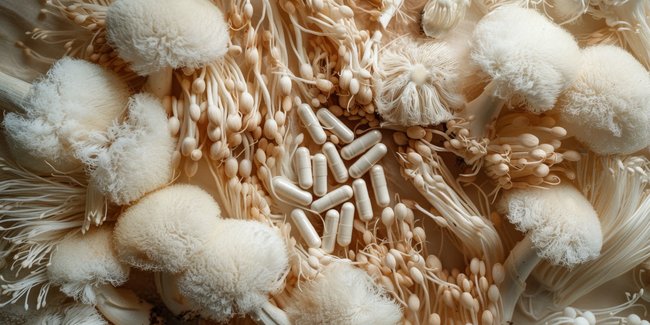
Lions Mane Mushroom: Gentle Support for Brain Health, Focus, and Nerve Function
Lions Mane mushroom (Hericium erinaceus) has gained attention in recent years for its potential role in supporting brain health, focus, and overall nervous system function. While it may sound like a new trend, Lion’s Mane has been used for centuries in traditional practices, particularly in Asia, where it was valued as both a food and a tonic.
Today, many people are rediscovering Lions Mane as part of a broader interest in natural approaches to cognitive health—especially as concerns about memory, concentration, and mental clarity become more common with age.
This article explores what Lions Mane is, how it has traditionally been used, and why it has become a topic of interest for those seeking gentle, everyday support for brain and nerve health.
What Is Lion’s Mane Mushroom?
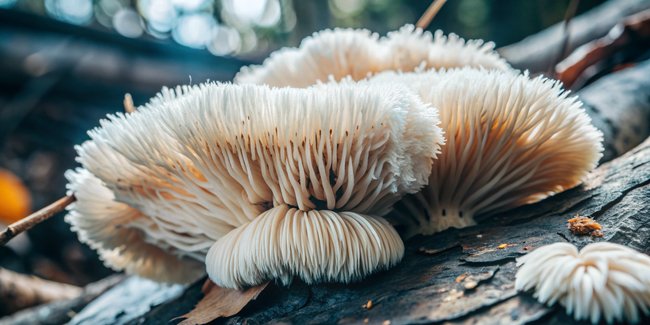
Lions Mane is a white, shaggy-looking mushroom that grows on hardwood trees. Its appearance resembles a cascading mane, which is how it earned its name. Unlike many medicinal mushrooms that are woody or bitter, Lion’s Mane is also edible and has been used as a culinary mushroom in soups, teas, and sautéed dishes.
Beyond its use as food, Lion’s Mane has long been associated with mental clarity and nervous system support. Traditional use focused on maintaining balance rather than targeting specific conditions—a theme that continues to resonate with modern holistic approaches. Learn more about other medicinal mushrooms.
Why Lion’s Mane Is Associated With Brain Health
What makes Lion’s Mane unique among mushrooms is its relationship with compounds linked to nerve growth. Researchers have identified naturally occurring substances in Lion’s Mane—often referred to as hericenones and erinacines—that appear to support nerve-related processes.
This has led to growing interest in Lion’s Mane for:
-
Memory and recall
-
Focus and mental clarity
-
Overall cognitive support
-
Age-related brain changes
Rather than acting as a stimulant, Lion’s Mane is generally described as supportive and balancing. Many people report subtle benefits over time, rather than immediate or dramatic effects.

Lions Mane and the Nervous System
In addition to cognitive support, Lion’s Mane is often discussed in relation to the nervous system as a whole. The nervous system plays a role in everything from movement and sensation to mood and coordination. As people age, nerve-related discomfort, slower response times, or reduced sensation can become more noticeable.
Because Lions Mane has traditionally been linked with nerve nourishment, it is sometimes included in wellness routines focused on:
-
Maintaining nerve function
-
Supporting coordination and balance
-
Encouraging overall nervous system health
This gentle, supportive reputation makes it appealing to those who prefer non-stimulating, food-based approaches.
Emotional Well-Being and Mental Clarity
Mental fog, low motivation, and emotional heaviness are common complaints, especially during periods of stress or change. While Lion’s Mane is not positioned as a solution for emotional challenges, its role in supporting brain function has led some people to associate it with improved mental clarity and steadiness.
For individuals seeking calm focus—rather than energy spikes—Lion’s Mane fits naturally alongside practices such as journaling, coloring, quiet reflection, and screen-free activities.
How Lions Mane Is Commonly Used
Lion’s Mane can be incorporated into daily routines in several forms:
-
Capsules or powders – often used for consistency and convenience
-
Teas or broths – a traditional and gentle approach
-
Culinary use – fresh or dried Lion’s Mane prepared as food
Many people choose to start with small amounts and observe how they feel over time. As with most natural foods and supplements, consistency matters more than quantity.
Safety and General Considerations
Lion’s Mane is generally considered well tolerated when used as a food or supplement. However, as with any natural product:
-
Individuals with mushroom sensitivities should use caution
-
New additions should be introduced slowly
-
It’s wise to read labels carefully and choose reputable sources
Lion’s Mane is best viewed as part of a broader lifestyle that includes nourishing food, adequate rest, mental engagement, and emotional balance.
Who May Be Interested in Lions Mane?
Lion’s Mane often appeals to:
-
Individuals experiencing mental fatigue or “brain fog”
-
Those seeking natural, non-stimulating wellness options
It is not about chasing youth or quick fixes, but about supporting the body’s natural systems as life progresses.
A Thoughtful Addition to Everyday Wellness
Lion’s Mane mushroom reflects a growing interest in simple, time-tested supports that work quietly in the background. Whether used as part of a natural health routine or explored out of curiosity, it fits well within a philosophy of steady, intentional living.
As research continues and traditional wisdom is revisited, Lion’s Mane remains an example of how food and nature have long played a role in supporting the mind and nervous system—without urgency, pressure, or extremes. Please feel free to contact me with any questions or comments. Be sure to check out all the informative articles on this website. Take your time!
About the Author
Pamela M. Rumley, ND is a Doctor of Naturopathy and natural health educator who writes about circulation, nutrition, oxygen delivery, and practical wellness strategies. She previously operated a natural health clinic where she worked directly with clients and studied techniques such as darkfield microscopy to observe live blood samples. Today she focuses on research, writing, and education to help readers better understand how the body works and how lifestyle choices can support long-term wellness.
Credentials
- Doctor of Naturopathy – Trinity School of Natural Health
• Master Herbalist – Dr. Christopher School of Natural Healing
• Certified Natural Health Professional – National Association of Certified Natural Health Professionals
• Former Natural Health Clinic Practitioner
• Training in Darkfield Microscopy and Live Blood Analysis
Learn more at PamRumley.com