What are Medicinal Mushrooms?
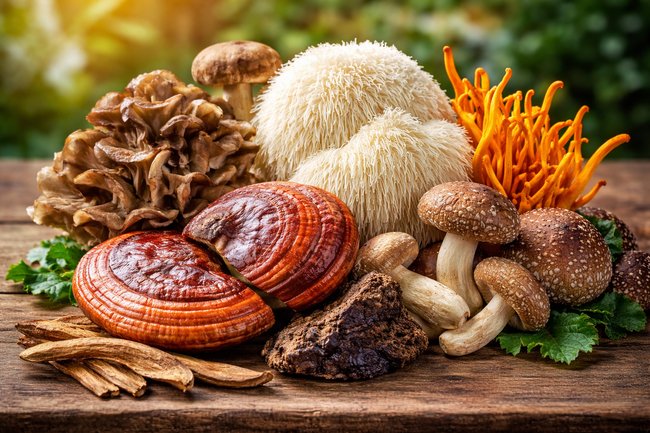
Medicinal mushrooms have been used for centuries in traditional healing systems, long before modern supplements existed. Today, interest in these fungi is growing again—not because they’re trendy, but because people are rediscovering their adaptogenic, immune-supportive, and restorative properties. It’s part of whole-body wellness for seniors.
Unlike pharmaceutical drugs that target one symptom, medicinal mushrooms tend to work more gently, supporting the body’s natural systems over time. It helps to investigate other ways to stay healthy. Mushrooms are a part of this research. Each mushroom has its own strengths, and understanding those differences helps you choose wisely rather than taking a “one-size-fits-all” approach.
This page serves as a central guide to medicinal mushrooms, with links to in-depth articles on individual mushroom types below.
This article explores the top 10 health benefits of medicinal mushrooms and highlights which mushrooms are best known for each role. Medicinal mushrooms explored on this page:
-
-
Lion’s Mane – brain and nerve support
-
Reishi – immune balance and stress response
-
Cordyceps – energy and oxygen utilization
-
Maitake – immune regulation and cancer research
-
Turkey Tail – microbiome and immune research
-

1. Immune System Support
Best known mushrooms:
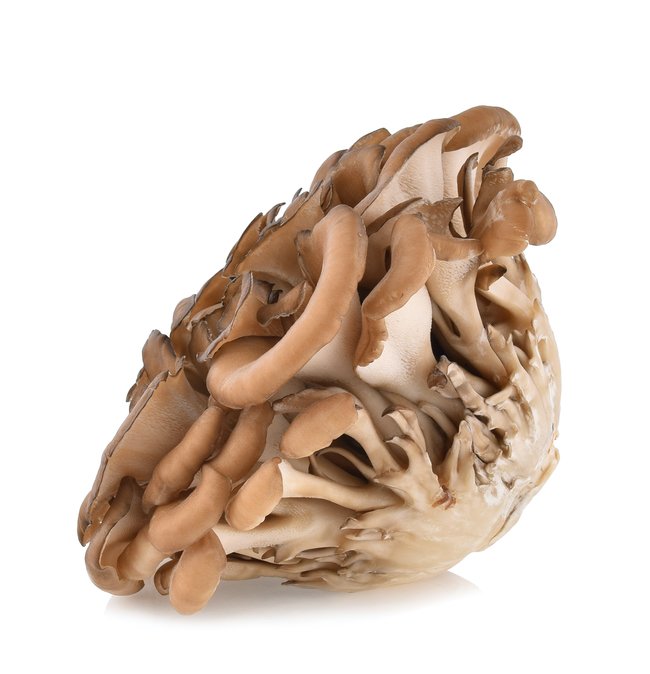
Reishi, Turkey Tail, Maitake
Many medicinal mushrooms contain beta-glucans—compounds known to support immune function. These don’t “stimulate” the immune system in an aggressive way; instead, they help regulate and balance immune response.
This makes them especially useful for:
-
People with frequent infections
-
Those under chronic stress
-
Seasonal immune support
For more inflammation support, you might want to do research on curcumin.
2. Adaptogenic Stress Support
Best known mushroom:
Reishi
Reishi is often called the “mushroom of immortality” in traditional use, but a more accurate modern description is adaptogen—something that helps the body adapt to stress.
Reishi is commonly used to support:
-
Sleep quality
-
Nervous system balance
-
Calm focus
It’s often taken in the evening because of its grounding effect.
3. Medicinal Mushrooms for Cognitive Function & Brain Health
Best known mushroom:
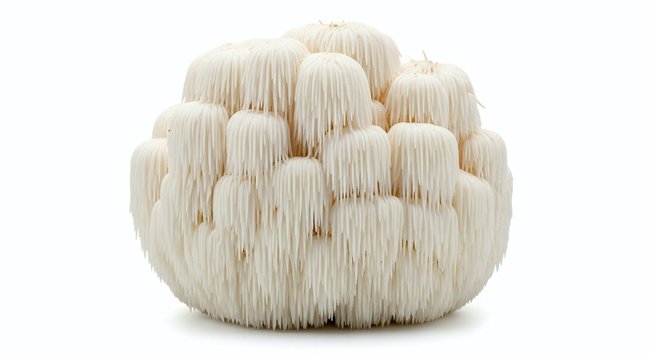
Lion’s Mane
Lion’s Mane stands out for its potential role in supporting nerve growth factor (NGF), which is associated with brain and nerve health.
People often use Lion’s Mane for:
-
Memory and focus
-
Mental clarity
-
Age-related cognitive support
This makes it a popular option for students, professionals, and older adults alike.
4. Energy & Endurance
Best known mushrooms:
Cordyceps, Chaga
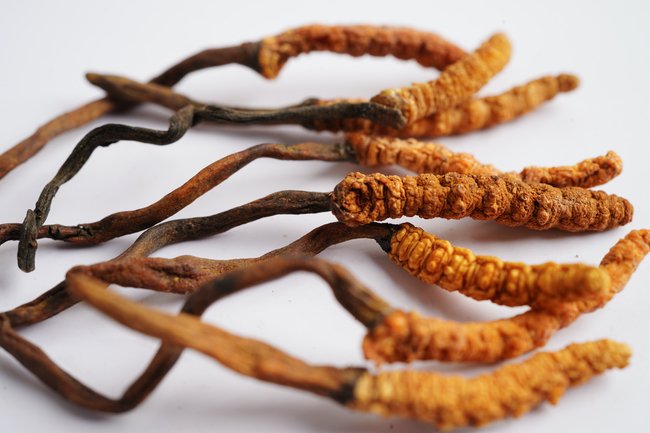
Cordyceps has traditionally been used to support stamina and oxygen utilization, which is why it’s popular among athletes and those dealing with fatigue. Better circulation is essential to good health.
Unlike caffeine-based stimulants, Cordyceps tends to support steady energy rather than quick spikes and crashes.
5. Anti-Inflammatory Support
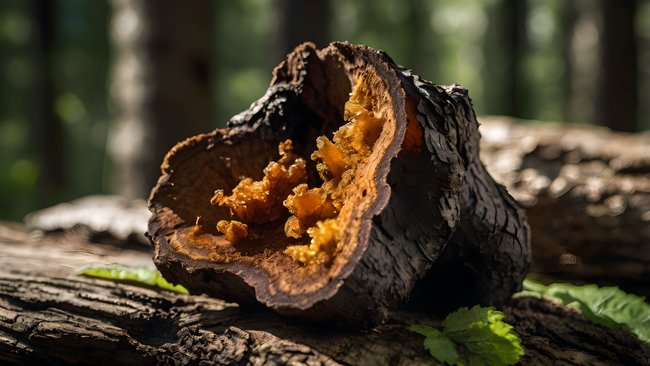
Best known mushrooms:
Chaga, Reishi
Chronic inflammation is at the root of many modern health issues. Certain mushrooms are rich in antioxidants and compounds that help modulate inflammatory pathways.
Chaga, in particular, is known for its high antioxidant content.
6. Gut & Digestive Health
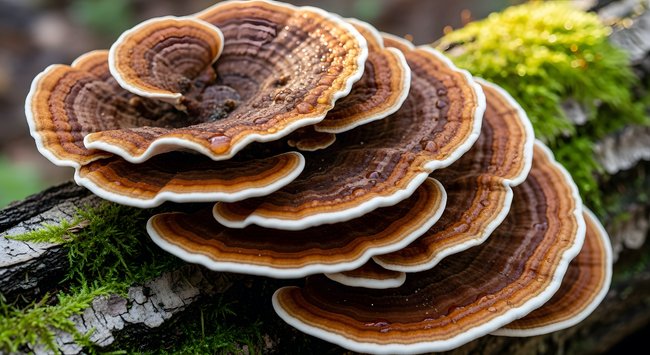
Best known mushrooms:
Turkey Tail, Maitake
Some medicinal mushrooms act as prebiotics, helping support beneficial gut bacteria. Since gut health and immune health are closely linked, this benefit overlaps with immune support.
People often overlook mushrooms as digestive allies, but their polysaccharides play an important role in gut balance.
7. Blood Sugar & Metabolic Support
Best known mushrooms:
Maitake, Reishi
Maitake has been studied for its potential role in supporting healthy blood sugar levels and metabolic function.
This makes it of interest to:
-
Those monitoring glucose levels
-
Individuals focused on metabolic health
8. Cardiovascular Support
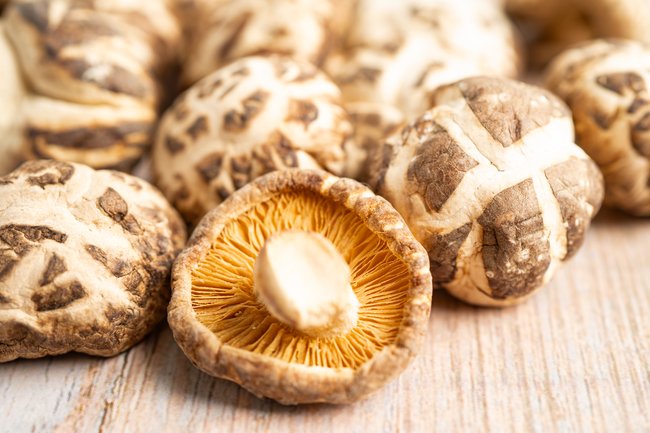
Best known mushrooms:
Reishi, Shiitake
Certain mushrooms contain compounds that support healthy circulation and cholesterol balance. Shiitake, for example, contains lentinan and eritadenine, compounds studied for cardiovascular health.
These benefits work best as part of an overall lifestyle approach, not as a stand-alone solution.
9. Antioxidant Protection
Best known medicinal mushrooms:
Chaga, Turkey Tail
Oxidative stress contributes to aging and chronic disease. Mushrooms rich in antioxidants help neutralize free radicals and support cellular protection.
Chaga is particularly notable here, often described as one of the most antioxidant-rich natural substances.
10. Whole-Body Resilience & Longevity Support
Best known mushrooms:
Reishi, Cordyceps, Turkey Tail
Rather than targeting one system, many medicinal mushrooms support overall resilience—helping the body respond better to stress, illness, and aging.
This is why traditional systems often used mushrooms long-term, in small amounts, as part of daily life rather than short-term interventions. Be sure to consider all the ways to stay healthy while you are supporting your overall health.
How Medicinal Mushrooms Are Commonly Taken
Medicinal mushrooms are available in several forms:
-
Teas and decoctions
-
Capsules and powders
-
Tinctures and extracts
Quality matters. Look for:
-
Fruiting body extracts (not just mycelium on grain)
-
Third-party testing
-
Clear sourcing information
A Word of Caution
While medicinal mushrooms are generally well tolerated, they are not appropriate for everyone. Those who are:
-
Immunocompromised
-
Pregnant or nursing
-
Taking immune-modulating medications
should consult a knowledgeable healthcare professional before use.
Medicinal mushrooms aren’t magic, and they aren’t meant to replace good nutrition, rest, or medical care. What they can do is support the body’s natural systems in a gentle, time-tested way.
Understanding which mushroom does what allows you to choose intentionally rather than chasing trends. When used wisely, medicinal mushrooms can be a valuable part of a thoughtful natural health approach.
As always, please contact me with any questions or comments. Be sure to explore more practical living resources on this website.
About the Author
Pamela M. Rumley, ND is a Doctor of Naturopathy and natural health educator who writes about circulation, nutrition, oxygen delivery, and practical wellness strategies. She previously operated a natural health clinic where she worked directly with clients and studied techniques such as darkfield microscopy to observe live blood samples. Today she focuses on research, writing, and education to help readers better understand how the body works and how lifestyle choices can support long-term wellness.
Credentials
- Doctor of Naturopathy – Trinity School of Natural Health
• Master Herbalist – Dr. Christopher School of Natural Healing
• Certified Natural Health Professional – National Association of Certified Natural Health Professionals
• Former Natural Health Clinic Practitioner
• Training in Darkfield Microscopy and Live Blood Analysis
Learn more at PamRumley.com