
Making-do: Learn to Thrive With Basic Essentials
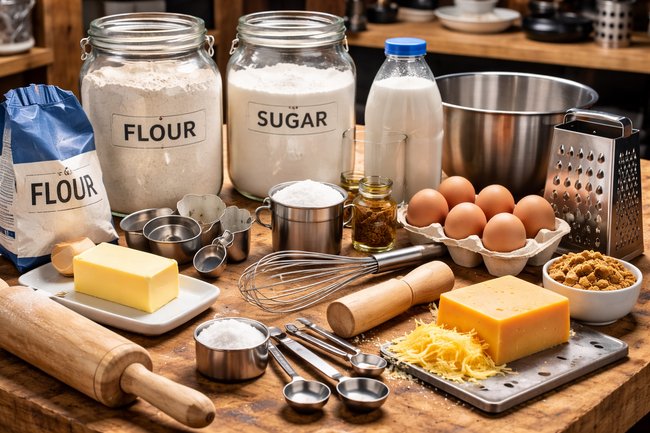
Make-Do Living isn’t about preparing for the worst or living in fear of what might happen. Making do is a lifestyle, a more self-sufficient lifestyle.
It’s about something much quieter — learning how to adapt, improvise, and stay steady when life doesn’t go according to plan.
Long before words like preparedness or self-sufficiency were popular, people simply learned how to make do with what they had. Those skills weren’t strategies or philosophies. They were a way of life.
Life has a way of throwing curve balls at us, and it’s good to be able to care for your family under any circumstances. This page is the foundation for that way of thinking.
What Make-Do Living Really Means
Making-do is the ability to:
-
adjust when resources change
-
solve problems without perfect conditions
-
stay calm when instructions don’t apply
-
rely on experience rather than assumptions
It isn’t about stockpiling or extremes.
It’s about flexibility, common sense, and lived knowledge.
When you’ve learned to make do, you’re not easily shaken by inconvenience — because you already know how to adapt.
What Make-Do Living Is Not
Making-do is not about panic or fear.
It’s not about:
-
hoarding supplies
-
expecting collapse
-
living in constant readiness mode
-
or trying to control every possible outcome
It’s also not about deprivation or hardship for the sake of toughness.
Make-Do Living doesn’t reject modern life — it simply refuses to depend on it completely.

Why Experience Matters More Than Supplies
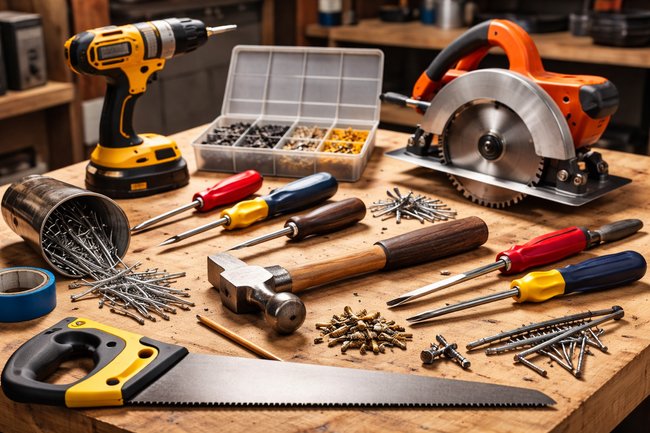
You can buy tools, materials, and supplies.
What you can’t buy is the understanding that comes from using them when things don’t go as planned.
Experience teaches:
-
what actually works
-
what fails under pressure
-
how long things really take
-
where the learning curve is hidden
Make-Do Living is built on experience first — everything else is secondary.
Supplies are helpful, but they’re passive.
Experience is active — and it stays with you.
A Different Kind of Preparedness
Preparedness is often framed as accumulation.
Make-Do Living is about capability.
It’s the difference between:
-
owning something and knowing how to use it
-
having a plan and knowing how to adapt when that plan fails
This mindset applies to everyday life just as much as difficult seasons. It’s useful whether circumstances are calm or uncertain.
Start Here
If this way of thinking resonates, a good place to begin is:
-
The $35 Tomato – a simple lesson in learning curves and real-world experience
-
Why Buying Supplies Isn’t the Same as Being Prepared – understanding the difference between ownership and readiness
More Make-Do Living stories and lessons will be added here over time.
Make-Do Living isn’t a trend or a movement.
It’s a quiet confidence that comes from knowing you can figure things out — even when conditions aren’t perfect. Especially then.
That kind of resilience doesn’t expire, doesn’t depend on systems, and doesn’t require fear to sustain it. As always, please contact me with any questions or comments.

Vertyowdiwjodko kofkosfjwgojfsjf oijwfwsfjowehgewjiofwj jewfkwkfdoeguhrfkadwknfew ijedkaoaswnfeugjfkadcajsfn pamrumley.com
References:
Lollybet Casino Verifizierung http://www.google.com.ai
References:
Lollybet Casino mit Echtgeld https://epsilon.astroempires.com/redirect.aspx?https://lollybet.com.de/
References:
%random_anchor_text% strongholdglobalgroup.com
References:
This Is Vegas Casino Test aintedles.yoo7.com
References:
Wildz Casino Einzahlung https://talenthubsol.com/companies/schnell-ubersichtlich-spielbereit
References:
Candy96 Casino tournaments https://deadbeathomeowner.com/community/profile/mairahowchin786
References:
Candy96 loyalty program garagesale.es
References:
Candy96 payID https://fanajobs.com/profile/daciasparkman8