
What Growing My Own Food Really Taught Me
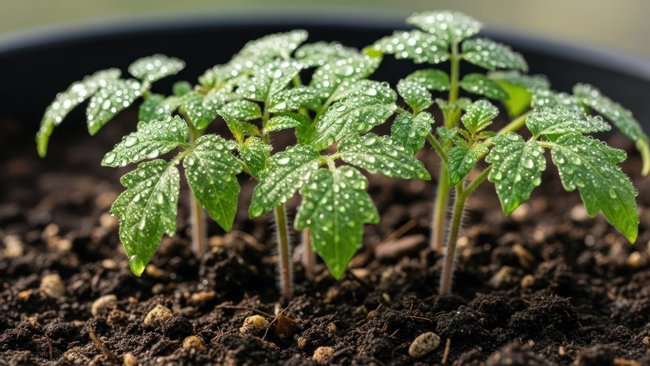
The $35 tomato is the first post in a new series called Self-Sufficient Living. When I was growing up, we didn’t have much, so we learned early how to make do with whatever was available. There were no labels for it back then — it was just life.
These posts aren’t about fear or extremes. They’re about real-world experience, learning curves, and the quiet lessons you only learn by doing.
Sometimes those lessons come from big moments. And sometimes… they come from a tomato.
You might enjoy my post about building a self-sufficient lifestyle.
I once grew the most expensive tomato of my life.
It cost me thirty-five dollars.
Not because it was organic.
Not because it was rare.
And definitely not because it tasted amazing.
It never even made it to my plate.
How a Simple Tomato Became a Lesson
At the time, I was living in a rented house. No garden. No place to dig up the yard. But those upside-down tomato planters were just becoming popular, and they looked perfect for my situation.
So I ordered one.
By the time I bought the planter, garden soil, a healthy tomato plant, and fertilizer, I had spent about $35. I planted it carefully, watered it faithfully, and babied that plant like it was something precious.
Day after day, I checked on it.
And one morning — there it was.
A tomato.
Finally ripening.
Almost ready.
I remember thinking, Tomorrow.
Nature Had Other Plans
The next day, I went out to admire my prize.
Gone.
Not fallen.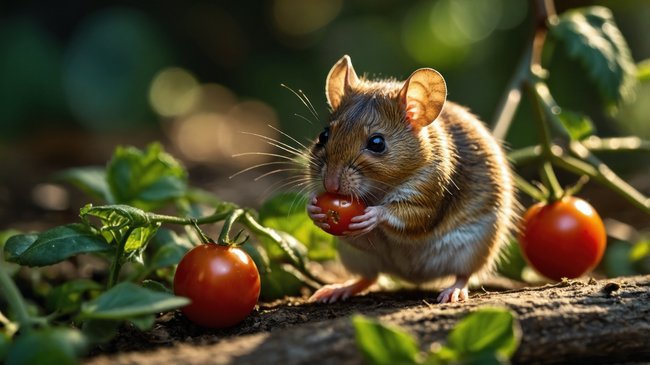
Not damaged.
Gone.
A squirrel — or perhaps his little friend, the mouse — had eaten my tomato for lunch. Just one bite short of perfection.
That was it. My $35 tomato. Harvested by wildlife.
I stood there staring at that empty vine, and I had to laugh. Because as disappointing as it was, it taught me something important — something no gardening article had ever mentioned.
The Lesson No One Talks About
Growing food is not simple.
Buying seeds doesn’t mean food will grow.
Buying equipment doesn’t mean success.
Good intentions don’t protect crops.
There are learning curves. Timing matters. Soil matters. Weather matters. Pests matter. Experience matters.
And critters?
They are very patient. They wait quietly until your crops are perfect — and then they strike.
The next time I planted anything edible, it was inside a fully enclosed wire cage. Experience has a way of correcting optimism.
Why This Matters Beyond the $35 Tomato
That tomato changed the way I think about “preparedness.”
So much advice today sounds easy:
-
“Just grow your own food.”
-
“Just buy seeds.”
-
“Just stock up.”
But real life isn’t a checklist.
Real preparedness isn’t about buying things — it’s about understanding friction. The resistance between plans and reality. The parts nobody mentions because they don’t fit neatly into a list.
That $35 tomato showed me that knowledge and experience are far more valuable than supplies alone. Be sure to read my article on how to ‘make-do’ when times are tight – when you need to make-do with whatever you have on hand.

Make-Do Living Starts With Reality
Before “prepping” had a name, people simply learned how to make do.
They failed.
They adjusted.
They tried again.
They learned where food actually comes from, how long it takes, and how easily plans can unravel. Not from videos or articles — but from lived experience.
Make-Do Living isn’t about fear or extreme scenarios. It’s about understanding that systems fail, nature doesn’t cooperate, and learning curves are real.
And sometimes, the lesson costs you a tomato.
The Bigger Takeaway
That tomato didn’t make me quit growing things.
It made me wiser about how I approach self-sufficiency.
Preparedness isn’t about being perfect.
It’s about learning before you need the lesson.
And if you’ve ever wondered why some people seem calm when plans fall apart — it’s usually because they’ve already paid for their own $35 tomato somewhere along the way.
In the coming weeks, I’ll be sharing more Make-Do Living stories — not from manuals or theories, but from real life. We’ll talk about growing food, everyday preparedness, learning curves no one mentions, and why experience matters more than optimism. If you’ve ever wondered why some advice sounds easy but rarely works out that way, you’re in the right place.
What This Tomato Taught Me Next
That small experience opened my eyes to something bigger — that preparedness is about systems, not stuff, and that optimism needs to be paired with understanding.
That’s where Make-Do Living really begins. As always, please contact me with questions or comments.

Thank you for putting this together! I honestly liked the way you approached “The $35 Tomato | Pam Rumley’s World | Natural
Health, Senior Wellness & Creative Living” — it’s rare to see
this kind of clear explanation. These days I’m digging into online platforms myself,
so I started some notes here: 1win O’zbekiston Looking forward to more!