
Hydrogen/Oxygen Mixture for Health
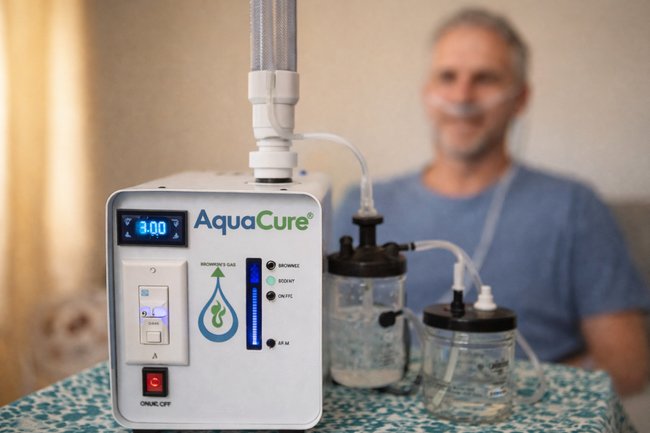
Brown’s Gas—often discussed alongside hydrogen and oxygen—is a topic that frequently appears in alternative and integrative health conversations. It refers to a gaseous mixture created through electrolysis, drawing interest for its unique properties and potential applications. This article explains what Brown’s Gas is, why it attracts attention in wellness discussions, and how it is commonly referenced—without making medical claims or treatment recommendations. Many people exploring alternative wellness topics are also interested in broader lifestyle approaches to gentle, natural health solutions.
Brown’s Gas & Hydrogen? Or Hydrogen Water? What’s the Difference (and Which One Should You Use?)
If you’ve been hearing about Brown’s gas, hydrogen water, or hydrogen inhalation, you’re not alone. These therapies are popping up everywhere—in health clinics, online forums, and even in some hospitals. But if you’re wondering what they actually do and how they’re different, let’s pull up a chair and talk about it.
Think of this as a simple guide—no science degree needed.
Brown’s Gas vs. Hydrogen Inhalation vs. Hydrogen Water: Let’s Break It Down
Here’s a quick snapshot of the three:
-
Hydrogen Inhalation: You breathe in pure hydrogen gas (usually through a nasal cannula).
-
Brown’s Gas: A mix of hydrogen and oxygen—also inhaled, often used for respiratory support. This is a mixture of 66% hydrogen and 33% oxygen.
-
Hydrogen Water: You drink water that’s been infused with hydrogen gas. It looks and tastes like regular water, but it’s been “supercharged.”
All three have antioxidant and anti-inflammatory benefits. They just work in slightly different ways—and in different parts of the body.
So… Which One Do You Use?
Let’s say you’re dealing with inflammation, fatigue, or chronic health issues. Hydrogen in any form helps reduce oxidative stress (which is just a fancy term for the kind of damage that leads to aging and disease).
What the Research Says
Doctors and hospitals (especially in Asia) are using hydrogen therapies to help with:
-
Post-surgery recovery
-
Lung inflammation
-
Chemotherapy side effects
-
Metabolic issues (like high blood sugar or triglycerides)
In some clinical settings, Brown’s gas is preferred for breathing support because it includes oxygen, which helps with lung function and healing.
Meanwhile, hydrogen water is used in studies for everything from arthritis to gut health. It’s easy to add to your day—just drink a glass or two and go.
What Does the Equipment Cost?
Let’s be real—this isn’t like buying a bottle of vitamins. But depending on your goals, it may be worth the investment.
Hydrogen Inhalation Machines:
-
Basic inhalers: $1,400 – $2,200
-
Dual machines (Brown’s gas + hydrogen): $2,200 – $4,000
→ Some even let you make hydrogen water, too.
Hydrogen Water Options:
-
Portable bottles: $150 – $400
-
Pitchers or countertop units: $300 – $700
→ Don’t forget filters or tablets if they’re required.
How Often Should You Use It?
Most people use:
-
Hydrogen water: 1–2 liters per day
-
Inhalation: 15 minutes to a couple of hours, depending on the machine’s output
There’s no strict rule—start slow, listen to your body, and adjust as needed.
What About Hospitals and Clinics?
Believe it or not, some hospitals have already started using hydrogen therapies—especially in places like Japan, South Korea, and China. They’re using it for:
-
Breathing support
-
Recovery after heart surgery or strokes
-
Reducing the side effects of radiation or chemo
You probably won’t find it in every ER just yet, but the research is building fast.
Final Thoughts
Whether you drink it or breathe it in, hydrogen therapy is one of the most promising wellness tools out there.
If your budget allows, getting a machine that does both inhalation and water is ideal. But even starting with a simple hydrogen water bottle is a great way to dip your toe in.
Brown’s Gas continues to generate interest in alternative health conversations, largely because of its unique composition and the curiosity surrounding hydrogen and oxygen. While it remains outside mainstream medical practice, understanding what it is—and how it’s discussed—allows readers to make informed, thoughtful decisions as they explore broader wellness topics. Education and context remain essential when navigating any emerging or non-traditional health ideas.
Discussions about gases and energy often appear alongside interest in environmental factors that influence wellness, such as light exposure and daily rhythms.No matter where you start, you’re supporting your body in a gentle, powerful way. As always, please contact me with any questions or comments.
About the Author
Pamela M. Rumley, ND is a Doctor of Naturopathy and natural health educator who writes about circulation, nutrition, oxygen delivery, and practical wellness strategies. She previously operated a natural health clinic where she worked directly with clients and studied techniques such as darkfield microscopy to observe live blood samples. Today she focuses on research, writing, and education to help readers better understand how the body works and how lifestyle choices can support long-term wellness.
Credentials
- Doctor of Naturopathy – Trinity School of Natural Health
• Master Herbalist – Dr. Christopher School of Natural Healing
• Certified Natural Health Professional – National Association of Certified Natural Health Professionals
• Former Natural Health Clinic Practitioner
• Training in Darkfield Microscopy and Live Blood Analysis
Learn more at PamRumley.com
Here’s a quick guide:
| If you’re dealing with… | Try this… |
|---|---|
| Lung issues (asthma, COPD, COVID recovery) | Brown’s Gas Inhalation |
| Neurological or metabolic concerns | Pure Hydrogen Inhalation |
| General wellness, digestion, energy boost | Hydrogen Water |
| All of the above? | A mix of water + inhalation
|

Pingback: Improve Circulation Naturally After 60 |