

Seller’s Market or Buyer’s Market? What You Need to Know Before Buying or Selling
Understanding whether you’re in a seller’s market or a buyer’s market is one of the most important steps in making smart real estate decisions. This is part of everyday living that affects most everyone at some point.
Market conditions influence pricing, negotiation power, timing, and expectations—yet many homeowners feel unsure about how to interpret what they’re hearing in the news or from others. A seller’s market and a buyer’s market create very different dynamics, and knowing which one you’re in can help you approach buying or selling with clarity rather than guesswork.
This article breaks down the differences in a simple, practical way so you can better understand how market conditions affect your options.
Real estate markets are always shifting. A sellers market or a buyers market is dependent upon how many months of inventory your current market has on the market. One year it’s a red-hot seller’s market, and the next it cools into a buyer’s advantage. If you’re preparing to buy or sell, understanding where the market stands is your key to making smart, confident decisions.
This guide walks you through the difference between a seller’s market and a buyer’s market — and how to navigate both like a pro. Understanding market conditions is a key part of finding the right real estate help for homeowners, especially when navigating major financial decisions.
How to Tell if It’s a Sellers Market or Buyers Market
A simple way to know the market type is to check inventory levels (also known as absorption rate):
-
Less than 6 months of inventory = Seller’s Market
-
More than 6 months of inventory = Buyer’s Market
You can also look at overall market behavior:
-
Seller’s Market: Low inventory, homes sell fast, bidding wars happen
-
Buyer’s Market: Lots of listings, slower sales, and more negotiation room
Seasonal Tip: Even in a seller’s market, timing matters. For example, lake homes may sell faster in the spring but slow down by fall — giving buyers an edge.

Buying in a Seller’s Market: How to Stand Out
If you’re buying a home during a hot market, competition is fierce. Here’s how to position yourself to win:
-
Get pre-approved before you ever walk through a home.
-
Sellers and their agents won’t take offers seriously without it.
-
-
Know what and where you want to buy.
-
Narrow your search so you can act quickly when the right home pops up.
-
-
Don’t hesitate.
-
Waiting even one day could mean losing the home to another buyer.
-
-
Be ready to offer full price — or more.
-
In a multiple-offer situation, it’s often the cleanest or strongest offer that wins.
-
-
Include seller-friendly terms.
-
Flexible possession, limited repairs, or even a friendly letter from you can make a difference.
-
-
Work with an experienced Realtor.
-
A good buyer’s agent can preview homes for you, give honest opinions, and help you move fast. If your housing decisions need to support changing family needs – if you are looking for a home for multi-generational living – the right Realtor will be invaluable.
-
Selling in a Buyer’s Market: How to Stay Competitive
Selling in a slower market doesn’t mean you’re out of luck — it just means you have to work a little smarter.
Here’s how to make your home stand out:
-
Price it right.
-
Use an in-depth market analysis to avoid overpricing.
-
-
Fix deferred maintenance issues.
-
Buyers have more choices and higher expectations.
-
-
Pre-inspect.
-
Address major concerns before a buyer brings in their own inspector.
-
-
Clean and stage well.
-
First impressions count more than ever when buyers aren’t rushing.
-
-
Boost curb appeal.
-
Trim landscaping, clean the roof, and make the front entry inviting.
-
-
Sweeten the deal.
-
Offer a 1-year home warranty, pay HOA fees in advance, or include appliances.
-
Smart Tips for Buyers in a Buyer’s Market
Even with more options, don’t let your guard down:
-
Do your homework.
Check everything from disclosures to flood zones to repair history. -
Look under the surface.
Staging is great, but it can cover flaws. Lift rugs. Inspect behind furniture. Ask questions. -
Know that listing sheets can have errors.
Double-check important details with your agent.
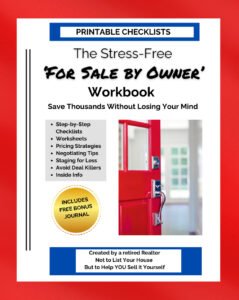
Planning on selling your house ‘For Sale by Owner’? I’ve personally written a FSBO Workbook Guide just for you! It will walk you through every step of the way. Check it out…
Final Thoughts
The market will always shift — but if you stay informed, you can move forward with confidence. Whether you’re trying to sell your home without a listing agent, or buy the right home in a tough market, it all comes down to preparation. Seller’s Market or Buyer’s Market? It takes some digging to find the information you need, but it’s information that is critical to your home sale or purchase.
Whether the market favors buyers or sellers, informed decisions matter more than headlines. Market conditions change, but understanding how they influence pricing, negotiation, and timing helps homeowners stay grounded and confident throughout the process.
By learning the basics of how real estate markets work, you’re better equipped to ask the right questions, weigh your options, and move forward in a way that aligns with your goals—regardless of which side of the market you’re on.
Well done is always better than well said. Let’s do this right.
Need help figuring out your next move?
Reach out anytime — I’m here to help.

1