How to Get Through a Winter Power Outage – Simple, Common-Sense Steps That Really Help
Most people don’t panic when they hear about a winter power outage. They think, “We’ve had snow before. We’ll be fine.”
And usually, that’s true.
But every once in a while, a storm comes along that people aren’t accustomed to — extreme cold, heavy snow, ice, long power outages — the kind that strain systems and leave folks uncomfortable for days, not hours.
Getting through something like that isn’t about fancy equipment or fear. It’s about thinking ahead, using what you already have, and knowing how to stay warm, hydrated, and steady if the lights go out.
This isn’t a survival manual. It’s country common sense — a self-sufficient lifestyle – the kind that keeps families, older folks, and animals safe when things get quiet and cold.
AFTER WINTER STORM FERN – We spent a week without power….check out what we learned!
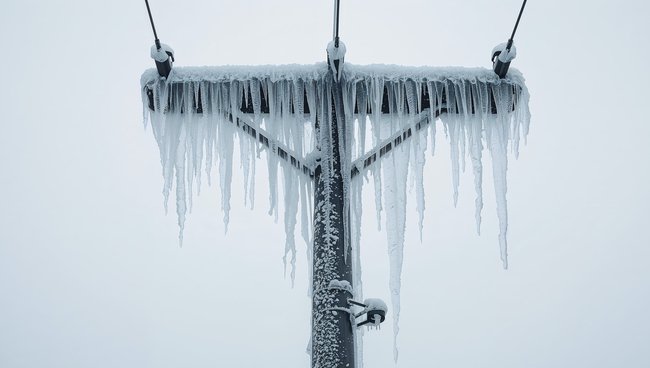
First Things First: Shrink Your World
The biggest mistake people make is trying to live normally during a winter power outage. You can’t heat the whole house without electricity — and trying will leave you cold and exhausted.
Pick one room and make it your warm place.
Look for:
-
A smaller room
-
Fewer outside walls
-
A door you can close
-
A place everyone (and pets) can stay together
Bedrooms and living rooms usually work best.
Once you choose it, close off the rest of the house. That alone can make a surprising difference. You’ll be glad to had enough ‘make-do essentials’ to be prepared for this winter power outage.
Seal the Room and Keep the Heat You Have
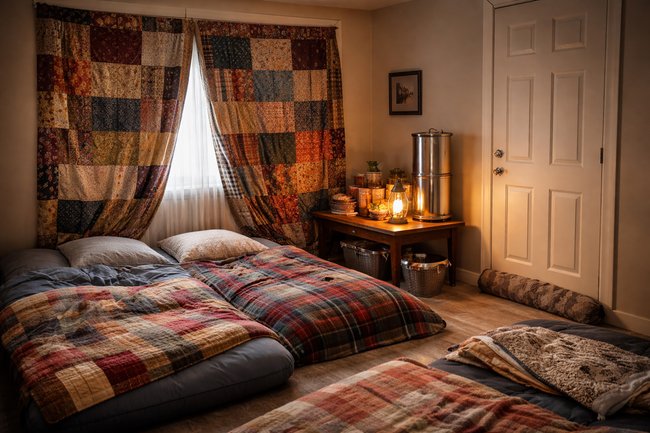
Heat loss happens faster than people realize.
Easy things that help:
-
Roll towels or blankets and block gaps under doors
-
Hang quilts or blankets over windows
-
Close curtains and blinds
-
If needed, hang a blanket inside the doorway as a second barrier
You’re not trying to make it cozy — you’re trying to hold on to the warmth you already have.
Dress Like You’re Going Outside — Even Indoors
Don’t wait until you’re chilled.
-
Wear layers (two thin layers are better than one thick one)
-
Put on a hat or knit cap
-
Wear warm socks, even to bed
-
Keep a sweater or jacket on
Heat is easier to keep than to regain.
When sitting or sleeping:
-
Stay off the floor
-
Use couches, beds, or chairs
-
Tuck blankets around you to trap body heat
Blankets and quilts are safer than any improvised heat source.
Water: This Is Where People Get Caught Short
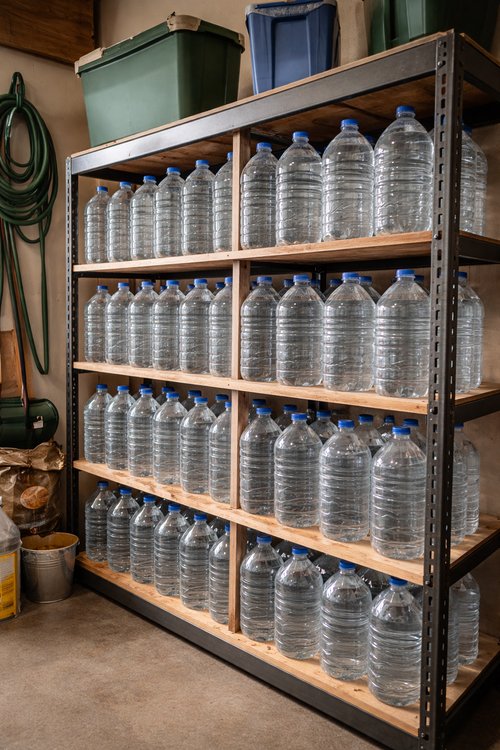
People often assume water will keep flowing. Sometimes it does — sometimes it doesn’t. You have to be prepared for simple everyday living in these situations.
-
City water may continue for a while, but pressure can drop
-
Well water will not work without electricity
The safest plan is to assume water may stop.
Drinking water
Aim for:
-
At least 1 gallon per person per day
Fill:
-
Water bottles
-
Pitchers
-
Clean soda bottles
-
Jugs of any size
Store them where they won’t freeze if the house gets cold.
Water for toilets, cleaning, and basic needs
This is just as important — and often forgotten.
Fill:
-
Bathtubs
-
Buckets
-
Empty detergent bottles (rinsed)
-
Any clean container you have
This water is not for drinking. It’s for:
-
Flushing toilets
-
Washing hands
-
Basic cleaning
To flush a toilet without running water:
-
Pour 1–2 gallons quickly into the bowl
-
Gravity does the rest
Knowing this prevents panic and sanitation problems.
What to Stock Up On Before a Winter Storm (Keep It Simple)
When bad weather is coming, people tend to rush the store and buy things they don’t really need — or forget the basics that actually matter when the power goes out.
You don’t need fancy food or expensive gear. You need items that work without electricity, are easy to prepare, and keep people warm and fed.
Here’s a practical, realistic list for simple, self-sufficient living.
Drinking Water Comes First
Water is more important than food.
-
Store at least 1 gallon per person per day
-
More is better if you have pets
-
Use:
-
Bottled water
-
Clean jugs
-
Refilled soda bottles
-
Any container that will hold water
-
If you have a well, remember:
No power = no water.
Fill containers before the storm hits.
Food That Requires NO Cooking
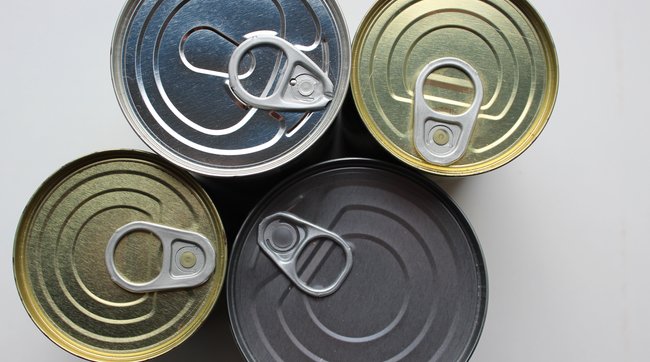
Assume you may not be able to cook.
Good choices:
-
Canned soups (especially hearty ones)
-
Canned beef stew
-
Chicken & dumplings
-
Chili
-
Canned pasta meals
-
Ready-to-eat meals with pull tabs
⚠️ Many people don’t own a manual can opener anymore.
If you buy cans without pull tabs, make sure you have one.
Dry Foods That Go a Long Way
These stretch meals and keep people satisfied.
-
Crackers (lots of them)
-
Instant mashed potatoes
-
Rice or instant rice
-
Oatmeal packets
-
Powdered milk
-
Peanut butter
-
Shelf-stable milk
-
Bread or tortillas (freeze extras if possible)
These foods are:
-
Filling
-
Familiar
-
Easy to eat even cold
Paper Goods and Household Basics
Running out of these adds stress fast.
-
Toilet paper
-
Paper towels
-
Napkins
-
Trash bags
-
Baby wipes or wet wipes (great for quick cleanup)
Also helpful:
-
Thin towels that dry quickly
-
Dish towels
-
Extra washcloths
Simple Comfort Items Matter
Storms are hard mentally as well as physically.
Consider:
-
Coffee or tea
-
Sugar or honey
-
Snacks
-
Comfort foods for children or seniors
Morale matters when things get cold and quiet.
Don’t Forget Pets
Pets rely on you completely.
-
Extra pet food
-
Extra water
-
Bowls that won’t tip
-
Blankets or bedding
-
Litter (for cats)
Outside animals need:
-
Extra feed
-
Liquid water (not frozen)
-
Wind protection
One Final Thought
You don’t need to “panic buy.”
You just need to ask:
“What would I need if I couldn’t cook, couldn’t drive, and had no power for a few days?”
If you can answer that calmly before the storm, you’ll be far better off than most.
Safe Light and Heat — What Not to Do
This is important enough to say plainly.
Do NOT use indoors:
-
Grills
-
Camp stoves
-
Gas ovens for heat
-
Fireplaces without proper ventilation
-
Heaters not rated for indoor use
Carbon monoxide is silent and deadly.
If in doubt, use blankets, not flame. We were extremely thankful that we had installed an EMP Shield to protect appliances and computers from the power surge when the power came back on.
Pets: They Depend on You More Than You Think

Pets are often overlooked during storms.
Indoor pets
-
Keep them in your warm room
-
Make sure they have fresh water (bowls can freeze)
-
Set aside extra food
-
Give them blankets or towels to lie on
Small animals lose heat faster.
Outdoor animals
Cold and wind are dangerous — especially without water.
-
Bring animals inside if possible
-
Block wind and keep bedding dry
-
Use straw or hay for insulation
-
Check water frequently — buckets freeze fast
-
Break ice and refill as needed
Animals can survive cold far better than dehydration.
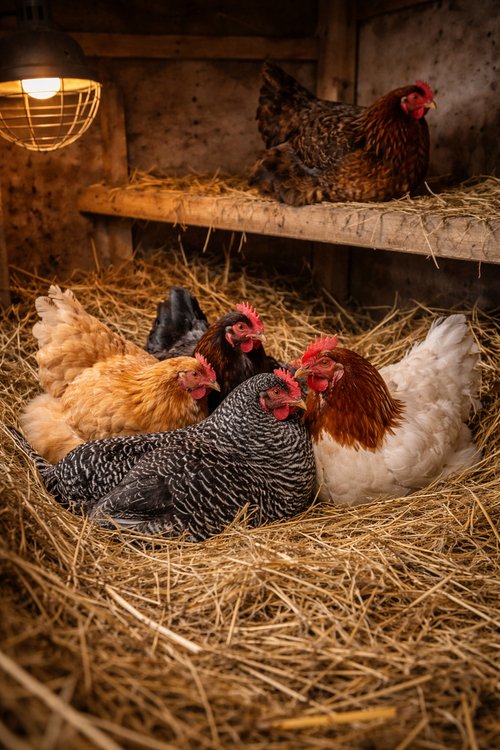
A Note for People With Chickens During Extreme Cold
Chickens handle cold better than people think — as long as they’re dry, out of the wind, and cared for properly. The danger isn’t the cold itself so much as drafts, frozen water, and lack of calories.
Don’t bring chickens inside
As tempting as it sounds, chickens should not be brought into the house or garage. The mess, dust, and ammonia from droppings make that unsafe for both people and birds.
Instead, focus on making the coop safer and warmer.
Block drafts, not airflow
-
Close gaps where wind blows directly on the birds
-
Do not seal the coop airtight — moisture buildup causes more problems than cold
-
Dry bedding is critical
Cold + damp is what harms chickens.
Extra bedding helps them stay warm
-
Straw or hay in the roosting area gives them something to snuggle into
-
Deeper bedding helps trap warmth
-
Chickens naturally huddle together for heat
Think insulation, not heaters first.
Heaters: only safe ones
If you use a heater, it must be:
-
A radiator-style heater
-
Designed for coop use
-
Securely mounted
-
No exposed heating elements
Avoid heat lamps — they are a fire hazard.
Heaters should take the edge off the cold, not make the coop warm like a house.
Water freezes fast — plan for it
Water access is one of the biggest challenges.
What works:
-
Give smaller amounts of water several times a day
-
Enough for them to drink before it freezes
-
This saves you from constantly breaking ice
If you have a heated water base, great — if not, frequent small refills work just as well.
Chickens can survive cold — they cannot survive dehydration.
Feed them more
Chickens burn more calories staying warm.
-
Increase feed slightly during extreme cold
-
Scratch grains in the late afternoon help them generate warmth overnight
-
Make sure food stays dry
More calories = better cold tolerance.
The simple rule
Dry, fed, watered, and out of the wind — that’s what keeps chickens safe in winter.
You don’t need fancy setups.
You just need steady care and common sense.
Check on Someone Nearby
Preparedness isn’t just personal.
If you can, check on:
-
An elderly neighbor
-
Someone living alone
-
Someone with medical issues
Ask specific questions:
-
“Do you have heat if the power goes out?”
-
“Do you have food you don’t need to cook?”
-
“Do you have water?”
Specific questions get honest answers.
Stay Put and Stay Calm
Travel during winter storms is dangerous.
-
Roads ice before they look icy
-
Help may be delayed
-
Staying home is often the safest choice
Move slowly, conserve energy, and focus on the basics:
warmth, water, food, and rest.
The Simple Truth
Getting through a winter power outage isn’t about having everything.
It’s about knowing what matters. If you would like a FREE emergency essentials checklist – just click here.
Cold is uncomfortable — but manageable.
Dehydration and exposure are not.
A few calm decisions, made ahead of time, can make all the difference for families, older folks, and animals alike. Please contact me with questions or comments…and enjoy other informative articles in this website.