A Week Without Power! Lessons in Preparedness, Neighbors, and What Really Matters
The news reports warned us. A bad storm was coming.
We talked about it, prepared as best we could, and hoped it wouldn’t be as severe as predicted.
It was.
Just stepping outside, you could hear trees cracking and falling in the distance. Roads were blocked, power lines were down, and for many of us, electricity was gone for days — not hours.
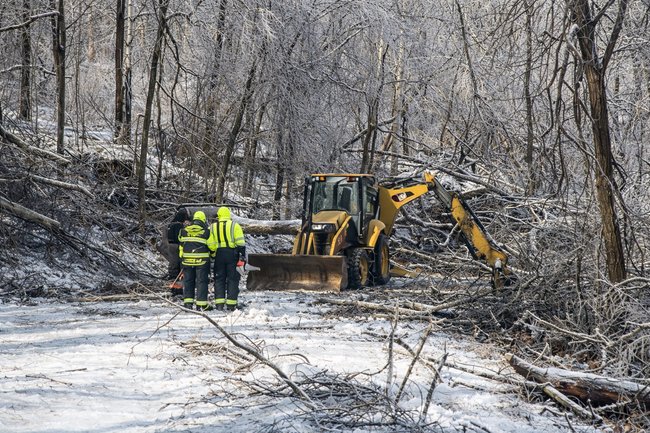
What followed wasn’t panic. It was adjustment. And a lot of learning. This picture is our road after winter storm FERN.
Modern Homes Can Become Vulnerable Very Quickly
One thing became very clear almost immediately: all-electric homes are especially vulnerable during extended power outages.
When the power goes out, it’s not just the lights:
-
No heat
-
No stove for cooking
-
No hot water
-
No water at all for homes on a well
Within a short time, even newer homes can become unlivable.
This isn’t fear-based thinking. It’s reality. And it’s why every household should have a backup heat plan. Not someday. Not “if we get around to it.” A plan. Think ‘self-sufficient’ lifestyle.
Some of the links on this website are affiliate links, which means that I may receive a small commission. There is never any additional cost to you! Thank you for your support!
Medical Needs Raise the Stakes
This storm was especially concerning for households with medical needs. Some neighbors rely on oxygen, powered medical devices, or refrigerated medications. When electricity disappears, those needs don’t pause.
It reinforced how important it is for families to think ahead:
-
Extra medication on hand
-
Battery backups for essential equipment
-
A plan for relocating if necessary
These aren’t dramatic scenarios — they’re practical considerations.
Backup Heat Options (What We Learned)
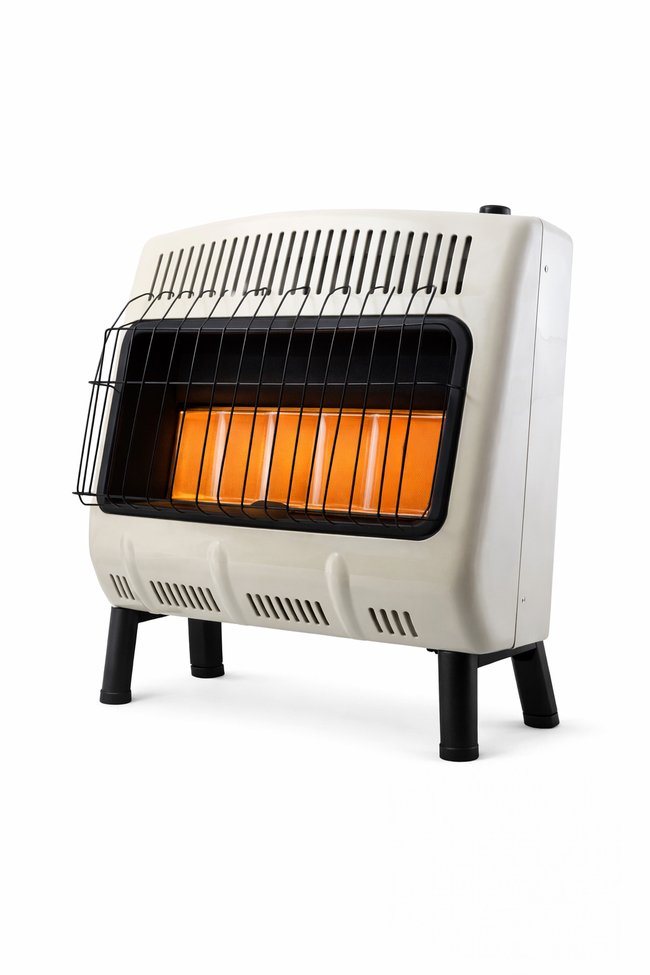
There’s no one-size-fits-all solution, but here are some options people relied on or wished they had:
-
Indoor propane heaters – Portable or wall-mounted, small enough for one room or larger spaces. Some can run on small canisters; others connect to an outdoor propane tank.
-
Solar battery power stations – Not typically enough to heat a home, but very helpful for charging phones, lights, and certain medical equipment.
-
Wood-burning stoves or fireplaces – Messy and labor-intensive, but extremely effective when properly designed and used. Many allow cooking on a flat surface.
-
Whole-house generators – These automatically restore power and can run on natural gas or propane.
-
Portable generators – Useful for refrigerators and essential appliances, but must always be used outdoors — never in a garage or home.
A carbon monoxide detector is essential when using any alternate heat or power source.
Cooking Without Power: Simple, Practical Solutions
When electricity disappears, cooking becomes an immediate challenge.
Some easy options:
-
Sandwich supplies (tuna, chicken, peanut butter)
-
Foods that don’t require cooking
-
Pre-baking meals if you know a storm is coming

And one thing that came up again and again:
Have a manual can opener.
Neighbors found creative solutions:
-
One family cooked soup on a BBQ grill using boxed broth, canned vegetables, and a large roasting pan.
-
Another used cast iron cookware and hot embers from a fireplace to prepare meals. He put the embers into the cast iron skillet then put the food into a pan to cook on top of the embers.
-
Big pots of soup, stew, or chili — made ahead of time — turned out to be incredibly useful.
Even cold meals can work in a pinch. Warm food is comforting, but nourishment matters most.
Warmth, Comfort, and Small Details That Matter
Staying warm required layering:
-
Thick socks
-
Thermal clothing
-
Gloves and winter hats indoors
-
Multiple blankets — sometimes six or more
Some people used their cars briefly to warm up and charge phones. Others stayed in one room to conserve heat.
Little things made a difference:
-
Battery-operated strip lights for dark kitchen areas
-
Larger inverters to power small essentials. An inverter converts power from a battery or vehicle into usable electricity so you can run small appliances or charge phones during a power outage. We learned the hard way that not all inverters are created equal. The ones we had were too small for most practical uses, which made us realize the importance of choosing one with enough capacity for real-life needs.
-
Paper plates to reduce dishwashing when water was scarce
- What this week taught us is that it’s often the small, overlooked details — drainage, lighting, water use — that make daily life harder during an outage. Thinking through them ahead of time brings peace of mind when things go wrong.
Water: As Important as Heat
Water became just as critical as warmth.
We carried five-gallon buckets of water for flushing, cleaning, and basic needs.
Helpful reminders:
-
Fill bathtubs as soon as trouble appears
-
Store water in sturdy containers (not milk jugs)
-
Use rain barrels where allowed
-
Remember: water heaters often hold 30–80 gallons in an emergency
When pipes freeze or wells lose power, having water already on hand makes an enormous difference. 1 gallon per person a day is recommended, but I’m here to tell you that it’s not enough. It takes 2 gallons just to flush a toilet.
Simple Hygiene Makes a Big Difference
One small thing that helps is having wet wipes on hand. When water is limited, they’re a simple way to freshen up, wash hands, or clean up spills. They don’t replace bathing, but they do make a long outage much more manageable — especially for children, older adults, or anyone who isn’t feeling well.
Things We Noticed Along the Way
-
A heated chicken waterer didn’t work as planned — those crazy chickens never learned how to use it. That meant hauling fresh water morning and evening so it wouldn’t freeze.
-
The refrigerator in the house had to be emptied, but the one in the garage stayed cold all week — an unexpected bonus. When it became clear the power would be off for an undetermined length of time, we moved refrigerated food into a large cooler and packed it with ice. Since we had snow and ice outside, we used what was already available, scraping ice and snow off the tops of the vehicles instead of digging it up from the ground. That simple step helped keep food safe longer and prevented unnecessary waste.
-
One unexpected frustration was the garbage disposal. There wasn’t food stuck in it, but without power it wouldn’t drain properly, so the sink kept backing up. I ended up washing dishes in small pans — one for soapy water and one for rinsing — and still had water pooling in the sink. The very first thing I did when the power came back on was run that disposal.
-
One small thing many people don’t think about is laundry. If storms are in the forecast and power outages are possible, it’s smart to do laundry ahead of time. When the power goes out mid-cycle, clothes can sit wet in the washer for hours or even days, leading to mildew and a mess you don’t need during an already stressful situation. Clean clothes, towels, and bedding are something you’ll be glad to have if the power stays off longer than expected.
-
Another thing we were thankful for was having an EMP Shield installed on our home. When the power finally surged back on, there’s always that split second of wondering what might get fried — refrigerator boards, HVAC systems, well pumps, or electronics. We had installed the EMP Shield as an extra layer of protection against power surges and grid disturbances, and it gave us real peace of mind. Whether it’s a lightning strike, a transformer issue, or a sudden restoration surge, protecting major appliances is one less thing to worry about during an already stressful situation.
Storms have a way of revealing what works — and what doesn’t.
Babies and Young Children: Extra Planning Matters
One situation that stayed with me throughout the week involved families with babies and young children. Staying warm is important for everyone — but for infants, it’s essential.
Babies can’t regulate their body temperature the way adults can. They also can’t tell you when they’re too cold. During a prolonged outage, that changes how families have to think and plan.
Some families stayed together in one room where there was a heat source, bringing in air mattresses and bedding so everyone could stay close and warm. Others layered clothing, used sleep sacks, and kept a close eye on room temperatures.
What became clear is that homes and heating sources designed for occasional comfort aren’t always suited for extended outages, especially when children are involved. Many fireplaces in newer homes are meant more for ambience than long-term heating, and families may not realize that until they need them most.
A few gentle but important considerations for families with babies or young children:
-
Know exactly how any fireplace or heater in your home is designed to be used
-
Install and test carbon monoxide detectors
-
Plan a safe way to keep one room warm rather than the whole house
-
Have extra blankets, warm sleepwear, and baby-appropriate layers
-
Consider where you would go if your home became too cold — even temporarily
This isn’t about fear. It’s about giving parents peace of mind before a stressful situation arises.
Don’t Forget About Pets
During the outage, it became very clear that pets rely on us just as much as children do. Make sure you have extra food, fresh water, and a warm place for them to sleep. Smaller pets and older animals can get cold quickly, so blankets or letting them stay close to you can make a big difference. If your pet takes medication, having an extra supply on hand is also important.
And Then There Were the Neighbors
One of the most meaningful lessons had nothing to do with supplies.
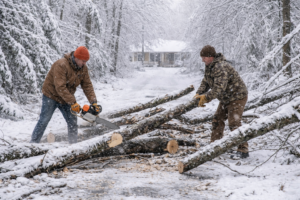
Two large trees fell across our driveway. We had no equipment to handle them and didn’t know what we were going to do.
At some point — we never even saw who it was — a neighbor came, cut the trees up, and cleared the driveway. What a blessing!
No announcement. No credit taken.
Just help.
That moment reminded us that preparedness isn’t only about gear — it’s about people. Checking on neighbors. Helping quietly. Being willing to step in when someone else can’t.
Final Thoughts
This experience wasn’t about fear or panic. It was about awareness.
Modern life runs smoothly — until it doesn’t. And when systems fail, even temporarily, having backup heat, water, and a basic plan brings peace of mind.
Just as important? Knowing you’re not alone.
A little preparation helps you take care of yourself — and maybe someone else, too.
As always, please contact me with any questions or comments. You’ll find more articles about self-sufficiency in this website. AND I’ve prepared an emergency essentials checklist for you – hope you enjoy.