
Red Blood Cells: Structure, Size, Shape & What It Means for Your Health
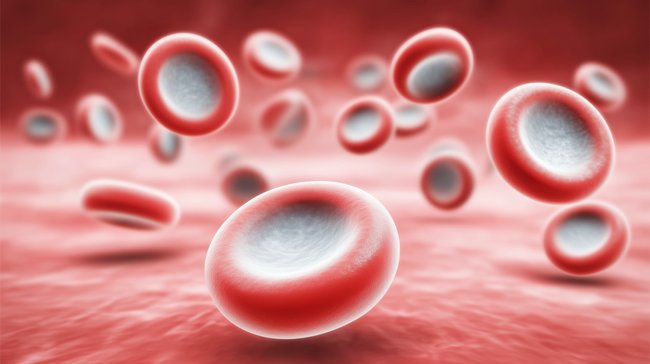
Most people know these red blood cells have something to do with oxygen. But few understand just how important their structure, size, and production are to overall health.
These tiny discs make up nearly half of your blood volume and are responsible for one of the most critical jobs in the body: transporting oxygen to every tissue, organ, and cell.
When something shifts — even slightly — it can affect energy levels, brain clarity, heart health, and more.
Let’s break this down in a way that actually makes sense.
The Main Function and Purpose
The main function of red blood cells is simple but essential: they carry oxygen from the lungs to the tissues and return carbon dioxide back to the lungs to be exhaled. That oxygen delivery process fuels:
-
Brain function
-
Muscle contraction
-
Cellular energy production
-
Organ performance
Without proper oxygen transport, fatigue sets in quickly. When delivery becomes impaired, chronic issues can follow.
It’s important to know how oxygen moves through the bloodstream.
In short, their purpose is life support at the cellular level.
Structure and Shape: Why Design Matters
The structure of these cells is remarkable.
They are:
-
Round
-
Flattened
-
Indented in the center
-
Flexible
Under a microscope, they appear as biconcave discs — almost like a doughnut without a hole.
That unique shape increases surface area for oxygen exchange and allows them to squeeze through extremely narrow capillaries. If they were rigid spheres, circulation would suffer.
Flexibility is not optional. It is necessary for survival.
Red Blood Cells Size: Why It’s Important
Size matters more than most people realize.
Healthy cells measure about 6–8 micrometers in diameter. Lab reports often reflect this through measurements like MCV (mean corpuscular volume).
When red blood cells are small, it often points toward iron deficiency or certain chronic conditions. Small cells carry less hemoglobin, which reduces oxygen delivery capacity.
On the other hand, unusually large cells may indicate B12 or folate deficiencies.
Subtle shifts in size can signal early imbalances long before major symptoms appear.
Red Blood Cells Production: Where They Come From
Production occurs in the bone marrow in a process called erythropoiesis.
This process depends on:
-
Iron
-
Vitamin B12
-
Folate
-
Adequate protein
-
Healthy kidneys (which release erythropoietin)
When production slows, oxygen delivery decreases.
When production increases excessively, blood may thicken, making circulation more difficult.
Balance is everything.
Red Blood Cells Percentage in Blood
These cells make up approximately 40–45% of total blood volume. This measurement is known as hematocrit.
If the percentage in blood drops too low, oxygen transport becomes inefficient.
If it rises too high, blood viscosity increases — which can stress the heart and raise clotting risk.
Lab ranges matter — but trends matter more.
When Levels Are Slightly Elevated
Seeing “red blood cells slightly elevated” on a lab report can be concerning, but context matters.
Mild elevation may occur due to:
-
Dehydration
-
Living at high altitude
-
Smoking
-
Lung conditions
-
Hormonal shifts
It does not automatically mean disease. However, persistent elevation requires evaluation to rule out underlying causes affecting oxygen balance.
Red Blood Cells Diseases
There are several disorders that affect these oxygen-carrying cells.
Some common red blood cells diseases include:
-
Iron-deficiency anemia
-
Pernicious anemia
-
Sickle cell disease
-
Thalassemia
-
Polycythemia
Each condition alters structure, production, or lifespan.
For example, sickle cell disease changes the normal disc shape into a crescent, impairing flexibility and oxygen delivery. Polycythemia increases production excessively, thickening the blood.
These diseases highlight how delicate the balance truly is.
Red Blood Cells Types
While most circulating cells share a similar appearance, they can vary based on:
-
Size
-
Hemoglobin concentration
-
Developmental stage
Types may be classified as:
-
Normocytic (normal size)
-
Microcytic (small)
-
Macrocytic (large)
These distinctions help physicians determine underlying causes of fatigue, weakness, or abnormal lab findings.
What Is Red Blood Cells Rouleaux?
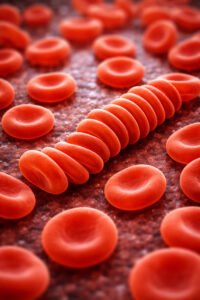
Under certain conditions, cells can stack together in formations that resemble coins. This is known as rouleaux formation.
Rouleaux may appear under a microscope when inflammation, high protein levels, or certain disorders are present.
When cells stack instead of flowing freely, circulation efficiency decreases.
It’s one of those subtle lab clues that can point to deeper inflammatory processes.
What You See Under a Microscope
When viewed through a red blood cells microscope slide, healthy cells look uniform and evenly spaced.
Signs of imbalance may include:
-
Variation in size (anisocytosis)
-
Variation in shape (poikilocytosis)
-
Clumping or stacking
-
Pale centers indicating low hemoglobin
Microscopic evaluation provides insight that basic lab numbers sometimes miss.
Why Oxygen Delivery Is Everything
Remember: these cells carry oxygen.
Oxygen fuels mitochondria — the energy factories inside each cell. Without sufficient delivery of oxygen:
-
Muscles fatigue
-
Healing slows
-
Immune response weakens
Even small disruptions in structure, size, or production can ripple through the entire body. Your body will give you circulation problem symptoms when you pay attention to your health. Inflammatory processes in the body may also influence circulation and oxygen delivery. Understanding the broader picture can be helpful, including learning about the causes and symptoms of chronic inflammation in the body.
Trace minerals such as iodine play a role in metabolism and oxygen utilization throughout the body.
Final Thoughts
These tiny discs may seem insignificant, but they determine how well every part of your body functions.
Understanding their:
-
Structure
-
Shape
-
Size
-
Production
-
Percentage in blood
-
Disease patterns
…gives you a deeper look into your overall health.
If your lab report shows small cells, slightly elevated counts, or unusual patterns, it’s not something to panic over — but it is something to investigate.
Your blood tells a story.
And learning how to read it puts you one step ahead.
Related Circulation and Blood Health Articles
Understanding how red blood cells carry oxygen through the body helps explain several common symptoms related to circulation and nerve health.
You may also find these articles helpful:
• Why Are My Toes Numb? (causes and circulation factors)
• Why Are My Hands and Feet Always Cold?
• Tingling Hands and Feet: Possible Causes
• Magnesium and Circulation
• Oxygen Delivery in the Body
About the Author
Pamela M. Rumley, ND is a Doctor of Naturopathy and natural health educator who writes about circulation, nutrition, oxygen delivery, and practical wellness strategies. She previously operated a natural health clinic where she worked directly with clients and studied techniques such as darkfield microscopy to observe live blood samples. Today she focuses on research, writing, and education to help readers better understand how the body works and how lifestyle choices can support long-term wellness.
Credentials
- Doctor of Naturopathy – Trinity School of Natural Health
• Master Herbalist – Dr. Christopher School of Natural Healing
• Certified Natural Health Professional – National Association of Certified Natural Health Professionals
• Former Natural Health Clinic Practitioner
• Training in Darkfield Microscopy and Live Blood Analysis
Learn more at PamRumley.com

Pingback: Oxygen Delivery - The Overlooked Brain Fog Link |
Pingback: Best Rollators for Seniors Who Want to Stay Independent |
Pingback: 7 Reasons Oxygen Delivery Declines After 50 (And What You Can Do About It) |
Pingback: Low Magnesium Symptoms After 50 (Signs You Shouldn’t Ignore) |
Pingback: Magnesium for Sleep: Why You Wake at 2–4 AM |
Pingback: Magnesium and Heart Palpitations |
Pingback: Magnesium for Muscle Cramps and Tightness |
Pingback: Healthy Aging Starts with Oxygen |
Pingback: Why Oxygen and Circulation Matter for Brain Health After 50 |
Pingback: Cold Hands and Feet After 50? |
Pingback: Low Oxygen at Night After 50 |
Pingback: DMSO - A Forgotten Natural Healer |
Pingback: Fingernail Analysis - Clues to Your Health |
Pingback: Tongue Health Signs |
Pingback: Poor Circulation | 10 Signs You Shouldn't Ignore |
Pingback: 15 Signs Your Body May Be Low in Oxygen | Pam Rumley’s World | Natural Health, Senior Wellness & Creative Living
Pingback: Are You Iodine Deficient? The Overlooked Mineral |
Pingback: Magnesium: Health Benefits, Types, and How It Supports the Body |
Pingback: Why Do My Legs Cramp at Night? Causes and Natural Solutions |
Pingback: Rebounding Exercise: Benefits for the Lymphatic System, Circulation, and Healthy Aging |