The $400 Car Wires Lesson
Many of today’s modern products are marketed as better—greener, safer, more efficient, more advanced. And in some ways, they are. But what most people don’t realize is that many modern materials come with unexpected downsides no one warns you about until you’re staring at a repair bill.
This isn’t about fear or doom-scrolling. It’s about awareness.
Make-do living teaches us to notice patterns, learn from experience, and prepare for small disruptions before they turn into expensive emergencies. And sometimes, the biggest problems don’t come from neglect—they come from changes we didn’t even know were happening.
Let’s take a look at a few everyday “upgrades” that have quietly introduced new problems—and what you can do about them.
1. Soy-Based Wiring: The Critter Buffet We Never Signed Up For
Let me tell you how we learned this lesson — the hard way.
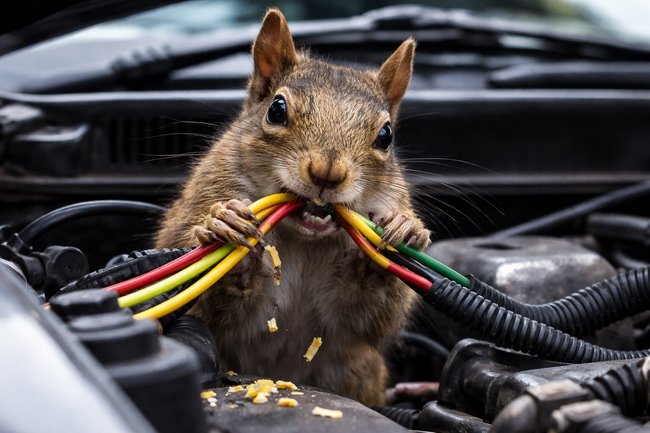
One morning, we walked out to the truck and it just wouldn’t start. Nothing. So we had it towed to the mechanic. After looking it over, he said a critter had chewed through some of the car wires.
Repair bill: $175.
Annoying, but okay. We paid it and moved on.
The very next day, the truck didn’t want to start again. It was hit-or-miss — sometimes it would turn over, sometimes it wouldn’t. My husband decided to try to get it back to the mechanic while it would start. He made it there, but the mechanic told him it was a wonder he made it over there. More chewed wiring. More money!
Repair bill: $115.
At that point, we started asking questions. What do you do about something like this? The mechanic suggested putting mothballs in the engine compartment and wrapping the wires with something harder for animals to chew through. That helped some, but it still felt like a band-aid solution.
So we talked to a neighbor, who suggested another repair shop. We went there to see what they thought — and while we were standing at the counter, an older man who was also waiting overheard us talking.
He said, very casually,
“Oh, that’s because they’re making wire insulation out of soybeans now.”
That stopped us cold.
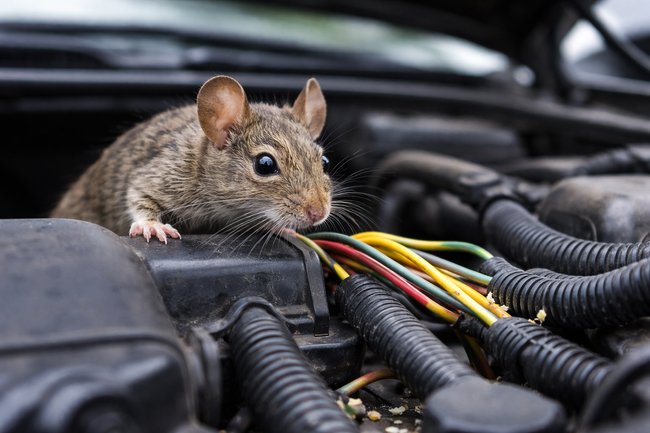
He explained that many newer vehicles use soy-based or plant-based wire insulation as a “greener” alternative. And to squirrels, mice, and other critters? That insulation smells like food.
In other words, we weren’t just unlucky — we were unknowingly providing a smorgasbord.
That second mechanic installed new car wires. Then we wrapped the wiring with double-sided tape – sprinkling cayenne pepper on the loops – then we taped moth balls to the engine. My grandson said the vehicle smelled like ‘old people’….(the moth balls). But that’s a small price to pay to keep these pesky critters from sending us to the poor house.
Repair bill: $125.
Since then? No problems.
But by the time it was all said and done, we had spent over $400 learning a lesson we didn’t even know we needed to learn.
What still bothers me is this:
Why hadn’t we ever heard of this? What idiot ever thought this was a good idea? And how did making wire insulation out of something animals want to eat solve any problem at all?
This is one of those modern changes that sounds good on paper — until you’re standing in a repair shop wondering why your truck keeps failing for no obvious reason.
And it’s exactly the kind of thing make-do living prepares you for: not panic, not hoarding — just knowing what’s changed, so you’re not blindsided when it costs real money.
Here’s the thing — this isn’t an isolated problem.
Once we started paying attention, we realized this was just one example of how modern materials, meant to be “better,” sometimes create entirely new problems no one warns you about. From plastic parts replacing metal to “efficient” systems that fail in unexpected ways, many everyday products now come with hidden costs. The wise person learns how to repair items themselves – it’s the make-do way of living.
And if you don’t know what to watch for, you often don’t find out until something breaks — or stops working altogether. Be sure to read my article on ‘Make-Do Living Essentials’.

2. Low-Flow Toilets: Saving Water, Spending Money
Low-flow toilets were designed to conserve water—but in many homes, they’ve introduced new headaches.
Common complaints include:
-
Frequent clogs
-
Double flushing
-
Stress on older plumbing systems
Over time, this can lead to repeated service calls and unnecessary repairs.
Make-Do Awareness:
-
Adjust flushing habits
-
Avoid “flushable” wipes (they aren’t)
-
Know when older plumbing and newer fixtures don’t mix well
Preparedness isn’t always about buying more—it’s about understanding how systems interact.
3. Plastic Parts Replacing Metal (and Failing Faster)
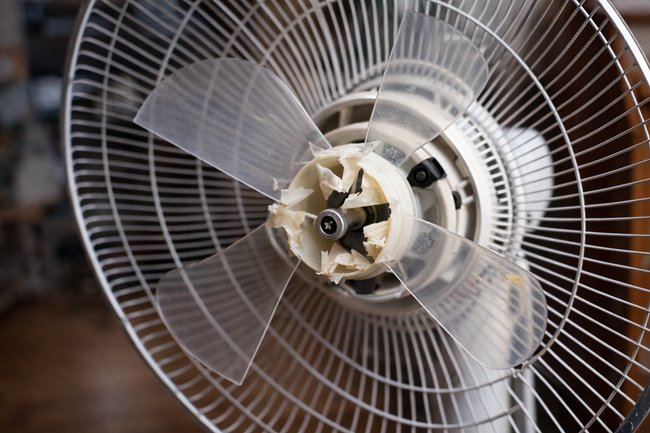
Open an appliance today and you’ll often find plastic gears and connectors where metal once existed.
Why?
-
Lower manufacturing costs
-
Lighter weight
-
Faster production
The trade-off is durability.
Plastic parts wear out faster, crack under heat, and often can’t be repaired—only replaced.
Make-Do Tip:
-
Learn which items are worth repairing and which aren’t
-
Keep small backup tools and parts on hand
-
Don’t assume “new” means “long-lasting”
4. High-Efficiency Washing Machines & Detergent Buildup
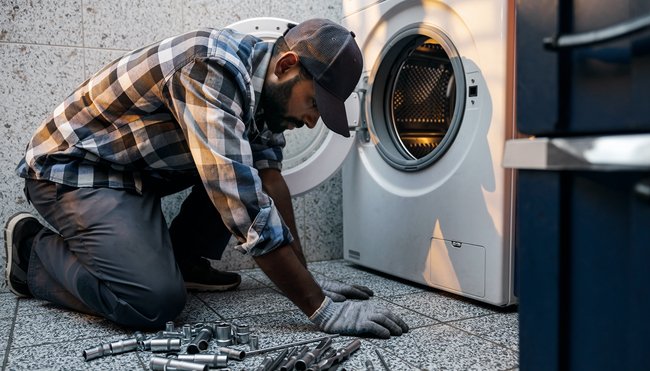
Modern washing machines use less water—but many people still use detergent like it’s 1995.
The result?
-
Soap buildup
-
Moldy seals
-
Musty odors
-
Shortened machine life
Simple Make-Do Fixes:
-
Use less detergent (usually half)
-
Run occasional vinegar cleaning cycles
-
Leave the door open to dry after use
Small habits make a big difference.
5. Smart Technology That Isn’t So Smart When It Fails
Smart thermostats, Wi-Fi garage doors, app-controlled appliances—they’re convenient… until they aren’t.
Problems arise when:
-
Internet goes down
-
Apps stop updating
-
Devices lose compatibility
-
Manual overrides don’t exist
When something fails, repairs are often expensive and specialized.
Make-Do Thinking:
-
Know how to operate systems manually
-
Keep basic alternatives available
-
Don’t rely on a single digital solution
This is especially important for seniors and anyone living alone.
6. “Lifetime” Roofing, Siding, and Windows
The word lifetime has changed meanings.
Many modern building materials:
-
Look great initially
-
Carry warranties with fine print
-
Fail due to seal issues, moisture trapping, or UV breakdown
Fogged windows, warped siding, and premature roof wear are more common than most homeowners expect.
Make-Do Awareness:
-
Regular inspections matter
-
Ventilation matters
-
Marketing language ≠ performance
Learning to Thrive With What You Have on Hand is a goal worth working toward!
7. Biodegradable Products Used in the Wrong Places
Biodegradable trash bags, packaging, and containers are great—when used correctly.
But heat, moisture, and storage conditions can cause:
-
Bags breaking prematurely
-
Leaks
-
Messy cleanups
-
Property damage
Green products still require practical thinking.
Why This Matters
Make-do living isn’t about expecting the worst. It’s about being observant, adapting to change, and learning from lived experience.
The world didn’t get simpler—it got more complicated. Knowing what’s changed helps you:
-
Avoid unnecessary expenses
-
Extend the life of what you own
-
Make informed decisions
-
Stay calm when something goes wrong
Preparedness isn’t panic. It’s wisdom.
Most of these issues don’t show up overnight. They appear quietly, slowly, and inconveniently—usually at the worst possible time. It’s good to remember that ‘buying supplies’ isn’t the same thing a ‘being prepared’.
The good news? Awareness goes a long way.
By understanding how modern materials behave—and where they fall short—you give yourself options. And options are exactly what make-do living is all about. As always, please contact me with any questions or comments.